
Flying ants are common insects you might see in your house or outside. They often appear in large groups. Many people wonder, do flying ants bite? This article will explain everything about flying ants and their bites.
Credit: www.mandauspestsolutions.com
What Are Flying Ants?
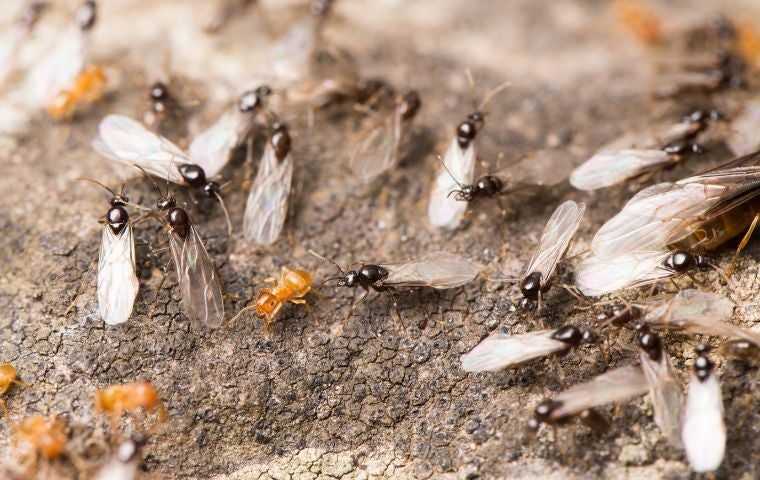
Flying ants are ants with wings. They look different from regular ants. These ants are usually male ants or queen ants. Their main job is to fly out and start new ant colonies.
Flying ants are not a different kind of ant. They are regular ants in a special stage of their life. This stage is called the “nuptial flight.” It happens once a year or in some seasons.
Why Do Flying Ants Have Wings?
Wings help these ants fly. They fly to find a mate. After mating, queen ants lose their wings. Then, they start a new colony on the ground.
The wings are only for a short time. Males die soon after flying. Queens stay to build the colony. So, wings are for flying and finding a mate only.
Do Flying Ants Bite?
Many people ask, do flying ants bite? The simple answer is yes, some flying ants can bite. But it depends on the type of ant.
Most flying ants do not bite people. They are busy flying and mating. But some ants can bite if they feel threatened.
Which Flying Ants Bite?
- Carpenter ants: These ants can bite. Their bite can hurt but is not very dangerous.
- Fire ants: Fire ants can sting and bite. Their bite can be painful and cause swelling.
- Other ants: Most other flying ants do not bite humans.
If you see flying ants, try not to touch them. They usually do not want to bite unless you disturb them.
What Does a Flying Ant Bite Feel Like?
Flying ant bites can feel different. Some bites cause little pain. Others might sting or itch. It depends on the ant species.
| Ant Type | Bite Sensation | Effect on Skin |
|---|---|---|
| Carpenter Ant | Sharp pinch | Redness and small swelling |
| Fire Ant | Burning sting | Swelling, redness, and blisters |
| Other Flying Ants | Usually no bite | No effect or mild irritation |
If you get bitten, wash the area with soap and water. Use an ice pack to reduce swelling. If the bite hurts or swells a lot, see a doctor.
Why Do Flying Ants Bite?
Flying ants bite mainly to protect themselves. They do not want to be caught or hurt. When they feel danger, they may bite to defend.
Since flying ants are busy during their flight, they usually ignore humans. But if you catch or squeeze them, they may bite.
How to Tell Flying Ants from Termites
Sometimes people confuse flying ants with termites. Both have wings and fly. But they are very different insects.
- Flying ants have a narrow waist and bent antennae.
- Termites have a straight waist and straight antennae.
- Ant wings are different sizes; termites have equal-sized wings.
This helps you know if you are dealing with ants or termites.
How to Avoid Flying Ant Bites
You can follow simple steps to avoid bites from flying ants. Here are some tips:
- Do not touch or squeeze flying ants.
- Wear gloves if you work in the garden.
- Keep windows and doors closed during flying ant season.
- Use insect screens to stop ants entering your home.
- Clean food spills to avoid attracting ants.
Taking these steps lowers your chance of being bitten.
What Should You Do If You Are Bitten?
If a flying ant bites you, do not panic. Most bites are not dangerous. Follow these steps:
- Clean the bite with soap and water.
- Apply ice or a cold pack to reduce swelling.
- Use an anti-itch cream if you feel itching.
- Avoid scratching the bite area.
- Watch for signs of allergic reaction, like difficulty breathing.
If symptoms get worse, see a doctor immediately.
Interesting Facts About Flying Ants
Flying ants are fascinating insects. Here are some cool facts:
- Flying ants appear during warm and humid days.
- They only fly for a short time, usually a few hours.
- Flying ants help start new ant colonies.
- Not all ants have wings; only certain ones do.
- Flying ants are part of nature’s recycling system.

Credit: www.youtube.com
Are Flying Ants Dangerous?
Flying ants are not dangerous to most people. They rarely bite. Their bites are usually mild.
However, some people can have allergic reactions. If you know you are allergic to insect bites, be careful around flying ants.
In general, flying ants do not cause harm. They are part of the environment and help keep nature balanced.
How to Identify Flying Ants in Your Home
You may see flying ants indoors during their flight season. Here are signs of flying ants inside your home:
- Small ants with wings near windows and doors.
- Ants flying around lights or ceilings.
- Visible ant trails on walls or floors.
- Small piles of sawdust if carpenter ants are present.
If you see these signs, it is best to keep your home clean. Seal cracks and holes where ants can enter.
Frequently Asked Questions
Do Flying Ants Bite Humans?
Flying ants can bite, but their bites are usually mild and not harmful. Most bites cause minor irritation or itching.
Why Do Flying Ants Bite?
Flying ants bite to defend themselves or their colony. Bites happen when they feel threatened or disturbed.
Are Flying Ant Bites Painful?
Flying ant bites cause slight pain or a mild sting. The discomfort usually lasts only a short time.
Can Flying Ants Cause Allergic Reactions?
Some people may have mild allergic reactions to flying ant bites. Severe allergies are rare but possible.
Conclusion
So, do flying ants bite? The answer is yes, but rarely. Most flying ants do not bite people. Some types, like carpenter ants or fire ants, can bite or sting.
Flying ants only bite to protect themselves. They are busy flying and mating most of the time. You can avoid bites by not touching flying ants and keeping your home clean.
If bitten, clean the area and watch for any bad reactions. Flying ants are a normal part of nature. They are not a big threat to humans.
Next time you see flying ants, you will know what to expect. No need to worry. Just watch and enjoy nature’s little flyers.