
Bed bugs are tiny insects that can cause big problems in homes. They hide in beds, furniture, and cracks. Many people worry about bed bug eggs because they can hatch and cause more bugs. But how long does it take for bed bug eggs to hatch? This article will explain everything in simple words.
What Are Bed Bug Eggs?
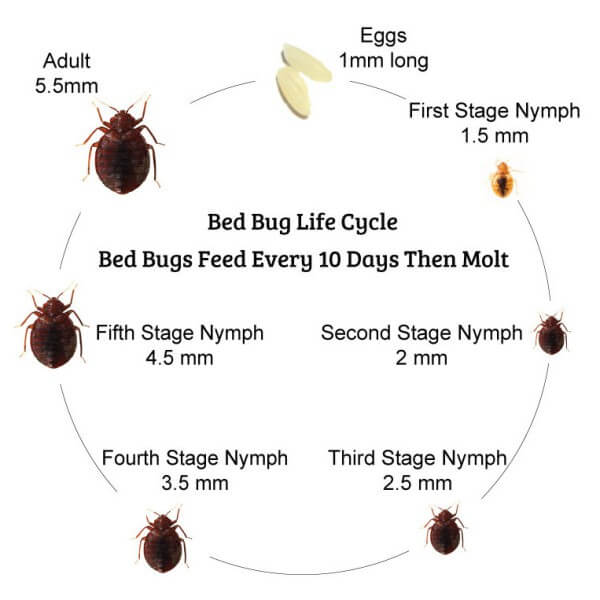
Bed bug eggs are very small and white. They look like tiny grains of rice. The female bed bug lays these eggs in hidden places. Usually, she lays them in groups. Each group can have 10 to 50 eggs.
These eggs stick to surfaces like mattress seams, furniture joints, or cracks in walls. Because they are so small and white, they are hard to see. This makes finding bed bug eggs difficult.
How Long Does It Take for Bed Bug Eggs to Hatch?
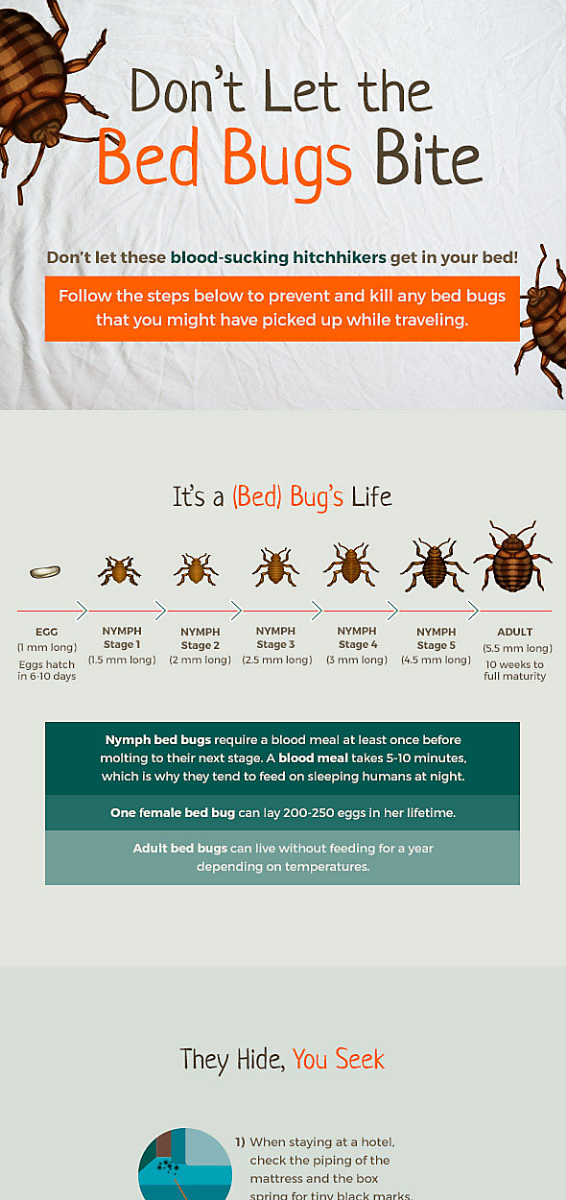
Bed bug eggs usually take 6 to 10 days to hatch. This time can change a little depending on the temperature and humidity in the room.
In warmer places, eggs hatch faster. In cooler places, it takes longer. If the room is very cold, the eggs might not hatch at all.
Once the eggs hatch, tiny baby bed bugs, called nymphs, come out. They are very small and pale. These nymphs will grow and need to find blood to survive.
What Affects the Egg Hatching Time?
Several things can change how fast bed bug eggs hatch. Here are the main factors:
- Temperature: Warm rooms speed up hatching. Cold rooms slow it down.
- Humidity: Bed bugs like humid places. Dry air can slow hatching.
- Bed Bug Species: Different types of bed bugs may have different hatch times.
- Egg Condition: Old or damaged eggs may not hatch at all.
Keeping your home cool and dry may help slow bed bug growth. But it will not stop them completely.
What Happens After Bed Bug Eggs Hatch?
After hatching, baby bed bugs go through five growth stages. Each stage is called an instar. To move to the next stage, nymphs must feed on blood.
Without blood, they cannot grow. This is why bed bugs bite people. They need blood to survive and grow.
It takes about five weeks for a nymph to become an adult bed bug. Adults can lay hundreds of eggs in their lifetime.
How to Spot Bed Bug Eggs?
Finding bed bug eggs is hard because they are tiny. Here are some tips to find them:
- Look in mattress seams and folds.
- Check cracks in bed frames and furniture.
- Use a flashlight to see dark corners well.
- Look for sticky spots where eggs stick.
If you see small white dots that do not brush off easily, they might be eggs.
Why Is It Important to Know Egg Hatching Time?
Knowing how long bed bug eggs take to hatch helps you fight them better. If you treat your home with chemicals or heat, you must wait for eggs to hatch first.
Some treatments only kill adult bugs. Eggs may survive and hatch later. This can cause the problem to come back.
So, after treatment, you should check again after 10 days. This is when new bugs may appear from hatched eggs.
How to Get Rid of Bed Bug Eggs?
Getting rid of bed bug eggs is not easy. Here are some ways to kill or remove eggs:
- Heat Treatment: Bed bug eggs die at temperatures above 120°F (49°C). Heating your home or mattress can kill eggs.
- Insecticides: Some sprays kill eggs, but not all. You must use products made for eggs.
- Vacuuming: Vacuum cracks and seams to remove eggs physically.
- Steam Cleaning: Steam machines can kill eggs with hot steam.
- Laundry: Washing bed sheets and clothes in hot water kills eggs.
Using several methods together works best. This will stop eggs from hatching and new bugs from growing.
How Fast Do Bed Bug Eggs Hatch Compared to Other Bugs?
Bed bug eggs hatch faster than some insects but slower than others. Here is a quick comparison:
| Insect | Egg Hatch Time |
|---|---|
| Bed Bugs | 6 to 10 days |
| House Flies | 8 to 24 hours |
| Ants | 7 to 30 days |
| Cockroaches | 1 to 2 months |
Bed bug eggs hatch in a medium time frame. Not too fast, not too slow.
Credit: www.bedbugbarrier.com.au
Signs That Bed Bug Eggs May Be Present
Sometimes, you cannot see eggs but can spot signs of them. These signs include:
- Small dark spots on bed sheets (bug droppings)
- Bed bug skins (molted shells)
- Musty or sweet smell in the room
- Bites on your skin, especially after sleeping
If you notice these signs, check for eggs nearby.
Preventing Bed Bug Eggs from Hatching
Preventing bed bug eggs from hatching is important to stop infestations. Here are some tips:
- Keep your home clean and tidy.
- Avoid bringing second-hand furniture without checking.
- Use bed bug-proof mattress covers.
- Inspect hotel rooms when traveling.
- Seal cracks and holes in walls and furniture.
These steps reduce chances of bed bugs laying eggs in your home.
Credit: www.saferbrand.com
Summary
Bed bug eggs take about 6 to 10 days to hatch. Temperature and humidity change this time. Warmer and humid places make eggs hatch faster.
After hatching, baby bed bugs need blood to grow. They pass through five stages before becoming adults. Adults lay many eggs, causing more bugs.
Finding eggs is hard but important. Use heat, insecticides, vacuum, and laundry to kill eggs. Check your home regularly to stop bed bugs early.
Understanding how long eggs take to hatch helps control bed bugs better. Act quickly and use several methods to fight them.