
Bed bugs are tiny insects that can make your home uncomfortable. They hide in beds, sofas, and cracks. Many people worry about bed bugs because they bite. But how do you know if you have bed bugs? One way is to look for their eggs.
In this article, we will explain what a bed bug egg looks like. We will also tell you where to find them. This will help you spot bed bugs early. Catching them early makes it easier to get rid of them.
Why Are Bed Bug Eggs Important?
Bed bug eggs are the first stage of a bed bug’s life. They hatch into baby bugs called nymphs. These nymphs grow into adults that bite and spread. If you find eggs, it means bed bugs are nearby.
Finding eggs helps you start cleaning and treating your home sooner. The faster you act, the less bed bugs you will have later.
Size of Bed Bug Eggs
Bed bug eggs are very small. They are about 1 millimeter long. That is about the size of a pinhead. You need good light and close attention to see them.
Here is a quick size comparison:
| Object | Size |
|---|---|
| Bed bug egg | 1 millimeter (mm) |
| Pinhead | About 1 mm |
| Bed bug adult | 4 to 5 mm |
Color of Bed Bug Eggs
Bed bug eggs are usually white or off-white. Sometimes they look shiny. This shine comes from the eggshell. When eggs are fresh, they may look clear or pearly.
After a few days, eggs may look duller or more yellow. This happens as the baby bug inside grows.
Credit: pestline.ca
Shape of Bed Bug Eggs
Bed bug eggs are shaped like tiny grains of rice. They are oval or slightly elongated. The ends may be a bit pointed or rounded.
The eggs are sticky. This helps them stick to surfaces. Bed bugs do not want their eggs to fall off.
Where Do Bed Bugs Lay Their Eggs?
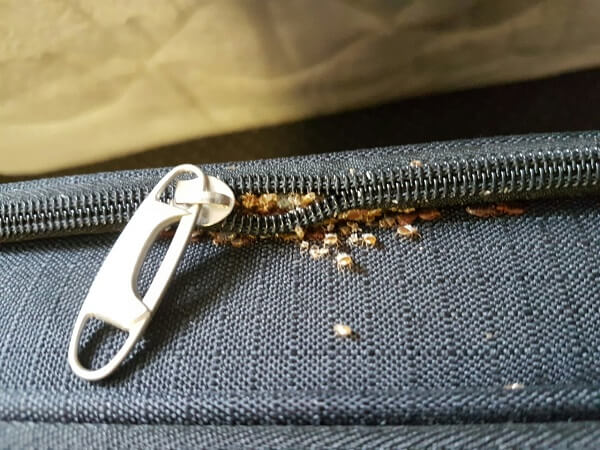
Bed bugs like to hide in dark, hidden places. They lay their eggs close to where people sleep. Here are common places to look:
- In mattress seams and folds
- Under the edges of box springs
- In cracks and crevices of bed frames
- Behind headboards
- Inside furniture joints
- In the folds of curtains
- Behind baseboards or wallpaper edges
Because the eggs are sticky, they stay in one place. Finding these spots is important to find eggs.
How to Spot Bed Bug Eggs
Spotting bed bug eggs can be hard. They are small and white, like dust or tiny seeds. Here are some tips to help you find them:
- Use a flashlight to see better in dark places.
- Look carefully in mattress seams and folds.
- Use a magnifying glass for a closer look.
- Check cracks and crevices with a thin tool or brush.
- Look for clusters of eggs, not just single ones.
Eggs often appear in groups of 10 to 50. Seeing many white dots in one spot is a strong sign.
Difference Between Bed Bug Eggs and Other Things
Sometimes, bed bug eggs look like other things. You might mistake them for dust, paint flakes, or lint. Here is how to tell the difference:
| Item | Looks Like Bed Bug Eggs? | Key Differences |
|---|---|---|
| Dust | Sometimes | Dust moves easily and is not sticky |
| Paint flakes | No | Flakes are larger and hard, not sticky |
| Lint | No | Lint is fibrous, not oval shaped |
| Bed bug eggs | Yes | Small, white, sticky, oval shaped |
What Happens After Bed Bug Eggs Hatch?
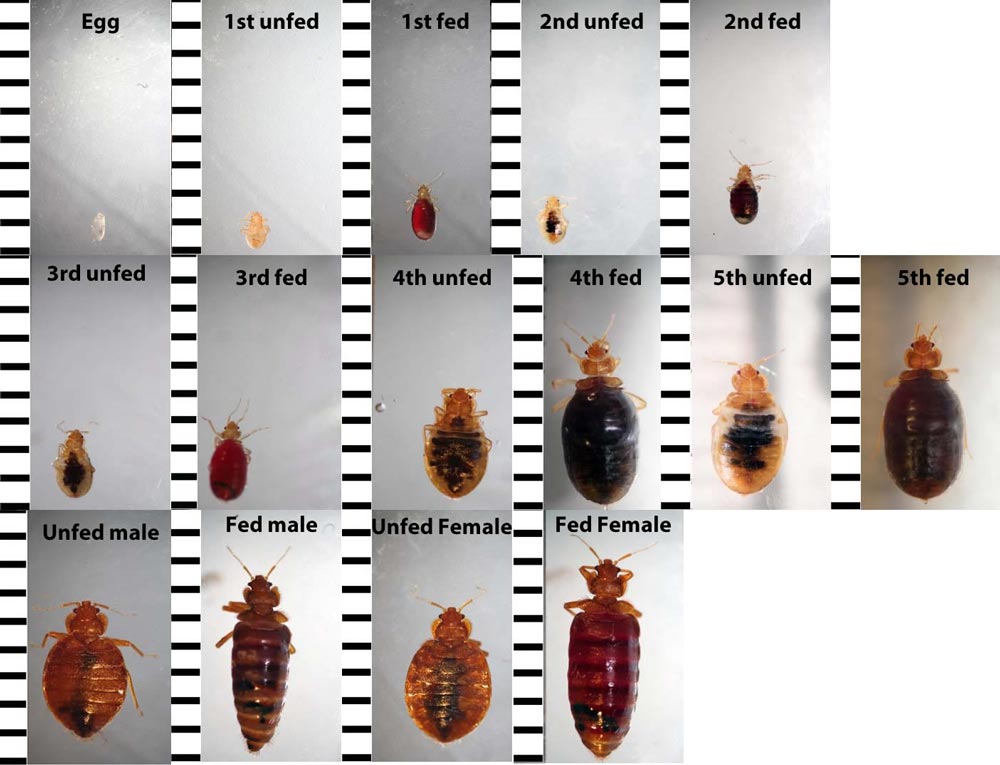
Bed bug eggs hatch in about 6 to 10 days. Baby bed bugs are called nymphs. They look like tiny adults but are lighter in color.
Nymphs need to feed on blood to grow. They go through five stages before becoming adults. Each stage needs a blood meal to move to the next.
Adults lay more eggs, and the cycle continues. This is why bed bug problems can grow fast.
How to Prevent Bed Bug Eggs in Your Home
Stopping bed bugs from laying eggs helps keep your home safe. Here are simple steps you can take:
- Check second-hand furniture before bringing it home.
- Keep your bed away from walls and furniture.
- Use protective covers on mattresses and box springs.
- Vacuum your home regularly, especially around beds.
- Seal cracks and crevices where bugs can hide.
- Wash bed sheets and clothes often in hot water.
What to Do If You Find Bed Bug Eggs?
Finding bed bug eggs means you must act quickly. Here is what to do:
- Clean and vacuum the area thoroughly.
- Use a steam cleaner on mattresses and furniture.
- Wash bedding and clothes in hot water and dry on high heat.
- Consider using insecticides made for bed bugs.
- If the problem is large, call a pest control professional.
Do not ignore eggs. They will hatch and cause more bugs.
Credit: www.fantasticpestcontrol.co.uk
Summary: What Does a Bed Bug Egg Look Like?
Bed bug eggs are tiny, white, and oval-shaped. They are about 1 millimeter long. Eggs are sticky and often found in groups. They hide in mattress seams, furniture cracks, and other hidden spots.
Spotting eggs early helps stop bed bugs from spreading. Use a flashlight and magnifying glass to look carefully. Clean and treat your home if you find eggs.
Remember, bed bugs are hard to see, but their eggs give clues. Checking your sleeping areas often can keep your home safe and comfortable.