
Are you tired of waking up with itchy bites and restless nights? Bed bugs can turn your home into a nightmare if you don’t act fast.
But don’t worry—getting rid of these pests for good is possible. You’ll discover simple, effective steps to eliminate bed bugs permanently. Keep reading, and take control of your space so you can sleep peacefully again.

Credit: presidiopestmanagement.com
Identifying Bed Bugs
Identifying bed bugs is the first step to get rid of them for good. These tiny pests hide well and can be hard to spot. Knowing what to look for helps catch an infestation early. This section explains how to find signs of bed bugs, where they hide, and how they behave.
Common Signs Of Infestation
Small reddish-brown spots on sheets or mattresses are a key sign. These spots come from bed bug blood or droppings. Bites on your skin, often in a line or cluster, can show their presence. A musty, sweet smell may also come from a large infestation. Seeing live bugs, especially at night, confirms the problem.
Where Bed Bugs Hide
Bed bugs hide in cracks and crevices near where people sleep. Check mattress seams, bed frames, and headboards carefully. They also hide under carpets, behind wallpaper, and inside furniture. These pests fit into tiny spaces, about the size of an apple seed. Look closely in dark, tight spots for signs.
Life Cycle And Behavior
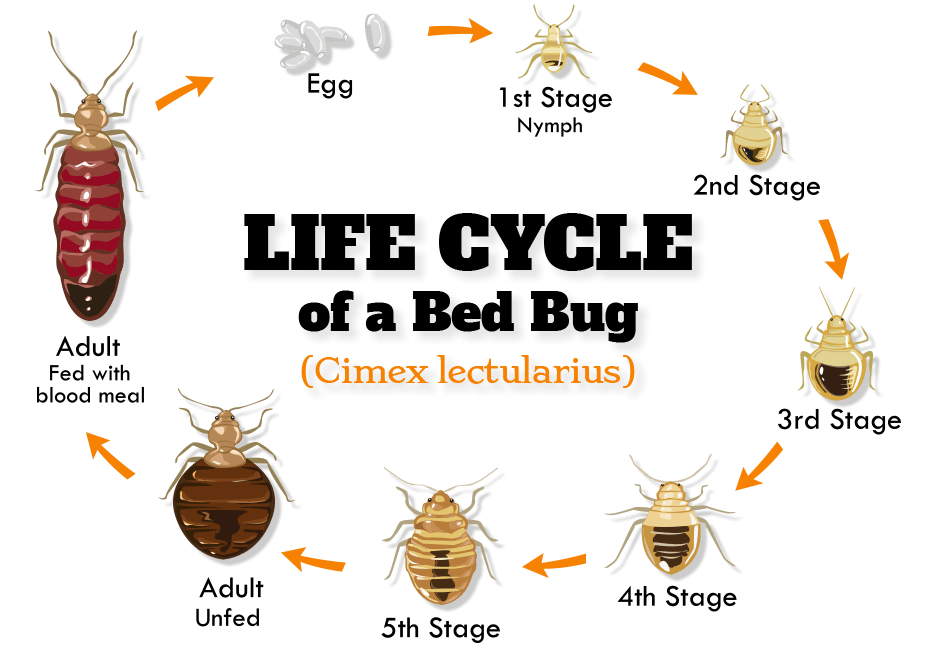
Bed bugs lay eggs that hatch in about a week. Young bugs, called nymphs, need blood to grow. They shed their skin five times before becoming adults. Adults can live many months without food. Bed bugs come out mostly at night to feed on blood. Understanding their life cycle helps plan effective control steps.
Credit: integrumservices.co.uk
Preventing Bed Bug Infestations
Preventing bed bug infestations is the best way to protect your home. These tiny pests spread fast and cause much trouble. Taking simple steps can keep them away. Stay alert and act early to avoid problems.
Avoiding Common Entry Points
Bed bugs enter through small cracks and holes. Check walls, baseboards, and furniture for gaps. Seal these openings to block their path. Inspect used furniture carefully before bringing it inside. Keep windows and doors closed or screened.
Travel Tips To Stay Bed Bug Free
Bed bugs hide in hotel rooms and luggage. Inspect the mattress and headboard when traveling. Keep your suitcase off the floor and bed. Use plastic bags to store clothes. Wash and dry all clothes on high heat after trips.
Household Habits To Reduce Risk
Regular cleaning helps reduce bed bug chances. Vacuum floors, carpets, and furniture often. Avoid clutter where bugs can hide. Wash bedding and curtains regularly in hot water. Keep your home tidy and well-maintained.
Effective Bed Bug Removal Methods
Getting rid of bed bugs needs strong and effective methods. These pests hide well and multiply fast. Simple cleaning is not enough to remove them. Use proven treatments to kill bed bugs and stop their return. Choose a method that fits your situation and budget. Here are some common ways to remove bed bugs completely.
Chemical Treatments And Pesticides
Chemical treatments use insecticides to kill bed bugs on contact. Professionals apply sprays or dusts in cracks, furniture, and mattresses. These products work fast and reach hidden bugs. Follow all safety instructions carefully. Some pesticides may not be safe for children or pets. Repeat treatments may be needed to kill new bugs. Choose EPA-approved products for better results. Chemicals can be strong but effective against stubborn infestations.
Heat And Cold Treatments
Bed bugs cannot survive extreme temperatures. Heat treatment raises room temperature to about 120°F (49°C) for several hours. This kills all life stages of bed bugs. Professionals use special heaters and fans for this method. Cold treatment uses freezing temperatures below 0°F (-18°C). Items like clothes or bedding can be sealed in bags and frozen. Both heat and cold treatments are chemical-free and safe. These methods require precise temperature control to work well.
Natural And Diy Solutions
Natural methods use safe ingredients to repel or kill bed bugs. Diatomaceous earth is a popular powder that damages bug shells. Essential oils like tea tree or lavender can repel bugs but may not kill them. Vacuuming regularly removes bugs and eggs from surfaces. Washing bedding in hot water kills bugs on fabric. These DIY solutions help control small infestations. They work best combined with other methods for full removal.
Preparing Your Home For Treatment
Preparing your home for bed bug treatment is crucial for success. Proper preparation helps the treatment reach all hiding spots. It also prevents bed bugs from spreading to other areas. Taking time to prepare your space makes the process smoother and more effective.
Cleaning And Decluttering
Start by removing clutter from floors and furniture. Clutter hides bed bugs and blocks treatment. Clean all surfaces with a vacuum. Pay close attention to cracks and corners. After vacuuming, dispose of the vacuum bag in a sealed plastic bag. Wash all bedding, curtains, and clothes in hot water. Dry them on high heat to kill any bugs. Clean and declutter to give treatments better access.
Protecting Furniture And Bedding
Cover mattresses and box springs with special bed bug-proof encasements. These covers trap bugs inside and stop new ones from entering. Move furniture away from walls to expose hiding spots. Seal cracks and crevices in furniture with caulk. Remove items from under beds and sofas. Protect your belongings to improve treatment results and stop reinfestation.
Coordinating With Professionals
Work closely with pest control experts. Follow their instructions carefully before treatment. Inform them about all cleaning and protective steps you took. Ask about any items you should remove or cover. Schedule treatment when you can leave the house for a few hours. Clear communication helps professionals target bed bugs effectively. Teamwork speeds up the elimination process.
Monitoring And Follow-up
Monitoring and follow-up are key steps to remove bed bugs for good. After treatment, these steps help catch any bugs that remain. Staying alert can prevent a new infestation from starting again. Keep a close eye on your home and act quickly if you see signs of bed bugs.
Using Bed Bug Detectors
Bed bug detectors catch bugs before you see bites or bugs. Place them near beds, sofas, and other resting spots. These devices work day and night to trap bed bugs. Check the detectors often to spot bugs early. Early detection saves time and effort in treatment.
Regular Inspections
Inspect your home regularly, especially bedrooms and furniture. Look for small brown or red spots on sheets and mattresses. Check cracks and crevices in bed frames and walls. Use a flashlight to see dark corners better. Consistent inspections help find bed bugs before they spread.
When To Call Exterminators
Call professionals if bed bugs keep coming back or multiply. Experts have tools and knowledge to remove bugs completely. They can treat hidden spots you might miss. Don’t wait too long to get expert help. Early action stops bed bugs from taking over your home.
Credit: paidepo.com
Long-term Bed Bug Control
Keeping bed bugs away for good takes constant care. Long-term control means regular actions and smart habits. This helps stop bed bugs from coming back and spreading again. Focus on a clean home, strong prevention steps, and teaching others about bed bugs. These steps work together to protect your space and health.
Maintaining A Bed Bug-free Environment
Clean your home often. Vacuum floors, furniture, and corners well. Wash bedding and curtains in hot water. Check mattresses and box springs for signs of bugs. Use protective covers on beds. Remove clutter where bugs hide. Keep furniture away from walls. These habits lower places for bed bugs to live.
Ongoing Prevention Strategies
Inspect secondhand furniture before bringing it inside. Use bed bug interceptors under bed legs. Seal cracks and holes in walls and floors. Monitor your home regularly for any bugs or bites. Avoid placing bags or clothes on beds while traveling. Store luggage in sealed containers after trips. These steps help stop bed bugs before they start.
Educating Family And Visitors
Talk to family about bed bug risks and signs. Teach them how to spot bites and bugs. Ask visitors to check their belongings before entering. Share prevention tips with friends and neighbors. Awareness helps everyone avoid bringing bed bugs inside. Together, you can keep your home safer and cleaner.
Frequently Asked Questions
How Can I Identify Bed Bug Infestations Early?
Look for small reddish-brown bugs, shed skins, and dark spots on bedding. Check mattress seams and furniture cracks regularly for signs.
What Are The Most Effective Treatments For Bed Bugs?
Heat treatment, insecticides, and vacuuming are effective. Professional pest control ensures thorough elimination and reduces the chance of return.
Can I Get Rid Of Bed Bugs Without Professional Help?
Yes, with patience. Use hot washing, vacuuming, and sealing cracks. However, severe infestations often need professional intervention.
How Long Do Bed Bugs Survive Without A Host?
Bed bugs can survive up to six months without feeding. They hide in cracks and come out when a host is present.
Conclusion
Getting rid of bed bugs takes time and effort. Clean your home well and check all furniture. Use treatments carefully and follow all instructions. Repeat the process to catch any hidden bugs. Stay patient and watch your home closely. A bed bug-free home is possible with care.
Keep your space tidy to stop them from returning. Small steps make a big difference. You can live comfortably without bed bugs.