
Is your cat scratching more than usual? You might be wondering, “How to know if my cat has fleas?”
Fleas are tiny but can cause big problems for your furry friend. If left unchecked, they can lead to discomfort, itching, and even health issues. You’ll discover simple signs to spot fleas early, so you can act quickly and keep your cat happy and healthy.
Keep reading to learn exactly what to look for and how to protect your beloved pet.
Common Flea Signs
Fleas cause many problems for cats. They make your cat feel uncomfortable and itchy. Knowing the common signs helps you find fleas early. Catching fleas quickly stops bigger issues. Watch your cat carefully for any changes in behavior or skin condition.
Frequent Scratching
One clear sign of fleas is frequent scratching. Your cat may scratch more than usual. The skin feels itchy because fleas bite and irritate it. Scratching can cause redness or small wounds. Pay attention if your cat scratches certain spots often.
Visible Flea Dirt
Flea dirt looks like tiny black specks on your cat’s fur. It is flea waste and can be seen near the neck or tail. You can check by rubbing a wet cloth on your cat’s fur. If the black specks turn reddish on the cloth, it is flea dirt mixed with blood.
Restless Behavior
Fleas make your cat feel uneasy and restless. Your cat may move around more or seem nervous. Restlessness happens because fleas cause constant itching and discomfort. Watch for any changes in your cat’s usual calm behavior. Restlessness is a subtle but important flea sign.
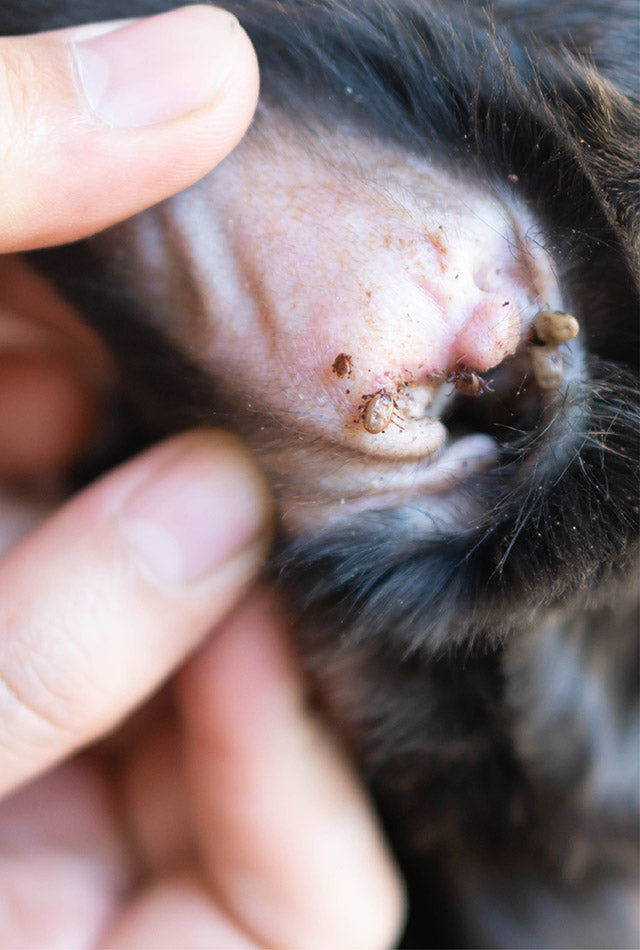
Credit: petarmor.com
Checking Your Cat’s Fur
Checking your cat’s fur is a simple way to find fleas early. Fleas hide close to the skin in thick fur. A careful check helps catch them before they multiply. Use good light and take your time. Your cat may move, so be gentle and patient. This process keeps your pet healthy and itch-free.
Spotting Fleas On Fur
Fleas are tiny, about 1 to 3 mm long. They move fast and are dark brown or black. Look for small, jumping insects in your cat’s fur. Fleas tend to gather near the neck, tail base, and behind ears. Use your fingers to part the fur and scan the skin. Fleas may be hard to see without close inspection.
Inspecting Skin For Bites
Flea bites cause small red spots on your cat’s skin. Check for irritated or swollen areas. Cats often scratch or lick these spots a lot. Bites usually appear on the belly, neck, and legs. Watch for tiny scabs or hair loss too. These signs can mean fleas are present even if you don’t see them.
Using A Flea Comb
A flea comb helps catch fleas and flea dirt. Use one with very fine teeth close together. Comb your cat’s fur slowly, starting at the head and moving back. After each comb, check the teeth for black specks. These specks are flea dirt, which looks like tiny black pepper grains. Dip the comb in soapy water to kill caught fleas.
Behavioral Changes
Cats with fleas often show changes in their behavior. These changes help you notice a flea problem early. Watch your cat closely for signs. Behavioral changes may be small at first but become clear over time.
Increased Grooming
Your cat may lick or scratch more than usual. Fleas cause itching and discomfort. Cats try to soothe their skin by grooming. You might see your cat biting at certain spots.
Look for patches of fur that are thinner. Grooming more than normal can cause bald spots. This is a common sign of flea irritation.
Irritability And Agitation
A cat with fleas may seem restless or nervous. Flea bites cause pain and itching. This discomfort can make your cat irritable. Your cat might avoid being touched or held.
Watch for sudden mood changes. Your usually calm cat might hiss or swat more often. These behaviors can mean your cat is in distress.
Loss Of Appetite
Fleas can cause your cat to eat less. Constant itching and biting take away energy. Your cat may feel too uncomfortable to enjoy food. A drop in appetite is a subtle but important sign.
Check for weight loss or less interest in meals. These changes can happen if fleas are present for a while.
Flea Allergy Symptoms
Cats with flea allergies react strongly to flea bites. Their skin becomes very sensitive and itchy. This condition is called flea allergy dermatitis. It causes different signs that you can spot at home.
Recognizing flea allergy symptoms helps protect your cat’s health. Watch for changes in your cat’s skin and fur. Early detection can ease your cat’s discomfort quickly.
Red And Inflamed Skin
Redness shows irritation on your cat’s skin. The skin may look swollen or warm to touch. This happens because fleas inject saliva that causes an allergic reaction. Red and inflamed areas are often where fleas bite most.
Hair Loss Patterns
Hair loss is common in cats with flea allergies. Cats scratch or bite their fur due to itching. This creates patches where fur is missing. The hair loss usually appears around the neck, back, and tail base.
Scabs And Hotspots
Scabs form from constant scratching and biting. Hotspots are red, moist, and painful areas on the skin. These spots can grow quickly if not treated. They cause more discomfort and need veterinary care.
Home Checks For Fleas
Checking your home for fleas helps catch the problem early. Fleas can hide in places your cat visits daily. Small signs can reveal their presence. Regular home checks keep your cat safe and comfortable.
Inspecting Bedding And Furniture
Look closely at your cat’s bedding and favorite furniture spots. Fleas often lay eggs there. Check for tiny black specks or flea dirt. Flea dirt looks like small black pepper grains. Use a flashlight to see better in dark areas. If you find dirt, fleas may be nearby.
Using A White Sheet Test
Spread a white sheet on the floor where your cat rests. Let your cat walk or lie on the sheet. Fleas or flea dirt will fall onto the sheet. Flea dirt appears as small dark spots. Wet the spots with water; if it turns red, it is flea dirt. This test helps spot fleas without special tools.
Vacuuming And Cleaning Tips
Vacuum floors, carpets, and furniture thoroughly. Fleas and eggs hide in carpet fibers and cracks. Empty the vacuum bag or canister right away. Wash your cat’s bedding in hot water weekly. Keep cleaning areas your cat visits often. Regular cleaning reduces flea chances in your home.

Credit: michu.com.au
When To See A Vet
Knowing when to see a vet for a flea problem is important. Fleas can cause more harm than just itching. Some signs mean your cat needs medical care quickly. Early care helps your cat feel better fast. It also stops fleas from spreading and causing more damage.
Signs Of Severe Infestation
Watch for constant scratching or biting. Look for bald patches or red skin. Notice if your cat seems weak or tired. Fleas can cause anemia, especially in young cats. Tiny black dots on fur or skin might be flea dirt. If you see any of these, see a vet soon.
Treatments And Medications
Vets can offer strong flea treatments not sold in stores. These include special shampoos, sprays, and pills. Some medicines kill fleas at all life stages. Your vet may also treat skin infections caused by fleas. Follow the vet’s instructions carefully for the best results.
Preventing Future Flea Problems
Regular flea prevention helps stop future infestations. Your vet can recommend safe flea collars, drops, or oral meds. Clean your cat’s bedding and vacuum your home often. Treat all pets in the house to avoid spreading fleas. Prevention saves your cat from pain and keeps your home clean.

Credit: www.kwikpets.com
Conclusion
Knowing if your cat has fleas helps keep them healthy and happy. Watch for itching, scratching, or small dark spots on fur. Use a flea comb to check closely. Early action stops fleas from spreading fast. Clean your cat’s bedding and living areas often.
Visit the vet if fleas don’t go away. Taking these steps protects your cat and home. Stay alert and act quickly to keep fleas away. Caring for your cat means checking regularly and acting fast.