
Are you constantly finding tiny, itchy bugs on your dog no matter what you try? It’s frustrating and worrying to see your furry friend scratching and uncomfortable.
You might wonder, “Why does my dog keep getting fleas? ” Understanding the reasons behind this can help you protect your dog and your home. Keep reading to discover the surprising causes and simple solutions that can finally bring relief to your pet and peace of mind to you.
Credit: www.pdsa.org.uk
Common Flea Causes
Fleas are tiny pests that cause big problems for dogs. Understanding why your dog keeps getting fleas helps you fight them better. Fleas live in different places and spread quickly. Knowing common flea causes can keep your dog safe and comfortable.
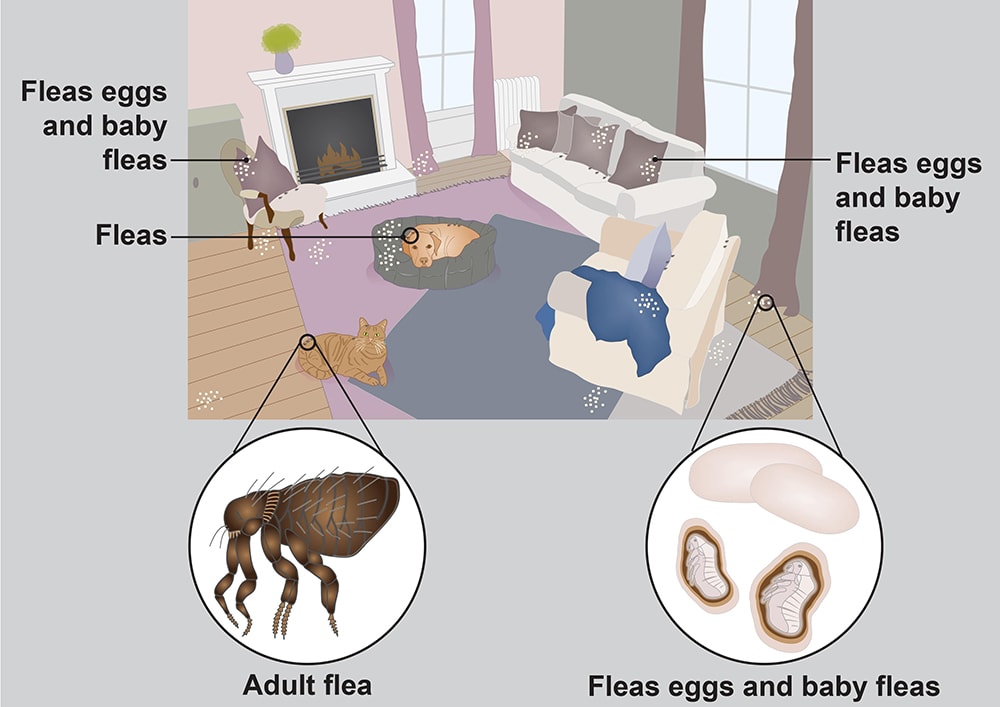
Flea Life Cycle
Fleas grow fast and pass through several stages. Eggs hatch into larvae, which turn into pupae. Pupae wait in the environment until they find a host. Adult fleas jump onto your dog to feed and lay eggs. This cycle repeats quickly, causing rapid flea buildup.
Environmental Factors
Warm and humid places help fleas live and grow. Fleas hide in grass, soil, and carpet fibers. Outdoor yards with shade and moisture are flea hotspots. Inside your home, fleas may hide in pet bedding and furniture. Clean areas reduce flea chances.
Contact With Other Animals
Dogs meet many animals during walks or playtime. Fleas jump from one animal to another easily. Stray cats, wildlife, or other dogs can carry fleas. Even a brief encounter can give your dog fleas. Watch your dog’s interactions to reduce risks.
Indoor Vs Outdoor Risks
Outdoor dogs face higher flea risks from nature. Fleas live in soil and plants outside. Indoor dogs have fewer risks but are not safe. Fleas can enter homes on clothes or visitors. Regular cleaning and treatment protect dogs inside and outside.
Credit: www.cdc.gov
Signs Of Flea Infestation
Fleas cause many problems for dogs. They make pets uncomfortable and can lead to health issues. Spotting fleas early helps stop bigger problems. Watch your dog for signs that fleas have arrived.
Some signs are easy to see, while others need closer attention. Knowing these signs helps you act fast and protect your dog’s health.
Visible Fleas And Flea Dirt
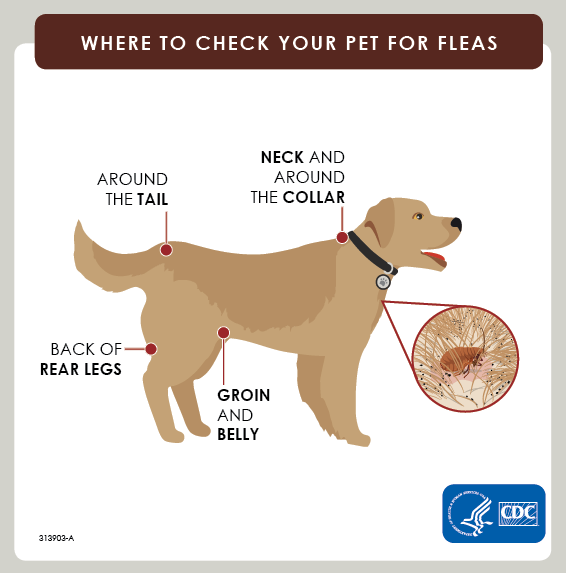
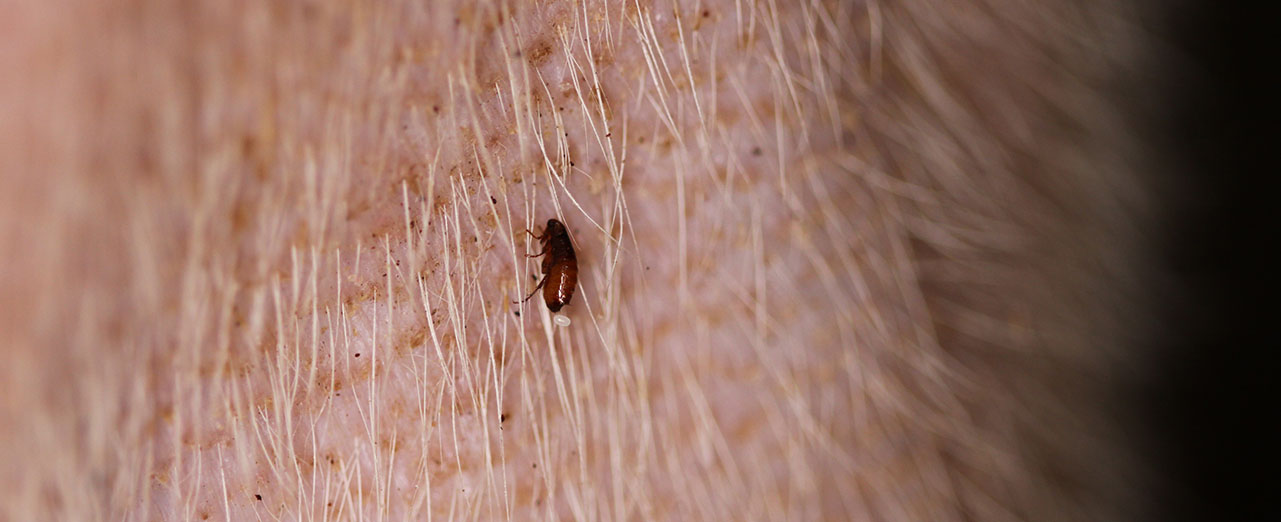
Look closely at your dog’s fur, especially near the tail and neck. Fleas are small, dark, and move quickly. Flea dirt looks like tiny black specks on the skin. It is actually flea waste and turns red when wet. Finding either means fleas are present.
Excessive Scratching And Biting
Dogs with fleas scratch more than usual. They bite or lick their skin often. This behavior shows discomfort. Constant scratching can cause wounds and infections. Watch for repeated scratching or biting spots on your dog.
Skin Irritation And Allergies
Fleas cause red, irritated skin. Dogs may have scabs or hair loss in some areas. Some dogs develop flea allergy dermatitis. This condition makes skin very itchy and inflamed. Check your dog’s skin for redness, swelling, or sores.
Preventing Flea Problems
Preventing flea problems keeps your dog healthy and comfortable. Fleas cause itching and can spread diseases. Regular care and cleaning reduce the chance of fleas returning. Simple steps at home and outside help control fleas effectively.
Regular Grooming Habits
Brush your dog’s coat every day to spot fleas early. Use a flea comb to remove eggs and adults. Bathing your dog with flea shampoo helps kill fleas on contact. Grooming also checks for skin irritation or bites from fleas.
Effective Flea Treatments
Use flea prevention products recommended by your vet. Options include spot-on treatments, oral pills, and flea collars. Follow the instructions carefully for best results. Treat all pets in your home to stop flea spread.
Home Cleaning Tips
Vacuum floors, carpets, and furniture often to remove flea eggs. Wash your dog’s bedding weekly in hot water. Use flea sprays or powders safely on carpets and upholstery. Clean areas where your dog rests to reduce flea hiding spots.
Yard Maintenance
Keep grass short and remove leaf litter where fleas hide. Trim bushes and avoid dense shade in your yard. Use pet-safe outdoor flea control products if needed. Clean up pet waste quickly to prevent flea attraction.
Credit: nexgard.com.au
Natural Flea Remedies
Natural flea remedies offer safe ways to protect your dog from pests. These treatments avoid harsh chemicals. They help keep your pet healthy and comfortable. Many pet owners prefer natural methods for flea control.
Using plants and simple ingredients can stop fleas. These remedies often work well and are gentle on your dog’s skin. Below are some easy and natural options.
Herbal Sprays And Shampoos
Herbal sprays and shampoos use plant extracts to repel fleas. Ingredients like neem, rosemary, and eucalyptus are popular. These plants have natural properties that keep fleas away. You can buy ready-made products or make your own spray at home. Regular use helps reduce flea problems without harmful chemicals.
Essential Oils To Avoid
Some essential oils can harm dogs. Oils like tea tree, pennyroyal, and cinnamon are toxic. These oils may cause skin irritation or worse. Always research and check with a vet before using any oil. Safe oils include lavender and chamomile but still use them carefully. Avoid applying oils directly without diluting.
Diy Flea Traps
DIY flea traps use light and water to catch fleas. You can make one with a bowl of soapy water and a light source. Fleas jump toward the light and get trapped in the water. Place traps near your dog’s resting area. This method helps reduce flea numbers in your home naturally.
When To See A Vet
Knowing when to see a vet is important for your dog’s health. Fleas can cause serious problems. Some signs need quick attention to avoid harm. This guide helps you understand when vet care is necessary.
Severe Infestations
Severe flea infestations cause constant itching and discomfort. Your dog may lose hair and have raw skin. Fleas can multiply fast and spread to your home. A vet can provide strong treatments to stop fleas quickly. Do not wait if fleas cover your dog’s body.
Flea Allergy Dermatitis
Some dogs are allergic to flea bites. They develop red, swollen, and itchy skin. This condition is called flea allergy dermatitis. It causes intense scratching and pain. Only a vet can diagnose this allergy. They will give medicine to reduce itching and heal skin.
Secondary Infections
Scratching from fleas can cause wounds. These wounds may get infected by bacteria. Signs include pus, bad smell, and swelling. Secondary infections need veterinary care. The vet will clean wounds and give antibiotics. Early treatment stops infections from getting worse.
Conclusion
Fleas cause constant discomfort for your dog and your home. Treating your dog alone won’t stop fleas returning. Clean your dog’s bedding and living area regularly. Check your dog often, especially after outdoor play. Use vet-recommended flea treatments for best results.
Patience and consistency are key to winning this battle. Protect your dog from fleas to keep them happy and healthy. Don’t let fleas take control—act early and stay vigilant.