
Fleas are tiny pests that cause big problems for pets. They bite and make animals itchy. Flea collars are one way to fight fleas. But are flea collars effective? This article will answer that question clearly. You will learn what flea collars do, how they work, and if they are good for your pet.
What Are Flea Collars?
Flea collars are bands made to go around a pet’s neck. They slowly release chemicals that kill or repel fleas. These chemicals spread over the pet’s fur. The idea is to stop fleas from biting and living on your pet.
Flea collars come in many brands and types. Some last a few weeks. Others can protect pets for months. Most collars are made for dogs and cats.
How Do Flea Collars Work?
Flea collars release special chemicals. These chemicals either kill fleas or keep them away. When fleas try to jump on the pet, they come in contact with the chemicals. This stops fleas from biting or laying eggs.
Some flea collars contain insecticides. Others have natural oils that repel fleas. The collars slowly send out these chemicals over time. This helps keep fleas away for days or weeks.
Types of Flea Collars
Not all flea collars work the same way. Here are common types:
- Insecticide Collars: These use chemicals to kill fleas. They affect fleas’ nervous systems and stop them fast.
- Repellent Collars: These keep fleas from coming near. They use natural oils or mild chemicals.
- Combination Collars: These both kill and repel fleas. They provide better protection.
Advantages of Flea Collars
Flea collars have some good points. They are easy to use and often affordable. You just put the collar on your pet’s neck. No need for messy sprays or pills. Collars can last for weeks or months.
Also, flea collars can protect pets all the time. This is good if fleas are a big problem in your area. They work without much effort from you.
Limitations of Flea Collars
Flea collars do have limits. Sometimes, they do not kill fleas fast enough. If fleas are already on your pet, a collar alone might not help. You may still see fleas or bites for a few days.
Also, some pets may not like wearing collars. The collar can be itchy or uncomfortable. If the collar is too tight or too loose, it may not work well.
Another problem is that some flea collars use strong chemicals. These can cause skin irritation or allergies in pets. Always check the collar’s safety before buying.
Effectiveness: What Do Studies Say?
Many studies show flea collars can help reduce fleas. But the level of effectiveness varies. Some collars work very well to kill fleas and stop bites. Others only provide mild protection.
Experts say flea collars work best as part of a bigger plan. This means cleaning your home and pet regularly. Use flea shampoos, sprays, or oral medicines along with collars.
When Are Flea Collars Most Useful?
Flea collars are useful if you want easy, ongoing protection. They work well for pets that go outside a lot. Pets that meet other animals can also benefit.
If your pet already has fleas, use a collar with other treatments. This helps get rid of fleas faster. For places with many fleas, collars can stop new fleas from coming.
How to Use Flea Collars Safely
Use flea collars the right way to keep your pet safe.
- Check the collar size to fit your pet’s neck well.
- Follow the instructions on the package carefully.
- Do not leave the collar on pets that do not tolerate it.
- Remove the collar if you see skin irritation or unusual behavior.
- Keep collars away from children when not on your pet.
Tips for Better Flea Control
Flea collars work better with other steps. Try these tips:
- Wash pet bedding often in hot water.
- Vacuum carpets and floors regularly.
- Use flea sprays or powders in your home.
- Check your pet’s skin and fur for fleas weekly.
- Talk to your vet about flea medicines.
Summary: Are Flea Collars Worth It?
Flea collars can help protect pets from fleas. They are easy to use and offer long-lasting effects. But collars alone might not stop fleas quickly. They work best when combined with other treatments.
Choose flea collars carefully. Check the ingredients and pet safety. Watch your pet while using the collar. And always follow the product instructions.
In short, flea collars are effective but not perfect. They are one tool in the fight against fleas. Using collars with other methods gives your pet the best protection.
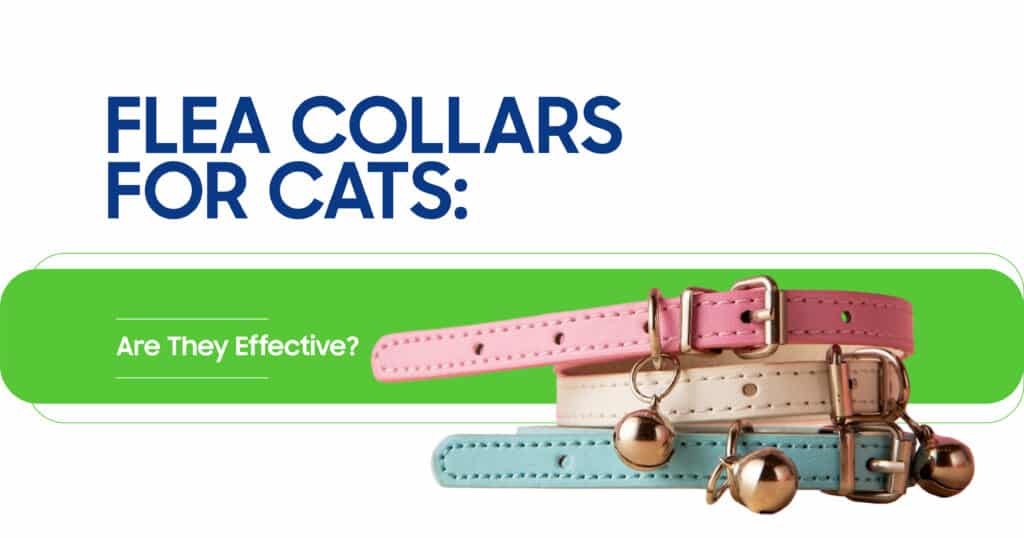
Credit: vettoday.com
Comparison Table: Flea Collars vs Other Flea Treatments
| Feature | Flea Collar | Flea Shampoo | Oral Medicine | Flea Spray |
|---|---|---|---|---|
| Ease of Use | Very easy (wear collar) | Moderate (bath needed) | Easy (pill or chew) | Moderate (spray coat) |
| Speed of Action | Slow (days to weeks) | Fast (kills on contact) | Fast (within hours) | Moderate (kills on contact) |
| Duration | Weeks to months | Hours to days | Weeks to months | Hours to days |
| Protection Type | Kills and repels | Kills fleas on pet | Kills fleas inside pet | Kills and repels |
| Cost | Low to moderate | Low | Moderate to high | Low to moderate |
| Safety Concerns | Possible skin irritation | Usually safe | Vet advice needed | Possible skin irritation |
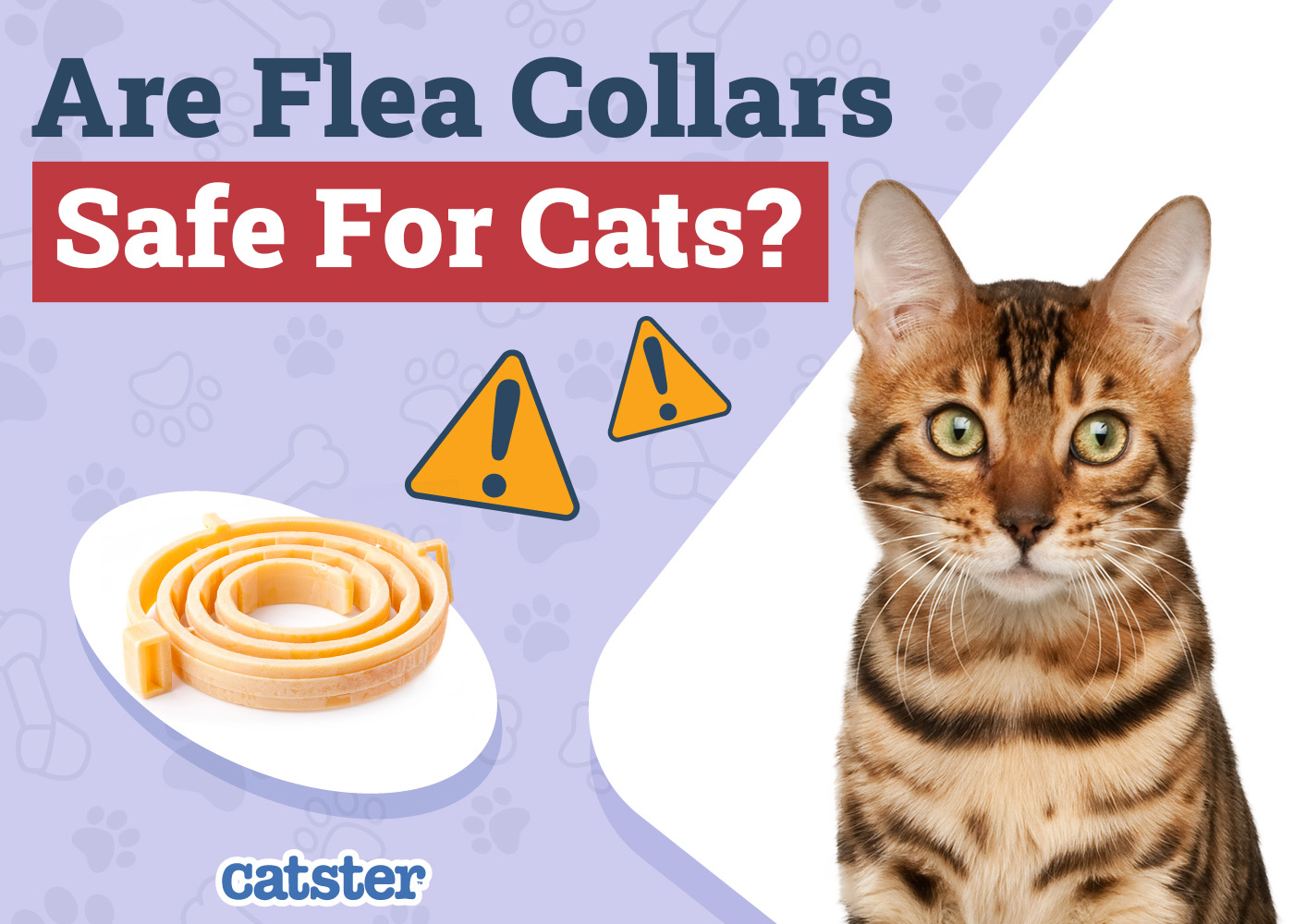
Credit: www.catster.com
Final Thoughts
Fleas can make pets unhappy and unhealthy. Flea collars help reduce fleas on pets. They work best when used correctly and with other methods. Always watch your pet’s reaction to the collar. And consult your vet if you have questions.
With good care, your pet can stay flea-free and happy. Flea collars can be a useful part of that care.