
Are earwigs and silverfish invading your home, making you feel uneasy every time you spot them? You’re not alone—and the good news is, you can take control.
These small pests might seem harmless, but they can cause damage and discomfort if left unchecked. You’ll discover simple, effective ways to get rid of earwigs and silverfish for good. By the end, you’ll have the tools and knowledge to protect your space and enjoy peace of mind.
Ready to take back your home? Let’s dive in.
Credit: americanpest.net
Earwigs And Silverfish Basics
Earwigs and silverfish are common household pests that many people find unsettling. Understanding their basics helps control them effectively. Knowing how to identify them, where they live, and signs of their presence is crucial. This section breaks down these key points.
Identification Tips
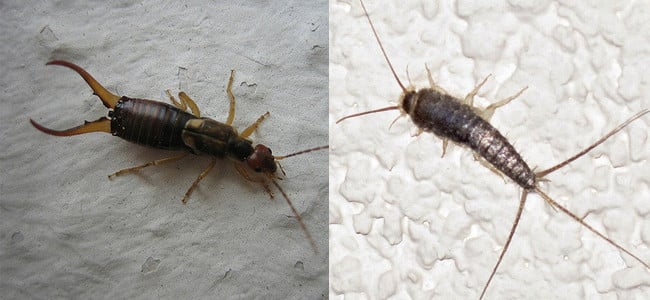
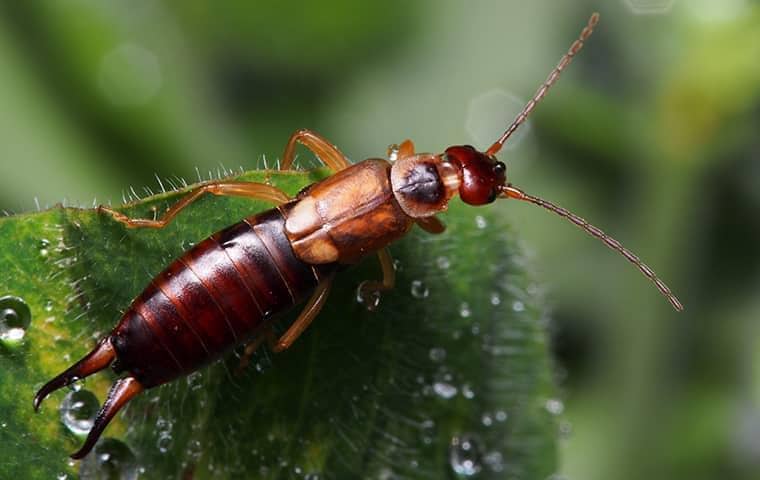
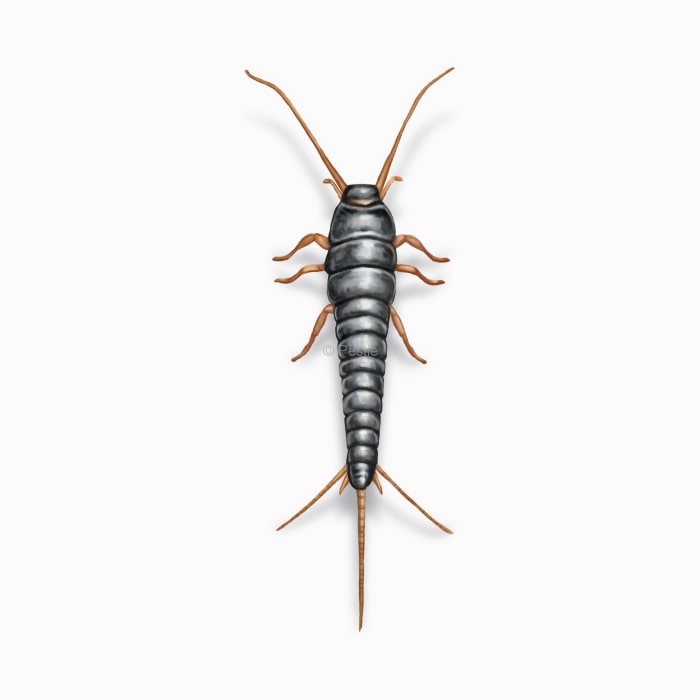
Earwigs have long, narrow bodies and pincers at the back. They are usually brown or reddish. Silverfish have a silver-gray, shiny body that looks like a fish. Both insects move quickly and avoid light. Earwigs have wings but rarely fly. Silverfish have no wings and wiggle as they move.
Habitat And Behavior
Earwigs prefer moist, dark places like gardens, under rocks, and inside basements. They come out at night to eat plants and small insects. Silverfish like damp areas such as bathrooms, kitchens, and basements. They feed on paper, glue, and fabrics. Both pests hide during the day and are active at night.
Common Signs Of Infestation
Finding dead or live earwigs around your home is a clear sign. Small holes or damage on plants can indicate earwig activity. Silverfish leave tiny scales and yellow stains on paper or fabric. Seeing silverfish moving quickly along baseboards or walls means they are present. Musty or damp odors may also hint at their infestation.
Credit: www.allamericanpestcontrol.com
Preventive Measures
Preventive measures help keep earwigs and silverfish away. These insects like damp, dark places. Stopping them from entering your home is the best way to avoid problems.
Simple steps can make a big difference. Focus on home maintenance, moisture control, and sealing entry points. Each step helps create a less inviting space for these pests.
Home Maintenance
Clean your home regularly. Remove debris, leaves, and clutter near your house. These spots attract earwigs and silverfish. Keep your garden trimmed and tidy. Fix broken windows, doors, and screens. Repair any damaged wood or siding. These actions reduce places where pests hide.
Moisture Control
Earwigs and silverfish love moisture. Fix leaking pipes and faucets quickly. Use a dehumidifier in damp areas. Keep basements and crawl spaces dry. Avoid overwatering plants near your home. Dry environments discourage these insects from staying.
Sealing Entry Points
Check your home for cracks and gaps. Seal openings around windows, doors, and pipes. Use weather stripping and caulk to close spaces. Cover vents with fine mesh screens. Blocking entry points stops pests from getting inside.
Natural Remedies
Natural remedies offer safe and effective ways to control earwigs and silverfish. These insects dislike strong smells and rough surfaces. Using natural ingredients can reduce pests without harmful chemicals. Here are some easy methods you can try at home.
Essential Oils And Sprays
Essential oils such as lavender, peppermint, and eucalyptus repel earwigs and silverfish. Mix 10 drops of oil with water in a spray bottle. Spray this mixture around windows, doors, and dark corners. The strong scent keeps insects away without toxic effects.
Use these sprays regularly for best results. These oils also add a fresh smell to your home.
Diatomaceous Earth
Diatomaceous earth is a natural powder made from fossilized algae. It has tiny sharp particles that damage insect shells. Sprinkle it in damp areas, cracks, and near baseboards. This powder dehydrates earwigs and silverfish, causing them to die.
Keep the powder dry for it to work well. It is safe for humans and pets but deadly to pests.
Homemade Traps
Simple traps can catch earwigs and silverfish effectively. Place damp rolled-up newspaper or cardboard near problem areas. These insects hide in dark, moist places. Check traps daily and remove captured pests.
You can also use shallow containers filled with vegetable oil. Insects get stuck and drown inside. Homemade traps reduce pests without chemicals and are easy to make.
Chemical Treatments
Chemical treatments can help control earwigs and silverfish effectively. These pests hide in cracks and damp areas, making them hard to remove. Using the right insecticides kills them quickly and stops them from coming back. Always choose safe products to protect your family and pets.
Safe Insecticides
Choose insecticides labeled for indoor use against earwigs and silverfish. Look for products with ingredients like permethrin or bifenthrin. These are effective and have low toxicity to humans. Avoid strong chemicals that cause harm or leave harmful residues. Read labels carefully before buying any product.
Application Tips
Apply insecticides in cracks, baseboards, and damp areas where pests hide. Use a spray or powder form depending on the product instructions. Wear gloves and a mask for safety. Do not spray near food or water sources. Repeat treatments as recommended to break the pest life cycle.
When To Call Professionals
Severe infestations may need expert help. Pest control professionals know which chemicals work best. They use safe methods to treat your home thoroughly. Call them if pests return after treatments or if you feel unsure about handling chemicals. Professionals can provide long-term pest control solutions.
Ongoing Maintenance
Ongoing maintenance is key to keeping earwigs and silverfish away. These pests can return if you stop caring for your home. Small habits help stop infestations before they start. Consistent effort keeps your living space clean and safe.
Regular Cleaning
Clean your home often to remove food and debris. Dirt and crumbs attract silverfish and earwigs. Vacuum corners, baseboards, and under furniture. Wipe down counters and shelves daily. Remove piles of paper, cardboard, and fabric. These places hide silverfish eggs and larvae.
Monitoring Infestation
Check your home regularly for signs of pests. Look for small holes in books or papers. Notice tiny black droppings near walls or cupboards. Use sticky traps to catch silverfish and earwigs. Check traps every few days and replace them. Early detection helps stop pests before they spread.
Long-term Prevention
Fix leaks and reduce moisture in your home. Earwigs and silverfish love damp places. Use a dehumidifier in basements and bathrooms. Seal cracks and gaps around windows and doors. Store food in airtight containers. Remove clutter that offers hiding spots. These steps stop pests from settling in your home.
Credit: pestie.com
Conclusion
Getting rid of earwigs and silverfish takes patience and care. Keep your home dry and clean to stop them. Seal cracks and remove food sources they like. Use safe traps or natural remedies to reduce their numbers. Watch your home often for signs of pests.
Small steps make a big difference over time. Stay consistent and you will see results. A pest-free home feels safe and comfortable. Keep your space neat and pests will stay away.