
Are earwigs sneaking into your home and making you feel uneasy? You’re not alone.
These small, creepy insects can be surprising and unsettling when they show up inside. But don’t worry—you don’t have to share your space with them. You’ll discover simple and effective ways to repel earwigs from your house. By following these easy steps, you can protect your home and enjoy peace of mind without harsh chemicals or expensive treatments.
Keep reading to take control and keep those unwelcome guests out for good.

Credit: cedarcide.com
Earwig Behavior And Habits
Understanding earwig behavior and habits helps in keeping them away from your home. These small insects have unique traits and preferences. Knowing these can guide you to avoid unwanted visits.
Common Earwig Traits
Earwigs are small, dark insects with pincers on their backs. They are mostly active at night. Earwigs like damp, cool places. They feed on plants and small insects. They do not spread diseases, but their presence can be annoying.
Why Earwigs Enter Homes
Earwigs enter homes to find shelter and food. Rainy weather and humidity drive them indoors. They seek dark, moist areas to hide. Homes with poor drainage or leaks attract earwigs. They also come inside looking for plants to eat.
Preferred Hiding Spots
Earwigs hide in cracks, crevices, and under objects. Basements, bathrooms, and kitchens are common spots. They also hide behind furniture and appliances. Outside, they like mulch, leaves, and wood piles. Keeping these areas dry helps reduce earwig hiding places.
Preventing Earwig Entry
Stopping earwigs from entering your home is the first step in keeping them away. Earwigs like dark, damp places and small openings to sneak inside. By making your house less inviting, you reduce their chances of coming in. Focus on sealing entry points, controlling moisture, and improving air flow.
Sealing Cracks And Gaps
Check walls, doors, and windows for cracks or holes. Use weather stripping or caulk to close gaps tightly. Pay attention to areas around pipes and vents. Even small openings can be an easy path for earwigs. Sealing these stops their entry effectively.
Reducing Moisture Indoors
Earwigs thrive in moist environments. Fix leaking pipes and faucets quickly. Use a dehumidifier in damp rooms like basements. Avoid overwatering indoor plants to keep soil dry. Dry spaces make your home less attractive to earwigs.
Proper Ventilation Tips
Good air flow helps reduce humidity inside your home. Open windows regularly to let fresh air in. Use exhaust fans in kitchens and bathrooms. Clear vents to ensure air moves freely. Proper ventilation keeps your home dry and less welcoming to earwigs.
Natural Repellents For Earwigs
Natural repellents offer a safe way to keep earwigs out of your home. They avoid harsh chemicals and protect your family and pets. These methods use ingredients you can find in your kitchen or garden.
Many plants and oils have smells that earwigs dislike. Using these can help reduce earwig presence around your house. Natural repellents are easy to make and apply.
Essential Oils That Work
Essential oils have strong scents that repel earwigs. Peppermint oil is one of the most effective. It creates a smell that earwigs avoid. Tea tree oil also works well to keep them away. Lavender oil can calm your home and repel pests. Mix a few drops of these oils with water for easy use.
Herbal Remedies
Herbs can keep earwigs at bay naturally. Bay leaves placed near entry points help deter earwigs. Wormwood is another herb with a strong scent they dislike. Planting these herbs near your doors and windows adds extra protection. Dried herbs can also be scattered in problem areas.
Homemade Spray Recipes
Making your own spray is simple and effective. Mix water with a few drops of peppermint or tea tree oil. Add a small amount of dish soap to help the spray stick. Spray this mixture around doors, windows, and corners. Repeat every few days for best results. This spray is safe and gentle on surfaces.
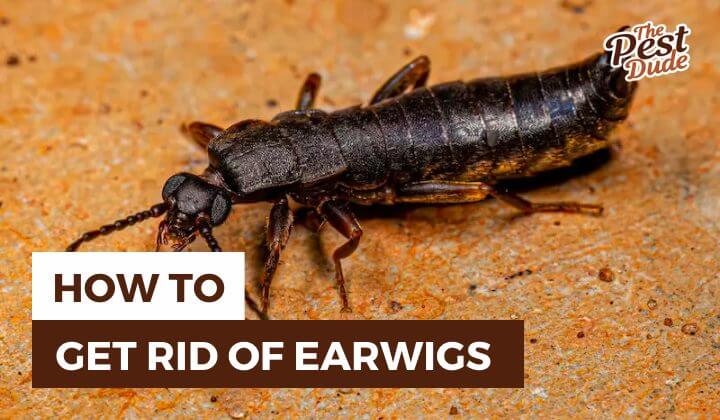
Credit: pestdude.com
Using Traps To Capture Earwigs
Using traps to capture earwigs helps reduce their numbers inside your home. Traps attract earwigs and keep them from spreading. This method is safe, simple, and does not use harmful chemicals. Traps work well alongside other control techniques to manage earwig problems.
Diy Traps
Make easy traps using household items. Roll up a damp newspaper or cardboard tube. Place it where earwigs hide. They crawl inside and stay trapped until you remove it. Another option is a shallow container with vegetable oil and a drop of dish soap. Earwigs fall in and cannot escape. Change traps daily for best results.
Commercial Trapping Options
Buy traps made specifically for earwigs. These often use bait to lure insects inside. Some traps have sticky surfaces that catch earwigs on contact. Others use pheromones to attract them. Follow product instructions carefully. These traps help reduce earwig populations over time.
Placement Strategies
Place traps where earwigs are most active. Common spots include damp areas, near doors, and under plants. Check traps often and empty them as needed. Keep traps close to entry points to stop earwigs from entering. Moving traps around helps find the best locations for catching earwigs.
Chemical Solutions And Safety
Chemical solutions can help control earwig problems quickly. They kill or repel earwigs effectively. Using chemicals safely is very important to protect your family and pets. Follow instructions carefully to avoid health risks and damage to your home.
Recommended Insecticides
Choose insecticides that list earwigs on the label. Products with permethrin, bifenthrin, or cyfluthrin work well. Spray around doors, windows, and cracks where earwigs enter. Use dust insecticides in wall voids or crawl spaces. Always buy from trusted stores and check expiry dates.
Safe Application Practices
Wear gloves and a mask during application. Avoid spraying near food, pets, and water sources. Keep children and pets away until the spray dries. Do not overuse chemicals; follow the label’s dose instructions. Store insecticides out of reach of kids and pets. Ventilate rooms well after spraying indoors.
When To Call A Professional
Large infestations may need expert help. Professionals have stronger tools and knowledge. Call pest control if you cannot find where earwigs hide. Seek help if chemicals cause allergies or skin irritation. Experts can prevent future problems and advise on safe treatments.

Credit: www.budget101.com
Maintaining An Earwig-free Home
Keeping your home free from earwigs starts with simple daily habits. Earwigs like damp and dark places. They sneak inside through cracks or clutter. A clean and dry home is less attractive to them. Small efforts can make a big difference in avoiding these pests.
Regular Cleaning Tips
Clean your home often to remove food crumbs and dirt. Wipe kitchen counters and floors daily. Vacuum carpets and rugs regularly to catch hidden bugs. Empty trash bins before they overflow. Dry wet areas like sinks and bathrooms quickly. Clean cluttered spots where earwigs can hide.
Yard Maintenance
Trim plants and grass near your house walls. Remove piles of leaves, wood, and debris. Keep mulch away from the foundation. Water plants early in the day to let soil dry. Clear gutters and drains to prevent moisture build-up. A tidy yard reduces places for earwigs to live.
Monitoring And Early Detection
Check dark corners and basements often for signs of earwigs. Use a flashlight to look under furniture and appliances. Set sticky traps near entry points to catch them early. Note any small holes or cracks around doors and windows. Early detection helps stop earwigs before they spread inside.
Conclusion
Repelling earwigs helps keep your home clean and safe. Simple steps like sealing cracks and removing moisture work well. Using natural repellents keeps chemicals away from your family. Regular cleaning stops earwigs from making nests indoors. Stay consistent and patient for the best results.
Small efforts make a big difference over time. Protect your home with these easy, everyday habits. No need to worry about earwigs anymore. Your home can stay comfortable and pest-free.