
Have you ever spotted earwigs crawling around your home and wondered how long they’ll stick around? These small, creepy insects can make you feel uneasy, especially when you don’t know how long they’ll live inside your space.
Understanding their lifespan inside your house can help you take the right steps to get rid of them for good. Keep reading to discover how long earwigs live in your home and what you can do to keep them from coming back.
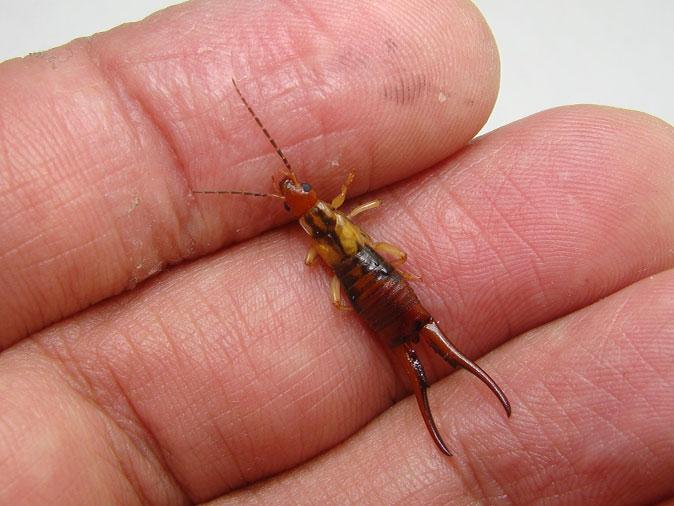
Credit: www.enviropest.com
Earwig Lifespan Basics
Understanding how long earwigs live inside your home helps manage them better. Earwigs have a simple life cycle and clear lifespan patterns. Knowing these basics can reduce worries and improve control methods.
Typical Life Duration
Earwigs usually live for about one year. Their life starts as eggs laid in soil or dark corners. After hatching, nymphs go through several stages before becoming adults. Adult earwigs live for a few months. Most earwigs found indoors are adults searching for food or shelter.
Factors Affecting Longevity
Temperature plays a big role in how long earwigs survive. Warm and humid places help them live longer. Cold or dry areas shorten their lifespan. Availability of food also matters. Without enough food, earwigs die faster. Predators inside the house can reduce their numbers too. Lastly, human actions like cleaning or using insect sprays impact their survival.

Credit: ipm.ucanr.edu
Earwig Life Cycle Stages
The earwig life cycle has three main stages. Each stage shows different growth and behavior. Understanding these stages helps explain how long earwigs live in your house.
Earwigs start small and grow into adults through these clear steps. Their life cycle affects how they move and where they hide indoors.
Egg Stage
Earwig eggs are tiny and white. Females lay them in damp, dark places. The egg stage lasts about one to two weeks. Mothers often guard the eggs to keep them safe.
Nymph Development
Nymphs hatch from eggs looking like small adults without wings. They grow by shedding their skin several times. This stage lasts around one to two months. Nymphs stay near moist spots inside the house.
Adult Phase
Adult earwigs have fully formed wings and pincers. They live for about one year. Adults are mostly active at night. They hide in cracks, plants, or damp areas inside your home.
Indoor Vs Outdoor Lifespan
Earwigs live differently indoors and outdoors. Their lifespan changes based on where they stay. Understanding these differences helps manage them better in your home.
Environmental Differences
Outdoors, earwigs find moist and dark places easily. They live under leaves, stones, or bark. The natural environment gives them food and shelter. Indoors, conditions vary a lot. Dry air and less food can shorten their life. Homes are warmer but drier, which is not ideal for them.
Survival Challenges Indoors
Inside, earwigs face fewer natural dangers like predators. Still, they struggle with low moisture. Dry air can make them weak quickly. Lack of food limits their growth and energy. Cleaning and pest control reduce their chances too. These factors often make indoor earwigs live shorter lives than outside.

Credit: mosquitonix.com
Common Earwig Species At Home
Earwigs are common insects found in many homes. They hide in dark, damp places like basements and bathrooms. Knowing the species helps understand how long they live indoors. Different species have different life spans and habits. This section covers the usual earwig types in houses.
Most earwigs have similar body shapes but vary in size and color. Some live longer than others. Learning about their life cycle helps control their presence at home.
Species With Longer Lifespans
The European earwig is one of the longest-living species found in houses. It can live up to one year inside. This species is brown with a shiny body and pincers at the back. It hides in moist areas and feeds on plants and small insects. Its longer lifespan means it can stay in your home for many months if not removed.
Another species with a longer life is the Ringlegged earwig. It usually lives around 8 to 10 months indoors. This earwig has dark legs with light rings and prefers damp corners. It can reproduce multiple times, increasing the number of earwigs in your house.
Species With Shorter Lifespans
The Short-winged earwig often lives only 3 to 5 months inside homes. It is smaller and less common than the European earwig. This species hides mostly under leaves and debris near the house. Its brief life span limits how long it stays in a home environment.
The Brown earwig is another example with a short life. It usually lives up to 6 months indoors. This species prefers dry places and is less active. Its shorter lifespan means it may not cause long-term problems.
Signs Of Earwig Infestation
Earwig infestations can be tricky to notice at first. These small insects often hide in dark, damp places around your home. Knowing the signs of their presence helps stop them before they cause more problems. Watch for subtle clues that reveal earwigs have made your house their home.
Identifying Earwig Presence
Earwigs are small, dark brown insects with pincers on their tails. They move mostly at night and hide during the day. You might find them under leaves, in cracks, or around damp areas. Seeing dead earwigs near windows or walls can signal an infestation. Some may notice a faint, musty smell where many earwigs gather. Earwig shells or small holes in plants or wood also indicate their activity.
Impact On Home Environment
Earwigs feed on plants and decaying material, which can harm indoor plants. They may damage flowers, fruits, and vegetables in your garden or pots. Large groups of earwigs can create a mess by leaving droppings or shedding skins. They do not bite often but their presence can cause discomfort and worry. Moist areas like basements and bathrooms attract them, increasing humidity and mold risk. Early detection helps keep your home safe and clean.
Controlling Earwig Populations
Controlling earwig populations inside your home helps keep them from becoming a nuisance. These insects prefer damp and dark places, which makes some parts of the house ideal for them. Reducing their numbers means making your home less inviting. Simple actions can prevent earwigs from settling in and multiplying.
Preventive Measures
Keep your home dry and clean. Fix leaks and remove excess moisture. Seal cracks and gaps around doors and windows. Store firewood and mulch away from the house. Remove leaf piles and debris near the foundation. These steps reduce hiding spots and food sources for earwigs.
Safe Removal Techniques
Use a soft brush or paper to gently scoop earwigs. Release them outside, far from your home. Set traps with rolled-up damp newspapers or cardboard tubes. Check traps daily and dispose of captured earwigs carefully. Avoid using harsh chemicals inside your living areas.
Myths About Earwig Lifespan
Many people have ideas about how long earwigs live inside homes. Some of these ideas are not true. Myths about earwig lifespan can cause unnecessary worry. Understanding the facts helps you handle these insects better.
Let’s clear up some common myths and share real information about earwig life.
Common Misconceptions
Some think earwigs live for several years in a house. Others believe they can bite and stay dangerous for a long time. Many assume earwigs grow very large inside homes. Myths also say earwigs multiply fast and become a big problem quickly. These ideas make people scared of earwigs without reason.
Scientific Facts
Earwigs usually live less than one year. Their life includes egg, nymph, and adult stages. Most earwigs only stay inside homes for a short time. They prefer damp and dark places. Earwigs do not bite people often and their bite is not harmful. They do not grow very large indoors. Earwigs reproduce slowly compared to other insects. Knowing these facts helps reduce fear and control earwigs calmly.
Conclusion
Earwigs usually live a few months inside homes. They hide in dark, damp places like basements or bathrooms. These insects do not cause much harm but can be a nuisance. Keeping your house dry and clean helps keep earwigs away.
Sealing cracks and removing debris stops them from entering. Understanding their life span helps you manage them better. Small steps can reduce earwig problems significantly. Stay alert and take action early to protect your home.