
Have you ever spotted tiny, many-legged creatures crawling across your floor and wondered, “Why are millipedes in my house?” These little visitors can be surprising and even a bit unsettling. You might be asking yourself if they pose any danger or how to get rid of them.
Understanding why millipedes choose your home can help you take control and prevent future visits. Keep reading, because uncovering the reasons behind their presence could save you from unwanted surprises and help you protect your living space.
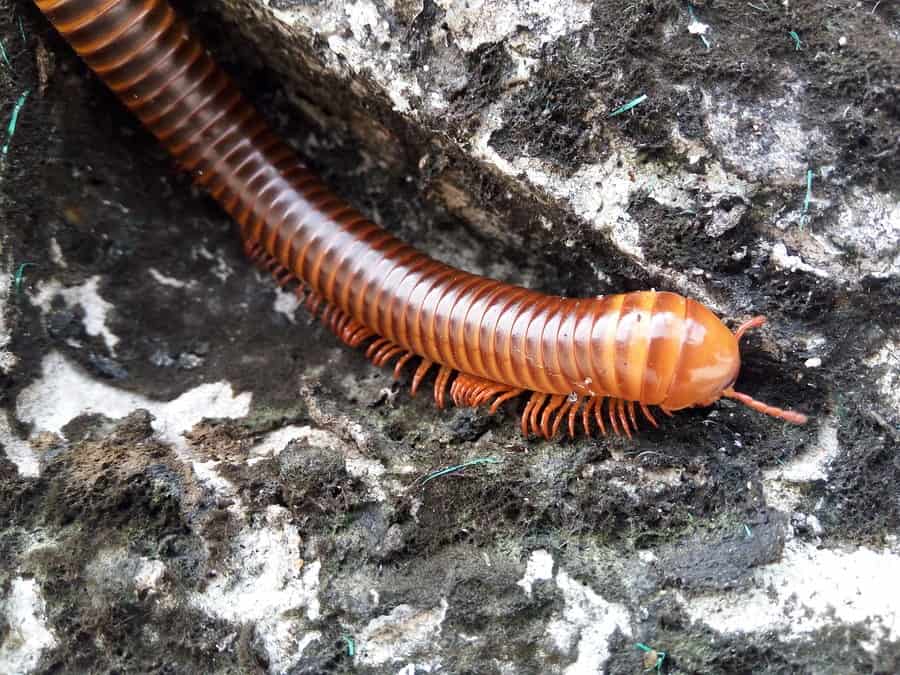
Credit: www.callnorthwest.com
Common Causes Of Millipedes Indoors
Millipedes often enter homes for specific reasons. Understanding these causes helps you prevent them effectively. They seek places that meet their needs for survival and comfort. Below are the common causes of millipedes indoors.
Moisture And Humidity Factors
Millipedes love damp and wet places. High moisture levels inside your home attract them. Leaky pipes, wet basements, and poor ventilation create perfect conditions. These bugs thrive in humid environments because their bodies need moisture to survive. Reducing indoor humidity can help keep millipedes away.
Entry Points In The Home
Millipedes enter through small cracks and gaps in walls. Open windows and doors without screens also invite them inside. They can squeeze through holes near pipes and vents. Sealing these entry points limits their access. Regularly check your home’s foundation and walls for openings.
Attraction To Organic Matter
Millipedes feed on decaying leaves, wood, and plant debris. Piles of mulch or dead leaves near your house attract them. Inside, they look for damp organic material in basements or crawl spaces. Cleaning up yard waste and keeping the area around your home tidy reduces their food sources.
Risks Linked To Millipedes Inside
Millipedes inside your home can cause different problems. They do not just crawl around. These small creatures can bring risks that affect your property, health, and pets.
Potential Damage To Property
Millipedes usually feed on decaying plants outside. Inside, they can damage soft materials. They may harm houseplants by eating roots and leaves. Sometimes, they leave stains on walls and floors. These stains come from the liquid they release as a defense. This liquid can cause discoloration and damage to paint or wallpaper. Large numbers of millipedes can create an unpleasant mess in basements or garages.
Health Concerns For Residents
Millipedes do not bite or sting. They are mostly harmless to people. Still, their defense liquid can cause skin irritation or allergic reactions. Touching millipedes may lead to redness or itching. Inhaling dust from dead millipedes might trigger allergies or breathing problems. It is best to avoid direct contact to prevent any discomfort.
Impact On Pets
Pets may be curious about millipedes and try to eat them. Some millipedes produce toxins in their defense spray. These toxins can cause mild poisoning in pets. Symptoms include drooling, vomiting, or paw irritation. Watch your pets closely if they encounter millipedes. Keep millipedes away from areas where pets play or rest.
Simple Ways To Prevent Millipedes
Stopping millipedes from entering your home is possible with simple steps. These methods focus on making your space less attractive and harder for millipedes to access. Small changes inside and outside your house can reduce the chance of an infestation. Follow these easy tips to keep millipedes away.
Reducing Indoor Moisture
Millipedes love damp places. Fix leaks in pipes and faucets quickly. Use a dehumidifier in damp rooms like basements. Open windows to let fresh air flow when weather is dry. Avoid overwatering indoor plants to stop excess moisture. Dry areas discourage millipedes from staying inside.
Sealing Cracks And Gaps
Millipedes enter through small cracks and holes. Check walls, doors, and windows for gaps. Use caulk or weather stripping to seal openings. Pay special attention to the foundation and around pipes. Sealing these entry points keeps millipedes out effectively. Regular checks help maintain a tight barrier.
Proper Yard Maintenance
Millipedes hide in wet leaves and mulch near homes. Clear away dead leaves, grass clippings, and wood piles. Keep mulch and plants away from your house walls. Trim bushes and grass to reduce damp hiding spots. Good yard care lowers the number of millipedes near your home.
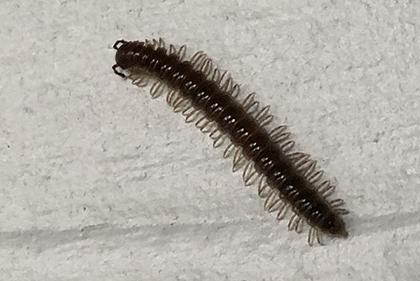
Credit: content.ces.ncsu.edu
Safe Methods To Remove Millipedes
Dealing with millipedes inside your home can be unsettling. Using safe methods to remove them protects your family and pets. It also keeps your living space healthy and clean. Choosing the right approach depends on the severity of the problem and your comfort level with different solutions.
Natural Repellents And Traps
Natural repellents offer a gentle way to keep millipedes away. Diatomaceous earth sprinkled near entry points can help. This natural powder dries out and kills millipedes without harmful chemicals. Essential oils like peppermint or tea tree oil act as repellents too. Mix a few drops with water and spray around doors and windows.
Homemade traps work well to catch these creatures. Use shallow dishes filled with soapy water. Millipedes are attracted to the water and get trapped. Place traps in dark, damp areas where millipedes hide. Check and empty traps regularly to reduce their numbers.
When To Use Chemical Solutions
Chemical solutions should be a last resort. Use only mild insecticides labeled safe for indoor use. Spray around baseboards, cracks, and entry points to target millipedes directly. Avoid overusing chemicals to protect your health and the environment. Follow all instructions carefully to ensure safe and effective use.
Consider spot treatments instead of widespread spraying. This limits exposure and targets problem areas. Always keep children and pets away during application. Ventilate rooms well after spraying to reduce lingering fumes.
Hiring Professional Pest Control
Pest control experts offer fast and thorough millipede removal. They identify the source and use safe, effective treatments. Professionals can also prevent future infestations with ongoing services. Hiring experts saves time and reduces stress.
Choose licensed and reputable companies. Ask about their methods and chemicals used. Professional help is best for large or recurring infestations. It ensures your home stays millipede-free without risk.
:max_bytes(150000):strip_icc()/GettyImages-696361790-79319be2f452404788f40ba65968c462.jpg)
Credit: www.southernliving.com
Conclusion
Millipedes enter homes seeking moisture and food. They prefer damp, dark places like basements or bathrooms. Keeping your home dry helps keep them away. Seal cracks and remove leaf piles near your house. Regular cleaning reduces hiding spots for these pests.
Understanding why millipedes come inside can prevent future visits. Small steps make a big difference in pest control. Stay calm; millipedes are mostly harmless and do not bite. Taking action now keeps your home comfortable and pest-free.