
Many people wonder which creature is more dangerous: a centipede or a millipede. Both look similar at first. They have many legs and long bodies. But they are very different in many ways. One big question is about poison. Is a centipede or a millipede more poisonous? Let’s find out.
What Are Centipedes?
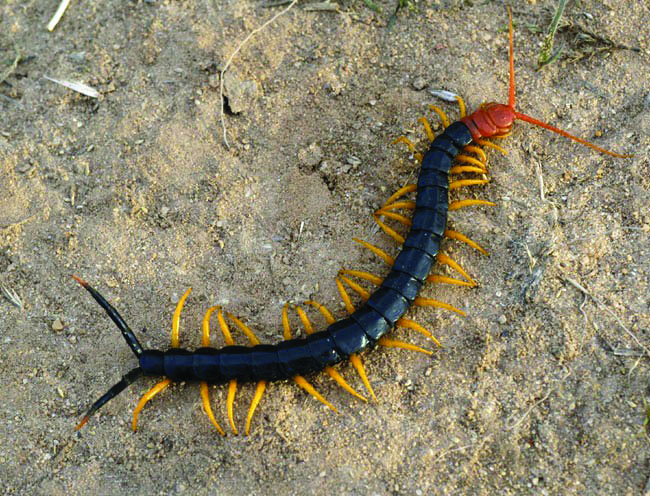
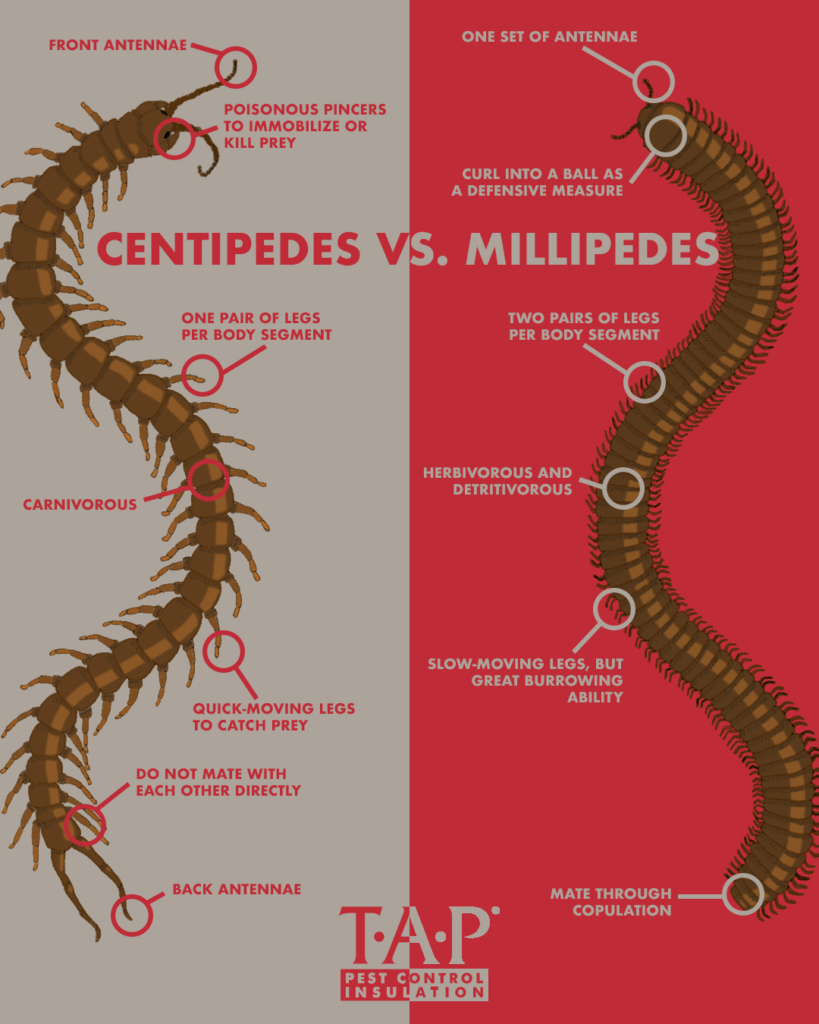
Centipedes are fast-moving insects. They have many legs, usually one pair per body segment. Their bodies are long and flat. Centipedes can move quickly to catch food or run away from danger.
Centipedes are predators. They eat small insects, spiders, and sometimes even small animals. They use their front legs like pincers to grab prey.
Centipede Poison
Centipedes have venom. They use this venom to kill or paralyze their prey. Their venom is injected through sharp claws near their heads. This venom can hurt humans too.
When a centipede bites, it can cause pain, swelling, and redness. The bite may feel like a bee sting. For most people, it is not dangerous, but it can be painful. Some people may have allergic reactions. In rare cases, bites can be more serious.
What Are Millipedes?
Millipedes look like centipedes but move slower. They have two pairs of legs per body segment. Their bodies are rounder and more curved.
Millipedes eat dead plants and leaves. They help clean the forest floor by breaking down old plants. Millipedes are not hunters. They do not bite or sting.
Millipede Poison
Millipedes do not have venom. They do not bite or sting. Instead, they protect themselves in another way. When a millipede feels danger, it curls up into a tight coil. This hides its soft belly and legs.
Millipedes can also release a bad-smelling liquid. This liquid can irritate skin or eyes. Some millipedes release chemicals that can cause mild burns or rashes. But this is not poison like a centipede’s venom.
Credit: extension.okstate.edu
Comparing Centipedes and Millipedes
| Feature | Centipede | Millipede |
|---|---|---|
| Body Shape | Flat and long | Round and long |
| Legs per Segment | One pair | Two pairs |
| Movement Speed | Fast | Slow |
| Diet | Predator (insects and small animals) | Herbivore (dead plants) |
| Defense | Bite with venom | Roll up and release chemicals |
| Poisonous? | Yes, venomous bite | No venom, only irritating chemicals |
Credit: tapinsulation.com
Which One is More Poisonous?
Centipedes are more poisonous than millipedes. Their venom can cause pain and swelling. It can be dangerous to small animals and insects. For humans, the bite is painful but rarely deadly.
Millipedes do not bite or sting. Their chemicals can irritate skin but are not venom. So, millipedes are not poisonous in the same way centipedes are.
Are Centipede Bites Dangerous to Humans?
For most people, a centipede bite only causes pain and redness. The pain can last a few hours. Some people may get swelling or itching. If a person is allergic, the bite can be more serious. They should see a doctor quickly.
Small children or elderly people should be careful. Their skin is more sensitive. The centipede venom can cause stronger reactions in them.
How to Stay Safe Around Centipedes and Millipedes
- Do not touch centipedes or millipedes with bare hands.
- Wear gloves if you work in gardens or forests.
- Keep your home clean to avoid insects that centipedes eat.
- If you see a centipede, do not try to catch it.
- If you find millipedes, avoid touching them to prevent skin irritation.
- Use a stick or tool to move these creatures away safely.
What to Do If Bitten by a Centipede?
If a centipede bites you, follow these steps:
- Clean the bite area with soap and water.
- Apply a cold pack to reduce pain and swelling.
- Take a pain reliever if needed.
- Watch for signs of allergy like difficulty breathing or swelling in the face.
- See a doctor if symptoms get worse or if you have an allergic reaction.
What to Do If You Touch a Millipede?
If you touch a millipede and your skin feels itchy or irritated, do this:
- Wash the area well with soap and water.
- Do not rub your eyes or face before washing.
- Use a cold compress to reduce irritation.
- If irritation stays or gets worse, see a doctor.
Why Do These Creatures Have Poison?
Centipedes use venom to catch food and protect themselves. Their venom helps them kill small animals quickly.
Millipedes do not need venom. They rely on curling up and chemicals to stay safe. Their chemicals make them taste bad to predators.
Frequently Asked Questions
Which Is More Poisonous, Centipede Or Millipede?
Centipedes are more poisonous than millipedes. Centipedes bite and inject venom, while millipedes mainly release a mild chemical for defense.
Can A Millipede Bite Or Sting Humans?
Millipedes do not bite or sting. They release a smelly liquid that can irritate skin but is not dangerous.
How Dangerous Is A Centipede Bite To Humans?
Centipede bites can be painful and cause swelling. Most bites are not deadly but may need medical care.
Do All Centipedes Have Venom?
Yes, all centipedes have venom to catch prey. The strength and effects vary by species.
Conclusion
So, which is more poisonous: the centipede or the millipede?
The centipede is more poisonous. It has venom that can bite and hurt. Millipedes do not bite. They only release irritating chemicals.
Both animals are important in nature. They help control insects or clean up dead plants. But it is best to keep a safe distance from them.
Remember, if you see a centipede or millipede, watch but do not touch. Stay safe and enjoy learning about these interesting creatures!