
Have you ever seen a strange bug running fast on your wall? It might be a house centipede. Many people wonder, how many legs does a house centipede have? This article will answer that question clearly. We will also learn some interesting facts about this insect. Let’s explore the world of house centipedes together.
What Is a House Centipede?
A house centipede is a small creature. It looks like a bug with many legs. It usually lives inside houses. It likes dark and wet places. You can find it in basements, bathrooms, and closets. It moves very fast. That can scare some people.
But the house centipede is not dangerous to humans. It does not bite unless it feels very threatened. It actually helps by eating other bugs like spiders, flies, and roaches. So, it can be useful in your home.
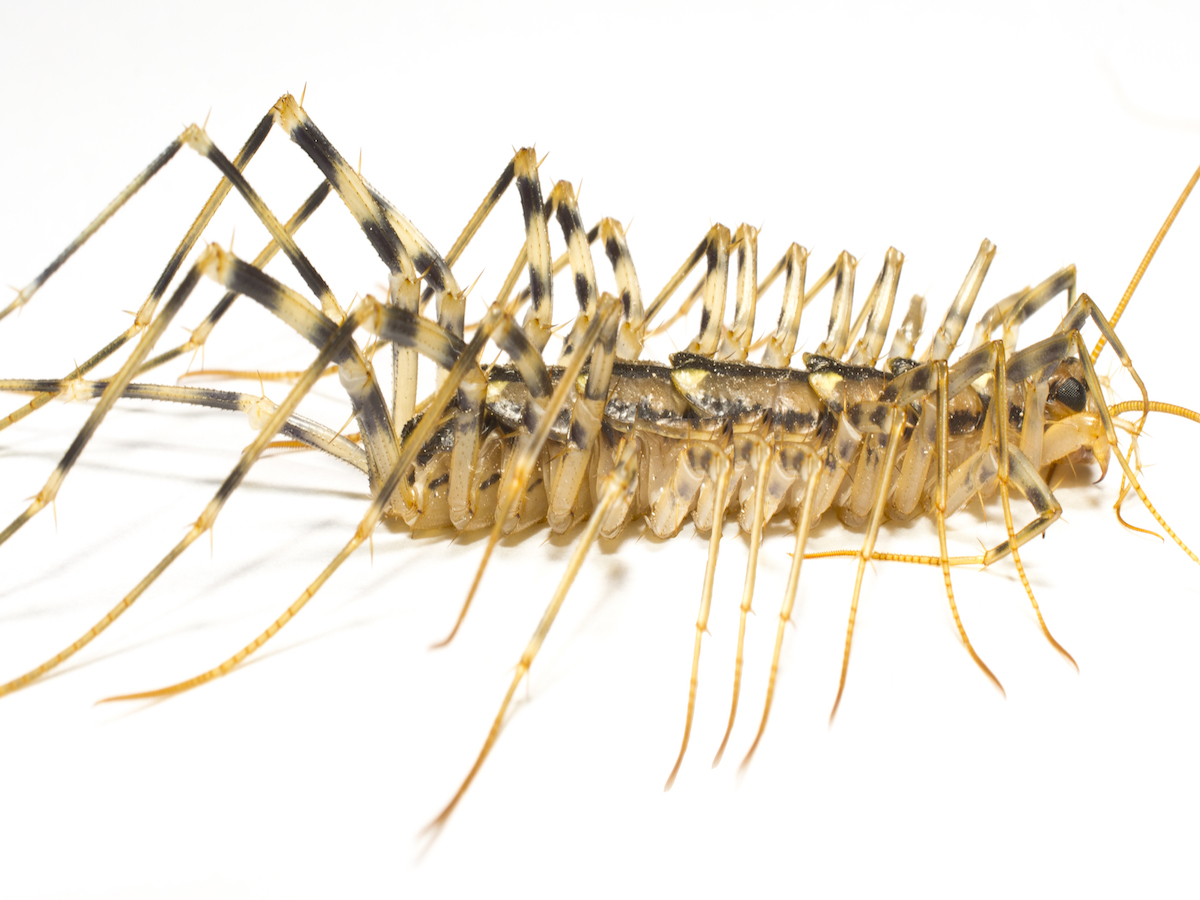
Credit: www.pestworld.org
How Many Legs Does a House Centipede Have?
The number of legs on a house centipede is one of its most special features. You might think all centipedes have the same number of legs. But that is not true. The number can change as the centipede grows.
When a house centipede is born, it has fewer legs. As it grows older, it gains more legs. An adult house centipede usually has 15 pairs of legs. This means it has 30 legs in total. Yes, that is a lot of legs for a small creature!
Each pair of legs is attached to one of its body segments. This helps the centipede move quickly. The legs are long and thin. They look like tiny arms and help the centipede run fast on walls and floors.
Why So Many Legs?
You might wonder why a house centipede needs so many legs. The many legs help it move fast. It can catch its prey quickly. Also, having many legs helps the centipede climb walls and ceilings. It can hide from danger very well.
Body Parts of a House Centipede
Let’s learn about the parts of a house centipede’s body. It has three main parts:
- Head: The head has eyes and antennae. It helps the centipede see and feel around.
- Body segments: The body is divided into many parts. Each part has one pair of legs.
- Tail legs: The last legs are longer. They help the centipede sense danger and move quickly backward.
All these parts work together to help the centipede survive.
How Does a House Centipede Grow Its Legs?
When a house centipede hatches, it has only a few legs. It does not have 30 legs at first. As it grows, it molts. Molting means shedding its old skin. After molting, the centipede grows more legs. This happens many times until it becomes an adult.
So, the number of legs increases with each molt. Finally, the adult house centipede has 30 legs.
Interesting Facts About House Centipedes
House centipedes are very interesting. Here are some cool facts:
| Fact | Description |
|---|---|
| Speed | House centipedes can run very fast, up to 1 foot per second. |
| Leg Use | The front legs are used like antennae to feel around. |
| Hunting | They eat insects like spiders and flies in your house. |
| Lifespan | House centipedes live for about 3 to 7 years. |
| Defense | They can bite small insects but rarely bite humans. |
What Does Having Many Legs Mean for the House Centipede?
Having many legs helps the house centipede in many ways:
- Fast Movement: It can escape quickly from enemies.
- Climbing: It can climb walls and ceilings easily.
- Balance: Many legs help it stay balanced.
- Hunting: It moves fast to catch prey.
These legs are very important for its survival.

Credit: www.extension.iastate.edu
How to Identify a House Centipede
If you want to know if a bug is a house centipede, look for these signs:
- Long, thin body with many legs.
- Usually yellow or brown color with dark stripes.
- Very fast movement.
- Long legs that stick out from the sides.
- Prefers dark and damp places.
Remember, house centipedes are not harmful. They help control other bugs.
How to Handle House Centipedes
If you find a house centipede in your home, you do not need to worry. They are not dangerous. But if you want to remove them, here are some tips:
- Catch it gently with a jar and release it outside.
- Keep your house dry and clean to avoid attracting them.
- Seal cracks and holes where they can enter.
- Use sticky traps if you want to catch them.
These steps can help you live comfortably with or without house centipedes.
Frequently Asked Questions
How Many Legs Does A House Centipede Have?
A house centipede has 15 pairs of legs, totaling 30 legs. Its many legs help it move quickly and catch prey.
Why Do House Centipedes Have So Many Legs?
House centipedes have many legs to run fast and catch insects. More legs also help them climb walls easily.
Are All Centipedes Equipped With The Same Number Of Legs?
No, centipedes have different leg counts depending on species. House centipedes specifically have 30 legs.
Do House Centipedes Use All Legs For Walking?
Most legs are for walking, but the last pair helps catch prey. They can move very fast using these legs.
Conclusion
Now you know the answer: a house centipede has about 30 legs. These legs grow as it becomes an adult. The many legs help it move fast and catch food. House centipedes are helpful insects, not dangerous. They live in dark, damp places inside homes.
Next time you see a fast bug with many legs, you will know it is a house centipede. They are a part of nature and help keep homes free from other pests. Understanding them can make you less scared and more curious about the little creatures around you.