
Centipedes can be scary for many people. They move fast and have many legs. When you find them inside your home, you want to get rid of them quickly. One natural way people try is using diatomaceous earth. But does diatomaceous earth kill centipedes? Let’s find out.
:strip_icc()/bhg-how-to-get-rid-of-ants-naturally-03_2g6YsaQmKnhAvSa2ipi5qN-7d7f9b7fd12f42b2ab39039adcb17375.jpg)
Credit: www.bhg.com
What Is Diatomaceous Earth?
Diatomaceous earth is a powder. It comes from tiny fossils of water plants called diatoms. These fossils are very old and have sharp edges, even if you can’t see them. The powder looks like white dust. People use it for many things, including pest control.
How Does Diatomaceous Earth Work?
The powder works by scratching the outer layer of insects. This layer is called the exoskeleton. When the powder touches the insect, it causes small cuts. These cuts make the insect dry out and die. The insect loses water and cannot survive.
Diatomaceous earth works best when it is dry. If it gets wet, it loses its power. That is why people use it in dry places.
Credit: michellehirsch.com
What Are Centipedes?
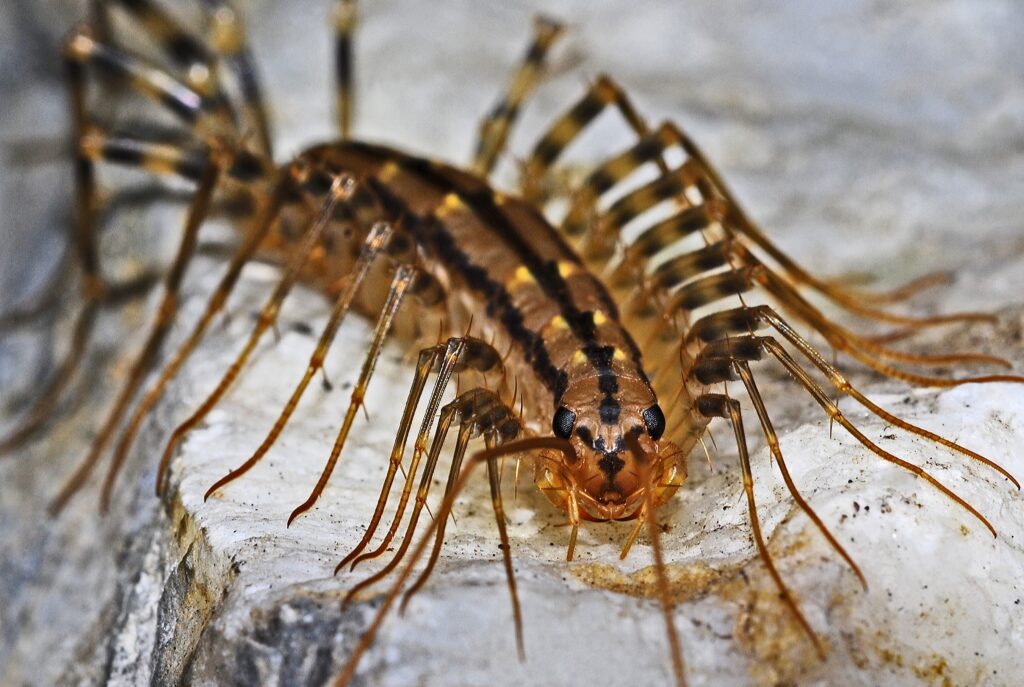
Centipedes are long bugs with many legs. They have one pair of legs on each body part. Centipedes can be small or very long. They like dark and wet places. You can find them in basements, bathrooms, or under rocks.
Centipedes eat other insects. They help control pests like spiders and cockroaches. But many people do not want them inside their homes. They can bite if they feel scared. The bite can hurt but is not usually dangerous.
Does Diatomaceous Earth Kill Centipedes?
Yes, diatomaceous earth can kill centipedes. But it may not work fast. The powder works by drying the centipede’s body. This takes time. The centipede must walk over the powder for it to work well.
If the centipede does not touch the powder, it will not be harmed. Also, if the powder is wet, it will not kill the centipede. So, it is important to put diatomaceous earth in dry areas where centipedes travel.
How To Use Diatomaceous Earth For Centipedes
Here are simple steps to use diatomaceous earth for centipedes:
- Find where centipedes live or move. Look in basements, corners, and under furniture.
- Make sure the area is dry. Wet powder will not work well.
- Sprinkle a thin layer of diatomaceous earth. Spread it in places where you see centipedes.
- Leave the powder undisturbed. Do not clean it away quickly.
- Reapply after cleaning or if the powder gets wet. Keep the powder dry and fresh.
Is Diatomaceous Earth Safe?
Diatomaceous earth is safe for humans and pets when used correctly. It is a natural powder. But you should avoid breathing the dust. It can irritate your lungs. Use a mask if you are applying a lot of powder.
Also, avoid putting it near food or where children can touch it. Always read the label and use food-grade diatomaceous earth for pest control. Do not use pool-grade diatomaceous earth inside your home. It can be harmful.
Other Ways to Control Centipedes
Using diatomaceous earth is helpful. But you can also try other ways to stop centipedes:
- Keep your home dry. Fix leaks and use a dehumidifier.
- Remove clutter. Centipedes like hiding in piles of leaves or boxes.
- Seal cracks and holes. Close entry points where centipedes can come in.
- Use sticky traps. Place them in areas where centipedes travel.
- Vacuum regularly. This removes centipedes and their food.
How Long Does It Take for Diatomaceous Earth to Work?
Diatomaceous earth does not kill centipedes immediately. It can take a few days. The centipede must walk through the powder. The powder then damages its body. The insect dries out and dies slowly.
Patience is important. Keep the powder in place for at least a week. Check the areas and add more powder if needed.
What Are the Benefits of Using Diatomaceous Earth?
There are many good reasons to use diatomaceous earth for centipedes:
- Natural and chemical-free. It is safe when used properly.
- Works on many insects. Besides centipedes, it kills ants, spiders, and roaches.
- Long-lasting. It stays active if kept dry.
- Easy to apply. Just sprinkle the powder where needed.
Limitations of Diatomaceous Earth
Even though diatomaceous earth is useful, it has some limits:
- Works slowly. It takes days to kill centipedes.
- Needs dry conditions. Wet powder loses its effect.
- Must touch the pest. If centipedes avoid the powder, it won’t work.
- Not a quick fix. You may need other methods too.
Summary Table: Diatomaceous Earth and Centipedes
| Feature | Details |
|---|---|
| Type | Natural powder from fossilized plants |
| How It Kills | Scratches and dries out centipedes’ bodies |
| Speed | Kills centipedes slowly, over days |
| Best Conditions | Dry areas where centipedes walk |
| Safety | Safe for humans and pets if used carefully |
| Limitations | Needs contact and dryness to work well |
Final Thoughts
Diatomaceous earth can kill centipedes. It is a natural and safe option. But it works slowly and needs dry conditions. To be successful, spread the powder in places centipedes travel. Do not forget to keep the powder dry and reapply if needed.
Combine diatomaceous earth with other methods like sealing cracks and reducing moisture. This will help keep your home free of centipedes. With patience and care, you can control these insects naturally.
Frequently Asked Questions
Does Diatomaceous Earth Really Kill Centipedes?
Diatomaceous earth kills centipedes by damaging their outer shell. It dries them out, causing death in a few days. It works best when centipedes walk over it.
How Safe Is Diatomaceous Earth For Home Use?
Food-grade diatomaceous earth is safe for humans and pets. It is non-toxic and chemical-free. Avoid inhaling the dust to protect your lungs.
How Long Does Diatomaceous Earth Take To Kill Centipedes?
It usually takes 2 to 4 days to kill centipedes. The longer they contact the powder, the faster they die. Reapply if the powder gets wet or cleaned away.
Can Diatomaceous Earth Prevent Centipede Infestations?
Yes, diatomaceous earth can help prevent centipedes by creating a barrier. Spread it around entry points and dark areas where centipedes hide. It reduces their chance to enter your home.