
Ticks are tiny creatures that many people find scary. They live outside and can bite animals and people. Many wonder, how long can ticks live without food? This question is important. It helps us understand how ticks survive and how to protect ourselves.
What Are Ticks?
Ticks are small bugs. They are not insects, but they are close to spiders. They have eight legs. Ticks live in grass, bushes, and forests. They wait for an animal or person to walk by. Then, they climb on and bite to drink blood.
Blood is their only food. Without it, ticks cannot live well. But how long can they last without eating?
.2411140916087.png)
Credit: www.nativepestmanagement.com
Why Do Ticks Need Blood?
Ticks need blood to grow and lay eggs. They use blood to get energy. Without blood, ticks cannot grow from babies to adults.
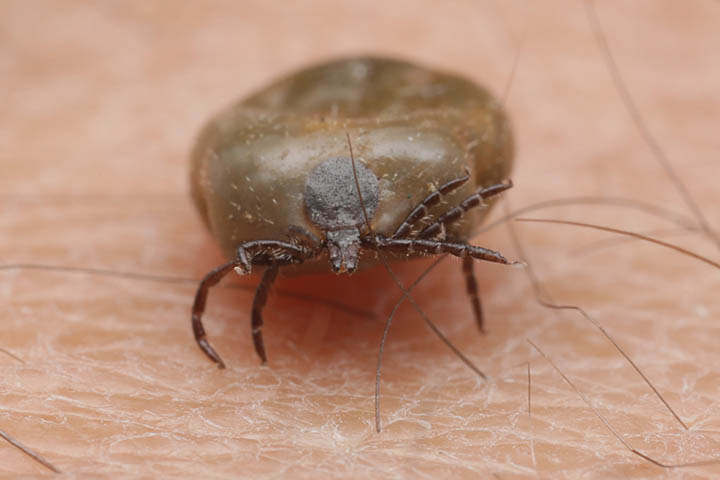
When a tick bites, it can stay attached for days. It drinks blood slowly. After feeding, ticks drop off and rest until they need blood again.
Credit: www.pestworldforkids.org
How Long Can Ticks Live Without Food?
The answer is: it depends. Different ticks live different times without food. Several things affect this:
- Tick species
- Stage of life
- Temperature and humidity
Tick Species
Some ticks can live a long time without food. Others cannot. For example, the blacklegged tick (also called deer tick) can live for months without blood. The American dog tick can survive for a shorter time without food.
Life Stage Of Ticks
Ticks have four stages: egg, larva, nymph, and adult. Each stage needs blood to move to the next. Larvae need one blood meal, then they grow into nymphs. Nymphs need blood to become adults. Adults need blood to lay eggs.
Young ticks can live shorter without food. Adults can survive longer. Some adult ticks can live a year or more without feeding.
Temperature And Humidity
Ticks like warm and moist places. If it is very hot or dry, ticks may die faster without food. Cold weather can slow their body, so they live longer without eating.
How Long Can Ticks Survive Without Food? Examples
| Tick Type | Life Stage | Survival Time Without Food |
|---|---|---|
| Blacklegged Tick (Deer Tick) | Adult | Up to 2 years |
| American Dog Tick | Adult | Several months |
| Lone Star Tick | Nymph | Several months |
| Brown Dog Tick | Adult | Up to 1 year |
As you see, ticks can survive many months without food. Some even live more than a year waiting for a host.
How Do Ticks Survive So Long Without Food?
Ticks have special ways to save energy. When they are not feeding, they stay still. They do not move much to save power. Their bodies slow down. This helps them live longer without blood.
Also, ticks can hold water inside their bodies. This helps them not dry out when it is hot or dry outside.
Why Is Knowing This Important?
Knowing how long ticks live without food helps us in many ways:
- We know how long ticks can live in our homes or yards
- We understand how dangerous ticks are when left alone
- We learn how to protect pets and family from tick bites
How To Protect Yourself From Ticks
Since ticks can live long without food, they stay in places for a long time. Here are some easy ways to protect yourself:
- Wear long sleeves and pants when outside
- Use tick repellent on skin and clothes
- Check your body and clothes after being outside
- Keep your yard clean and cut the grass
- Remove ticks quickly if found on skin
How To Remove a Tick Safely
If a tick bites you, remove it carefully. Use fine tweezers. Grab the tick close to the skin. Pull it out slowly and straight. Do not squeeze or twist the tick. After removal, clean the area with soap and water.
Do not use home remedies like burning or covering ticks with oil. These can make the tick release more germs.
Summary: How Long Can Ticks Live Without Food?
- Ticks need blood to grow and lay eggs
- They can live many months or even years without feeding
- Life stage, species, and weather affect survival time
- Ticks save energy by staying still and slowing down
- Protect yourself by wearing clothes and checking for ticks
Ticks are tough and patient. They wait long for their next meal. Knowing this helps us stay safe. Watch out for ticks when you go outside. Keep your family and pets safe from bites.