
Ticks are small bugs that can stick to your dog’s skin. Sometimes, they hide well. You may wonder, what does a buried tick look like on a dog? This article will help you find out how to spot these hidden pests. Understanding what to look for can keep your dog safe and healthy.
What Is a Buried Tick?
A buried tick is a tick that has attached itself tightly to your dog’s skin. It pushes its head and mouth parts under the skin. This makes it look like it is “buried” inside the dog’s skin. The tick stays there to feed on your dog’s blood.
Ticks start small, but they grow larger as they drink blood. Sometimes, they are hard to see because they hide under your dog’s fur or skin folds.
How Big Is a Buried Tick?
Ticks are very small when they first attach. They can be as tiny as a poppy seed. After feeding, they can grow as big as a pea. This means the size can change a lot.
| Stage | Size | Description |
|---|---|---|
| Before Feeding | 1-2 mm | Very small, looks like a dark dot |
| After Feeding | 5-10 mm | Swollen, round, and easier to see |

Credit: bubblepawz.com.au
Where Do Buried Ticks Hide on Dogs?
Ticks love warm, soft areas on your dog. They hide where the skin is thin. These places are easy to find ticks:
- Between the toes
- Under the collar
- Behind the ears
- Under the tail
- Inside skin folds
- Around the neck
Look carefully in these spots. Ticks can hide well in fur, so part the hair to check the skin.
What Does a Buried Tick Look Like?
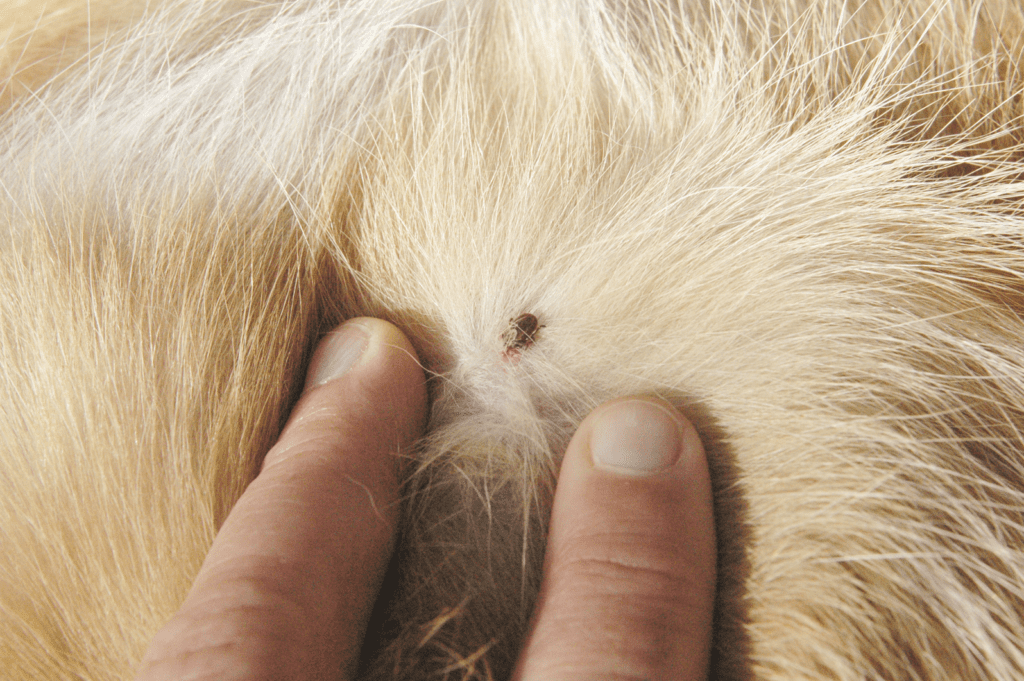
At first, a tick looks like a small black or brown spot. It may look like a mole or a dark freckle. But a tick is different because it is raised from the skin.
When the tick is buried, you might only see its back or body. The head and mouth parts are under the skin, so you can’t see them.
Here are some signs of a buried tick:
- Small dark bump: It can be black, brown, or gray.
- Raised spot: The bump sticks out a little.
- Round shape: Ticks are often oval or round.
- Hard texture: The tick feels firm, not soft like a mole.
If you touch the tick gently, you may feel it moving. But be careful. Do not squeeze it hard. This can cause the tick’s body to burst.
How to Tell a Tick from a Mole or Dirt
Sometimes, it is hard to tell a tick from other spots. Here are some tips:
- Look closely: Ticks have tiny legs. You might see them if you look well.
- Check if it moves: Ticks can move their legs when touched.
- Try to pull gently: If it is a tick, it will not come off easily.
- Check for changes: A tick grows bigger after feeding.
Why Is It Important to Find Buried Ticks?
Ticks can cause health problems for your dog. They can spread diseases and cause infections. Some problems ticks cause are:
- Tick fever
- Lyme disease
- Anemia from blood loss
- Skin infections
If a tick stays on your dog for many days, it can make your dog sick. It is important to find and remove ticks quickly.
How to Check Your Dog for Buried Ticks
Check your dog often, especially after walks in tall grass or wooded areas. Here is how to do it:
- Brush your dog’s fur to remove loose dirt.
- Use your fingers to feel for small bumps.
- Part the fur to see the skin clearly.
- Look closely at common hiding spots.
- If you see a tick, note its size and color.
Regular checks help catch ticks before they cause problems.
How to Remove a Buried Tick Safely
Removing a tick properly is very important. Here is a simple way to do it:
- Get a pair of fine-tipped tweezers.
- Wear gloves if possible to protect your hands.
- Grab the tick close to your dog’s skin.
- Pull the tick straight out slowly and steadily.
- Do not twist or squeeze the tick’s body.
- Clean the bite area with soap and water.
- Dispose of the tick by putting it in alcohol or flushing it.
If you are unsure, ask your vet to remove the tick.
Credit: www.whole-dog-journal.com
What If a Tick Is Buried Too Deep?
Sometimes, part of the tick’s mouth stays in the skin. This can cause a bump or infection. If you see a small sore or lump after removing a tick, watch it closely.
If the area gets red, swollen, or painful, visit your vet. They can treat any infection and remove leftover tick parts.
How to Prevent Ticks on Your Dog
Preventing ticks is better than removing them. Here are some simple tips:
- Use tick prevention medicines from your vet.
- Keep your yard clean and free of tall grass.
- Check your dog after every outdoor walk.
- Avoid areas with many ticks if possible.
- Wash your dog’s bedding regularly.
These steps help keep your dog safe and tick-free.
Summary: How to Spot a Buried Tick on a Dog
To spot a buried tick, look for small dark bumps on your dog. Check warm, soft areas with thin skin. A tick looks like a tiny raised spot. It may be black or brown and round. Ticks grow bigger after feeding. They do not move much but have tiny legs. Check your dog often. Remove ticks carefully with tweezers. Prevent ticks by using medicine and cleaning your yard.
Finding a buried tick early can protect your dog’s health. Be patient and watch closely. Your dog will thank you for it.