
Ticks are small bugs that can bite people and animals. They feed on blood. When ticks bite, they stick to the skin and suck blood. Over time, they get bigger. This is called becoming engorged. But how long does this take? Let’s learn more about ticks and their feeding time.
What Does Engorged Mean?
When a tick bites, it starts to drink blood. At first, it is very small. As it drinks more blood, its body grows. This is called engorgement. The tick becomes larger and rounder. The color might change too. Engorged ticks look very different from ticks that have not fed yet.
How Long Does It Take for a Tick to Become Engorged?
The time for a tick to become engorged depends on the type of tick. Different ticks feed for different amounts of time. Usually, ticks take 3 to 7 days to become fully engorged. Some ticks may take longer or shorter.
- Hard ticks: These ticks bite and stay on the host for several days.
- Soft ticks: They feed quickly, often in less than an hour.
Most ticks you find on people are hard ticks. They feed slowly and get bigger over days.
Stages of Tick Feeding
Tick feeding happens in stages. Each stage takes time:
- Finding a spot: The tick looks for a good place to bite.
- Attaching: The tick sticks its mouth into the skin.
- Slow feeding: The tick drinks a little blood slowly.
- Rapid feeding: The tick drinks more blood quickly.
- Engorged: The tick is full and drops off.
The slow feeding can take 2 to 3 days. Then the tick feeds faster and becomes engorged.
Factors That Affect Tick Feeding Time
Several things can change how fast ticks get engorged. These include:
- Tick species: Different ticks feed at different speeds.
- Host type: Ticks feed faster on some animals than others.
- Host immune response: Some hosts fight the tick bite, slowing feeding.
- Environment: Temperature and humidity can affect feeding speed.
Because of these factors, feeding time is not always the same.
What Happens When a Tick Is Engorged?
When a tick becomes engorged, it has had enough blood. It will drop off the host. After dropping, the tick will rest and digest the blood.
Female ticks use the blood to lay eggs. This is important for tick reproduction. After laying eggs, female ticks die. Male ticks often feed less and do not get as engorged.
Why Is It Important to Know Tick Feeding Time?
Ticks can carry diseases. Some diseases can pass to people or animals through tick bites. The longer a tick feeds, the higher the chance to pass disease.
Knowing how long ticks feed helps to prevent illness. For example, if you find a tick quickly and remove it, you can lower the chance of disease. Ticks need time to spread some diseases. Removing ticks early helps protect health.
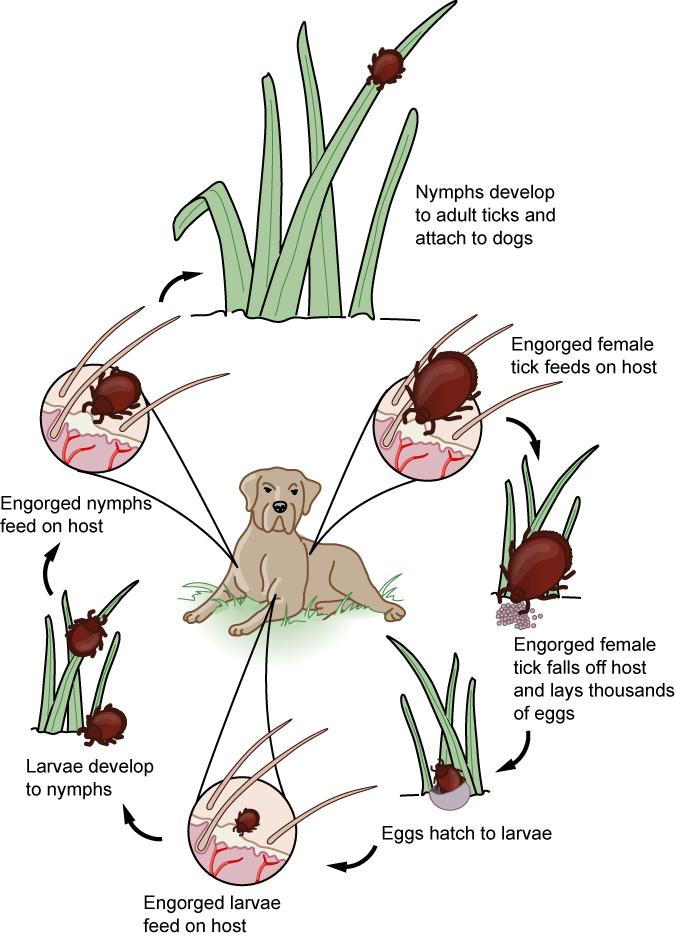
Credit: hillviewvet.com
How to Check for Ticks and Remove Them Safely
If you spend time outside, check your body for ticks. They hide in warm, moist places. Common spots are:
- Behind ears
- Under arms
- Around the waist
- Between legs
- Back of knees
To remove a tick:
- Use fine-tipped tweezers.
- Grab the tick close to the skin.
- Pull straight up slowly and firmly.
- Do not twist or squeeze the tick.
- Clean the bite area with soap and water.
Remove ticks as soon as you find them. This lowers the chance the tick is engorged.
Common Types of Ticks and Their Feeding Times
| Tick Type | Engorgement Time | Notes |
|---|---|---|
| Black-legged tick (Deer tick) | 3 to 5 days | Common carrier of Lyme disease |
| American dog tick | 5 to 7 days | Feeds on dogs and humans |
| Lone star tick | 4 to 6 days | Known for aggressive biting |
| Soft ticks | Minutes to 1 hour | Feed quickly, often at night |
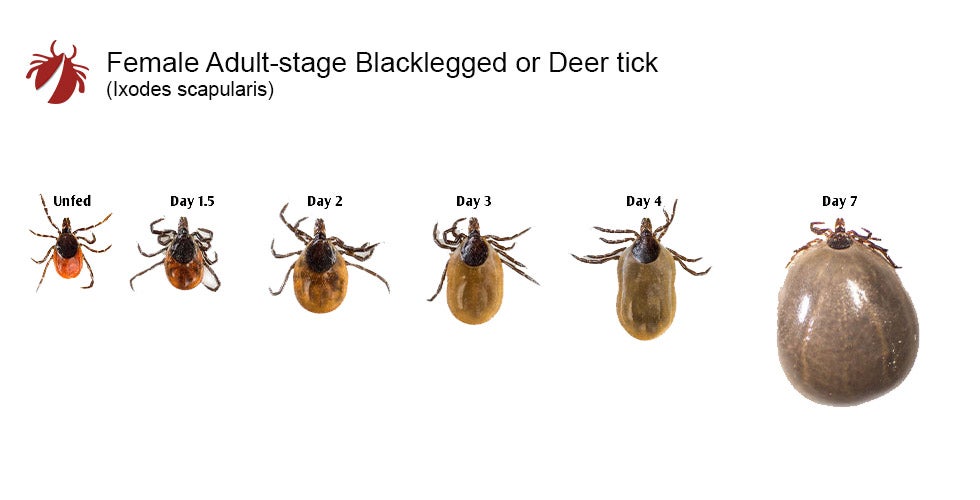
Credit: web.uri.edu
Signs That a Tick Is Engorged
You can tell if a tick is engorged by looking at it. Here are signs:
- Body size is much bigger than normal.
- Body is round and swollen.
- Color changes from brown to gray or blue.
If you see these signs, the tick has fed for a while.
Why Do Ticks Take So Long to Feed?
Ticks feed slowly for a reason. They want to stay attached without being noticed. Slow feeding helps the tick avoid detection. The tick also releases substances that stop pain and itching. This helps the tick feed longer.
The slow feeding time also helps the tick get enough blood for its needs.
Conclusion
Ticks become engorged after feeding on blood. This usually takes 3 to 7 days for hard ticks. Soft ticks feed much faster. Knowing how long ticks feed helps protect against disease. Always check your body after being outdoors. Remove ticks quickly and carefully. This helps keep you safe from tick bites and illness.
Remember, ticks need time to get engorged. The sooner you remove them, the better. Stay safe and stay aware of ticks!