
Many people worry about ticks on their dogs. But what does a dog tick look like? Learning to spot ticks can keep your pet safe. This article will help you identify dog ticks easily.
Why Is It Important to Recognize a Dog Tick?
Ticks can cause health problems for dogs. They can carry diseases and make dogs very sick. If you find a tick early, you can remove it quickly. This stops infections and keeps your dog healthy.
Knowing what a tick looks like helps you check your dog better. You can look closely after walks or outdoor play. This small step can protect your dog a lot.
Basic Appearance of a Dog Tick
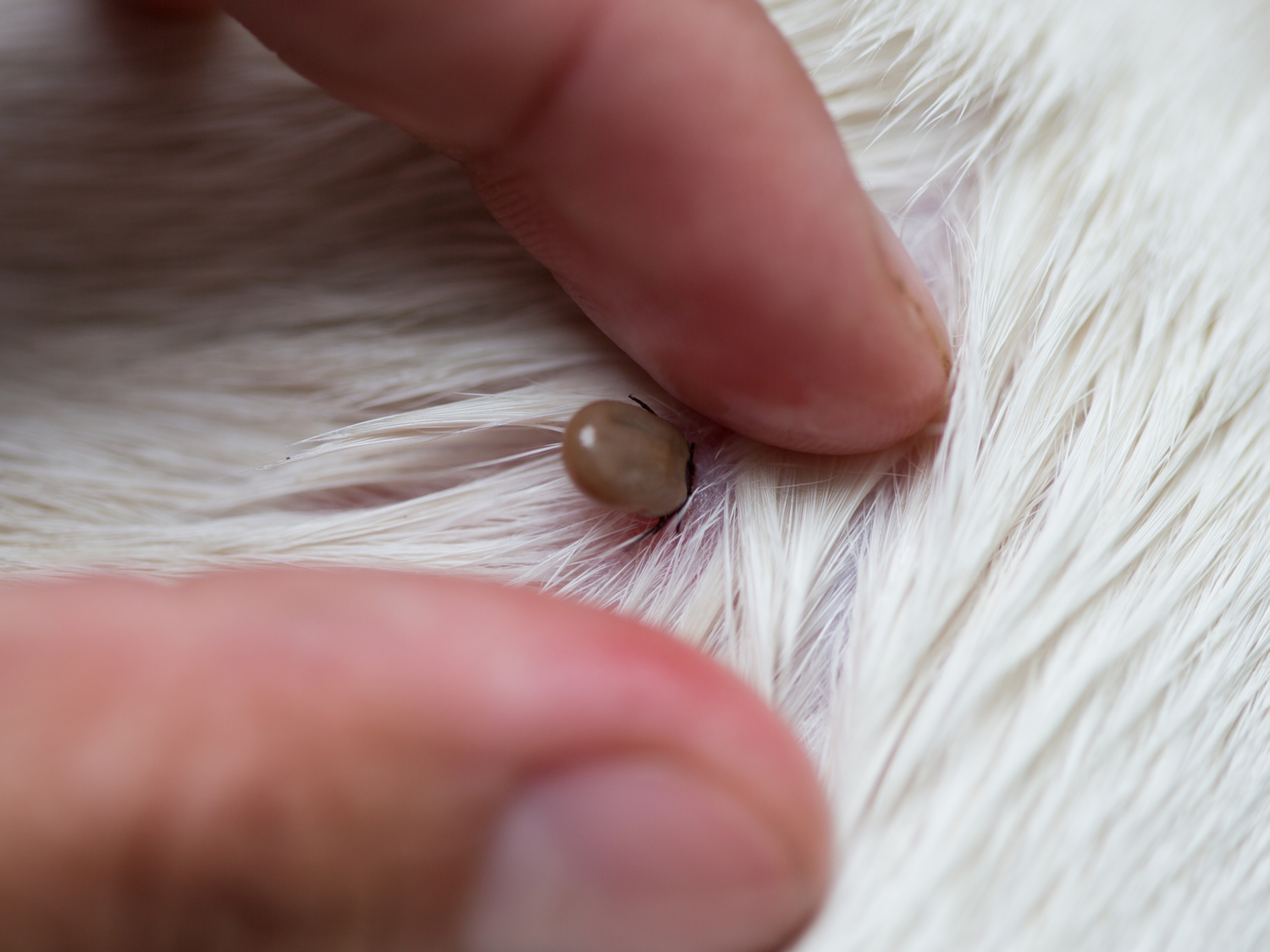
Dog ticks are very small bugs. When they are not full, they are about the size of a sesame seed. When they have fed on blood, they get bigger. They can grow to the size of a small pea.
Ticks have eight legs. They do not have wings or antennae. Their bodies are hard and flat before feeding. After feeding, their bodies become soft and round.
Body Shape
The dog tick’s body is oval or round. The front part has a small shield called a scutum. This shield is hard and protects the tick.
When the tick fills with blood, the back part swells. It looks much larger and rounder.
Color
Dog ticks can be different colors. Usually, they are brown or reddish-brown. Some ticks have darker or lighter spots on their backs. The color can change when they feed.
Different Types of Dog Ticks
There are many kinds of ticks. But two types commonly bite dogs. These are the American dog tick and the brown dog tick.
| Type of Tick | Size (Unfed) | Color | Special Features |
|---|---|---|---|
| American Dog Tick | About 3 to 5 mm | Brown with white or yellow spots | Large shield on back; spots on sides |
| Brown Dog Tick | About 3 mm | Light to reddish brown | Plain brown color; no spots |
American Dog Tick
This tick is common in many parts of the U.S. It has a big shield on its back. This shield has white or yellow marks. The body is brown between the spots. When unfed, it looks flat.
After feeding, it swells up. The white spots remain on the sides. The tick looks larger and rounder.
Brown Dog Tick
The brown dog tick is smaller than the American dog tick. It has a plain brown body. No spots or patterns appear on its back. It can live indoors and outdoors.
After feeding, it also swells. The color stays brown but may look darker.
Life Stages of a Dog Tick
Ticks have four life stages. Each stage looks a bit different. The stages are:
- Egg
- Larva
- Nymph
- Adult
Most people see adult ticks or nymphs on dogs. Knowing what each stage looks like helps you find ticks faster.
Larva
The larva is very small. It is about 1 mm long. It has six legs. The larva looks like a tiny spider. It is light-colored and hard to see.
Nymph
The nymph is bigger than the larva. It has eight legs. It is about 1.5 to 2 mm long. The nymph looks like a small tick but lighter in color.
Adult Tick
The adult tick is the biggest stage. It has eight legs and a hard body. Males are smaller than females. Females get very big when full of blood.
Credit: www.vets-now.com
Where to Look for Dog Ticks on Your Pet
Ticks like warm, hidden places on dogs. They attach to skin and feed on blood.
Here are common places to check:
- Inside ears
- Neck and collar area
- Between toes
- Under the tail
- Around the eyes
- Under the front legs
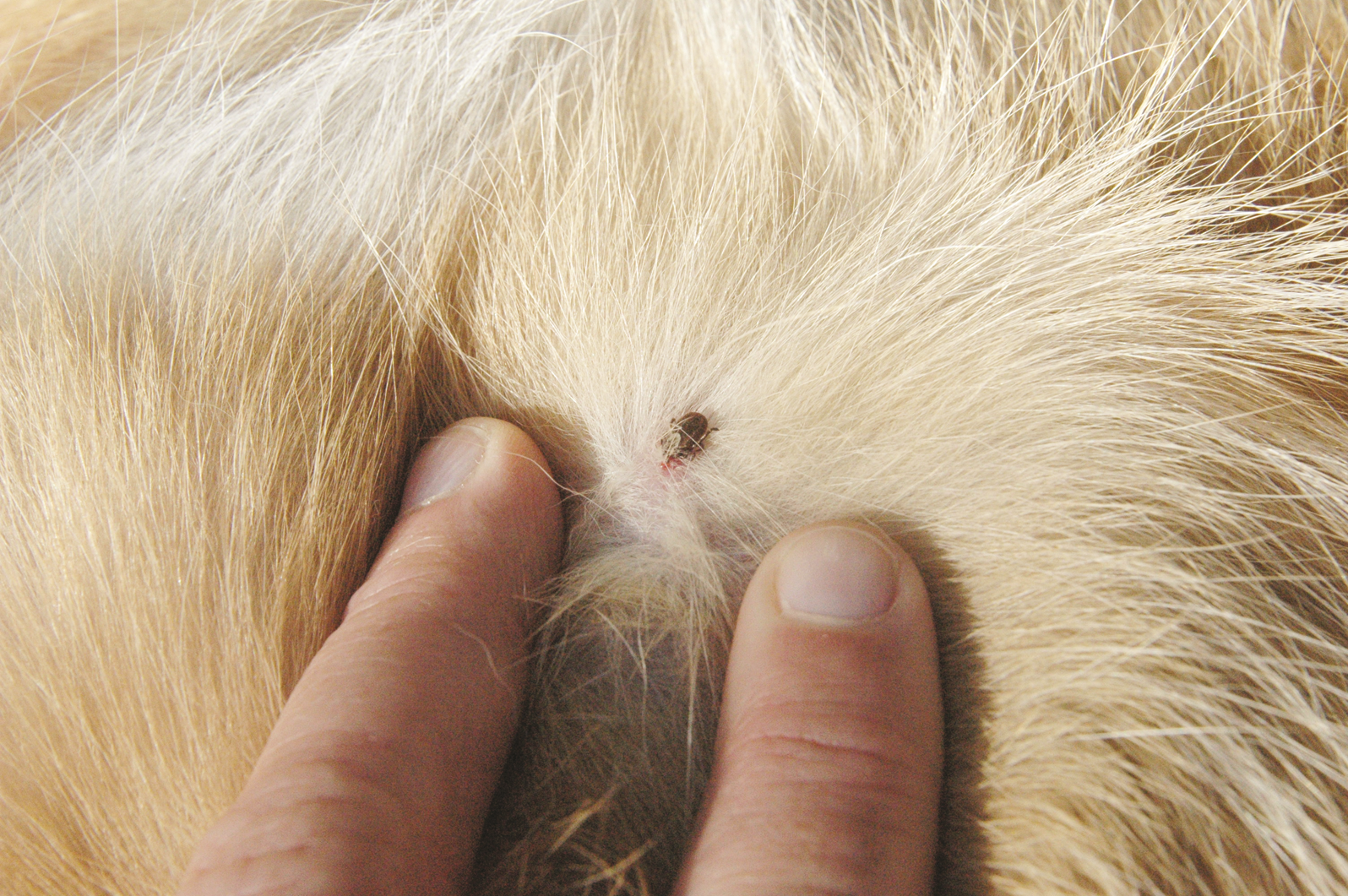
Ticks can hide in thick fur. Use your fingers to feel for bumps. Look carefully after walks outdoors.
How to Spot a Dog Tick on Close Look
Use a bright light and a magnifying glass if you have one. Look for:
- A small dark spot on the skin
- Eight small legs
- A hard, oval body
- A swollen, round body if it has fed
Ticks do not move quickly. They stay attached firmly.
Common Mistakes When Identifying Dog Ticks
People sometimes confuse ticks with other bugs or dirt. Here are common mistakes:
- Thinking a tick is just a flea or beetle
- Missing very small larva or nymph ticks
- Overlooking ticks in thick fur
- Confusing skin lumps with ticks
Take your time and check your dog carefully.
Why Dog Ticks Look Different After Feeding
Before feeding, ticks are small and flat. They look like tiny seeds. After feeding, their bodies swell. Blood fills their body, making them larger.
The color may change too. It can get darker or lighter. The shape becomes rounder and softer.
This change helps you know if a tick has been there long.
Credit: www.whole-dog-journal.com
Summary: How to Recognize a Dog Tick
Here are quick points to remember:
- Ticks are small bugs with eight legs.
- They have a hard, oval-shaped body.
- Color is usually brown or reddish.
- Two main types: American dog tick and brown dog tick.
- They swell and change shape after feeding.
- Check common hiding spots on your dog.
Final Tips
Look at your dog’s skin often. Check especially after outdoor walks. Use your fingers to feel for bumps. Use a magnifying glass if you can.
If you find a tick, remove it carefully. Use tweezers and pull straight out. Avoid crushing the tick’s body.
Regular checks keep your dog safe from diseases.