
If your dog has a tick bite, you want to act fast to keep them safe and comfortable. Ticks can cause itching, irritation, and even serious health problems.
But don’t worry—you’re not alone, and there are simple steps you can take right now to help your furry friend heal quickly. You’ll learn how to spot tick bites, treat them effectively, and prevent future problems. Keep reading to protect your dog and give them the care they deserve.
Credit: www.riverlandingsanimalclinic.com
Identifying Tick Bites
Identifying tick bites on dogs is important for their health. Ticks carry diseases that can harm your pet. Early detection helps prevent serious problems. Knowing what to look for saves time and stress.
Common Signs On Dogs
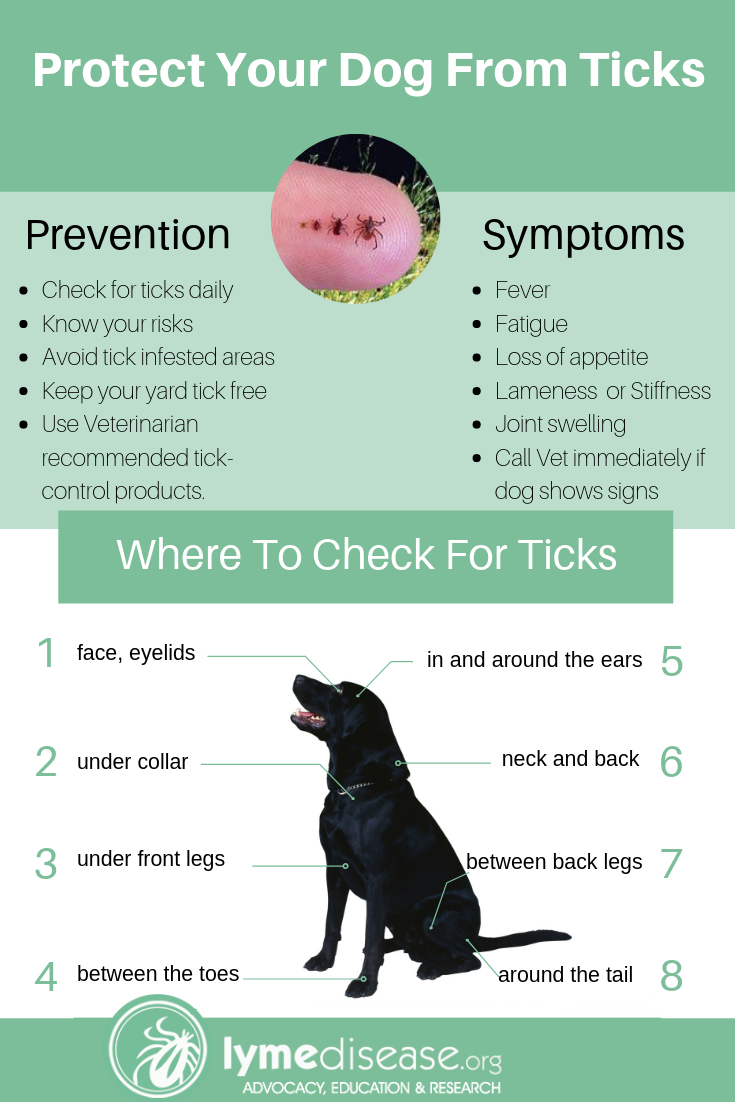
Look for small red bumps on your dog’s skin. These bumps may be itchy or swollen. Your dog might scratch or lick the area often. Sometimes, a tick stays attached and looks like a small bump. Check behind ears, under legs, and around the neck. These spots are favorite places for ticks.
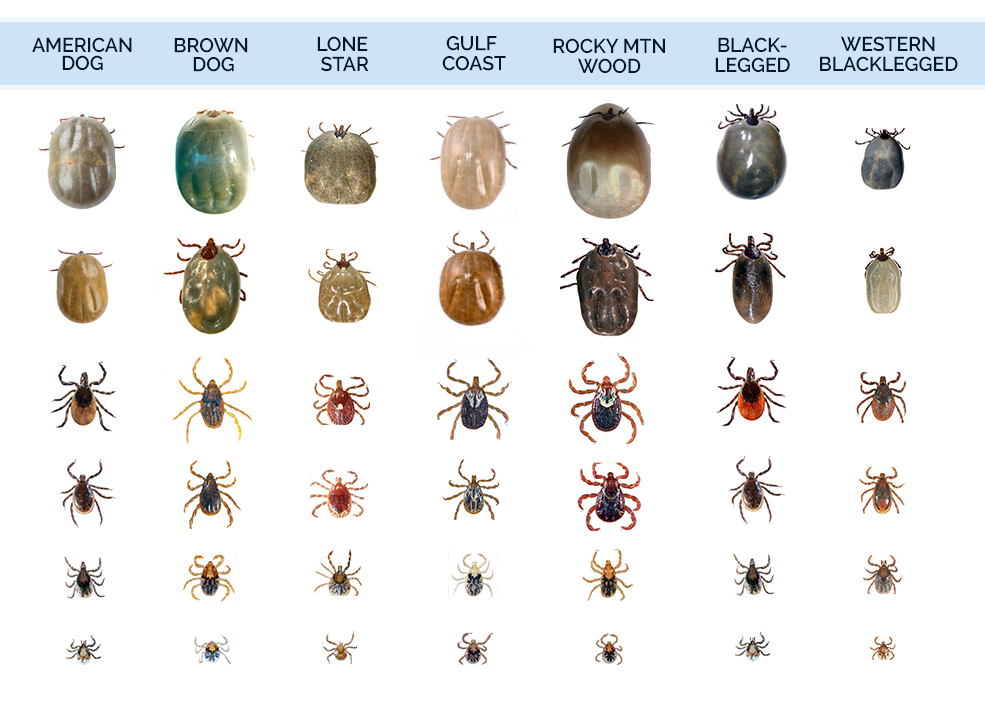
Tick Species To Watch
Several tick types affect dogs. The black-legged tick spreads Lyme disease. The American dog tick is larger and brownish. The brown dog tick is small and reddish-brown. Each species has different risks and habitats. Knowing these ticks helps in quick removal and care.
Removing Ticks Safely
Removing ticks safely from your dog is important to avoid infection and discomfort. Ticks can carry diseases, so careful removal helps keep your dog healthy. You need the right tools and a calm approach. Follow clear steps to remove the tick completely. Avoid common mistakes that can make the problem worse.
Tools You Need
- Tweezers or a tick removal tool
- Gloves to protect your hands
- Antiseptic solution
- Small container or sealed bag
- Soap and water
- Disinfectant wipes
Step-by-step Removal Guide
- Put on gloves before touching the tick.
- Use tweezers to grasp the tick close to the skin.
- Pull the tick straight out with steady, even pressure.
- Do not twist or jerk the tick during removal.
- Place the tick in a container for identification if needed.
- Clean the bite area with antiseptic solution.
- Wash your hands and the tools with soap and water.
- Monitor your dog for any signs of illness or infection.
What To Avoid During Removal
- Do not squeeze or crush the tick’s body.
- Avoid using bare fingers to remove the tick.
- Do not apply heat, petroleum jelly, or chemicals.
- Never try to burn the tick off your dog.
- Do not leave parts of the tick embedded in the skin.
Cleaning The Bite Area
Cleaning the bite area is the first step after removing a tick from your dog. It helps stop infections and soothes the skin. Proper care can prevent problems and keep your dog healthy.
Choosing The Right Antiseptic
Select an antiseptic that is safe for dogs. Iodine solution or chlorhexidine works well. Avoid harsh chemicals like hydrogen peroxide. These can irritate the skin and slow healing. Use a mild antiseptic to clean gently and effectively.
Proper Cleaning Techniques
Start by washing your hands thoroughly. Use a clean cloth or cotton ball dipped in antiseptic. Dab the bite area softly to remove dirt and germs. Do not rub hard to avoid hurting the skin. Let the area air dry or pat it gently with a clean towel. Repeat cleaning twice a day until the bite looks better.

Credit: www.doncastervet.com.au
Treating Tick Bite Reactions
Tick bites can cause different reactions in dogs. Some dogs show mild irritation. Others may have allergic responses. Treating these reactions quickly helps your dog feel better fast. It also prevents infections and other problems.
Recognizing Allergic Responses
Watch your dog closely after a tick bite. Swelling around the bite is common. Redness or rash may also appear. Severe itching or constant scratching shows irritation. Some dogs may have trouble breathing or swelling of the face. These signs point to an allergic reaction. Act fast if you see these symptoms.
Home Remedies For Mild Irritation
Clean the bite area gently with warm water. Use a mild soap to remove dirt. Apply a cold compress to reduce swelling. A small amount of aloe vera gel can soothe the skin. Avoid using human creams without vet advice. Keep your dog from scratching or licking the bite.
When To See A Vet
Visit a vet if the bite area worsens. Seek help if your dog shows fever or lethargy. Sudden swelling or difficulty breathing needs urgent care. The vet may give medication to reduce allergy or infection. Early treatment stops serious health problems.
Preventing Tick Bites
Preventing tick bites on dogs is essential for their health. Ticks spread diseases that can harm your pet. Taking steps to stop ticks from biting keeps your dog safe and comfortable.
Effective Tick Prevention Products
Many products help protect dogs from ticks. Spot-on treatments are easy to apply and work fast. Tick collars provide long-lasting protection around the neck. Oral medications kill ticks after they bite. Choose products based on your dog’s size and age. Follow the instructions carefully for best results.
Environmental Control Tips
Ticks live in tall grass and leaf piles. Keep your yard mowed and tidy to reduce ticks. Remove brush and wood piles where ticks hide. Create a barrier between woods and play areas. Use tick control products designed for yards. These steps lower the chance of ticks reaching your dog.
Regular Tick Checks
Check your dog daily, especially after walks. Focus on ears, neck, belly, and between toes. Use your fingers to feel for small bumps. Remove ticks promptly with tweezers or a tick remover. Early removal reduces the risk of disease. Make this a habit to catch ticks early.
Credit: www.lymedisease.org
Monitoring Dog’s Health Post-bite
After removing a tick from your dog, watch your pet closely. Monitoring your dog’s health post-bite helps catch problems early. Tick bites can cause infections or diseases. Early signs might be subtle and easy to miss.
Check your dog’s behavior and body daily. Look for changes in energy, appetite, or mood. Watch the bite area for redness or swelling. Prompt action can protect your dog’s health.
Signs Of Tick-borne Diseases
Tick-borne diseases cause different symptoms in dogs. Fever, tiredness, and loss of appetite are common signs. Some dogs develop joint pain or stiffness. Swollen lymph nodes or unusual bleeding may appear. Watch for coughing or difficulty breathing. Early symptoms might look like a cold or flu.
Observe your dog for any unusual behavior. Sudden weakness or limping needs attention. Changes in urination or vomiting can also signal trouble. Noticing these signs quickly helps your vet treat your dog better.
Tracking Symptoms Over Time
Keep a daily log of your dog’s health after a tick bite. Note any changes in behavior or body condition. Record temperature, appetite, and activity levels each day. This record helps your vet see patterns and decide on treatment.
Be patient but alert. Some symptoms take days or weeks to show. Regular checks prevent health problems from getting worse. Always share your notes with your veterinarian during visits.
Conclusion
Treating tick bites on dogs quickly helps prevent infections. Clean the bite area gently and watch for signs of illness. Use tick removal tools carefully to avoid leaving parts behind. Keep your dog safe by checking for ticks after outdoor activities.
Regular grooming helps spot ticks early. Consult your vet if your dog shows unusual symptoms. Taking these steps keeps your dog healthy and happy. Simple care makes a big difference. Stay alert and protect your furry friend.