
Ticks on your cat can be more than just a nuisance—they can cause serious health problems. If you’ve ever found these tiny pests clinging to your furry friend, you know how important it is to act fast.
You want to keep your cat safe and comfortable, but getting rid of ticks can feel tricky. Don’t worry—this guide will show you simple, effective ways to remove ticks and protect your cat from future bites. Keep reading to learn what you need to do right now to keep your pet tick-free and healthy.
Identifying Ticks On Cats
Ticks on cats can cause health problems and discomfort. Finding ticks early helps protect your pet. Knowing how to spot ticks is important. This section explains how to identify ticks on your cat.
Common Tick Species
Several tick types affect cats. The most common are the deer tick, dog tick, and lone star tick. Deer ticks are small and brown. Dog ticks are larger and grayish-brown. Lone star ticks have a white spot on their back. Ticks often hide in thick fur or near ears and neck. They attach to the skin to feed on blood.
Signs Of Tick Infestation
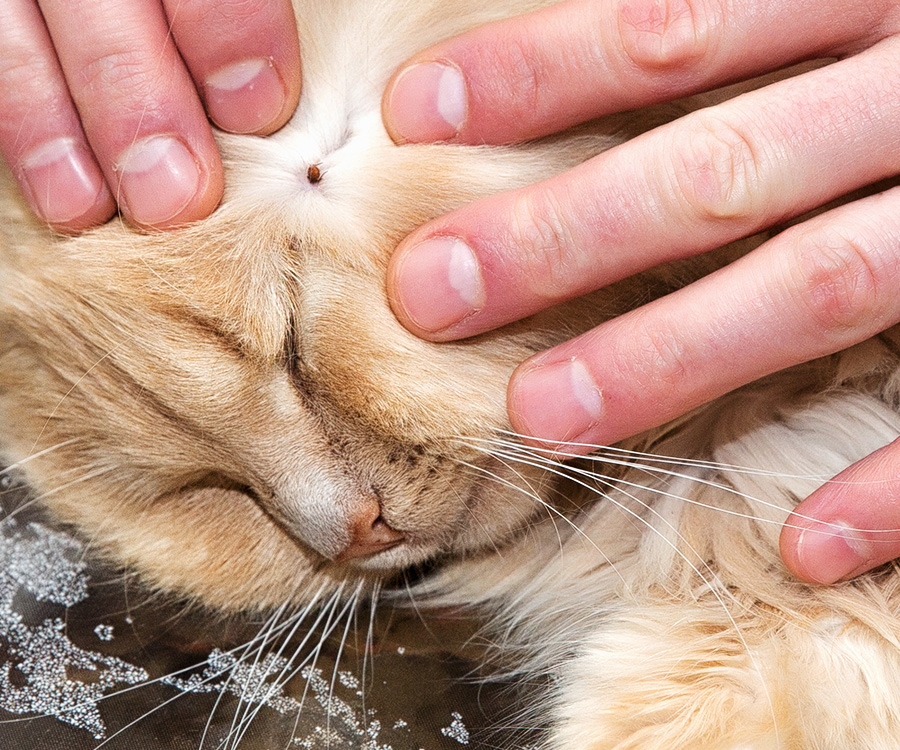
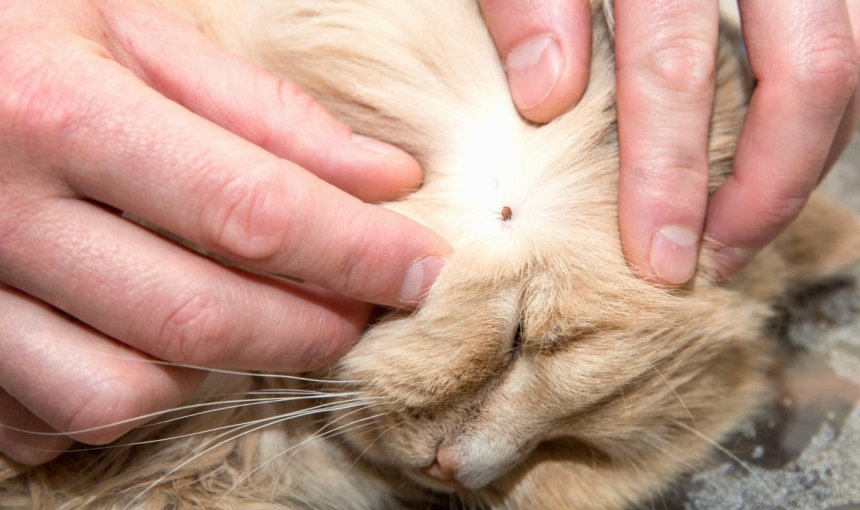
Check your cat for small bumps on the skin. Ticks look like tiny dark spots that do not move quickly. Your cat may scratch or bite certain spots often. Look for redness or swelling around tick bites. Sometimes, ticks cause hair loss near the bite area. Watch for tiredness or loss of appetite, which can signal illness from ticks.
Credit: www.hartz.com
Safe Tick Removal Techniques
Removing ticks from cats needs care and the right method. Ticks can cause infections and discomfort. Safe removal reduces risks to your cat’s health. Using proper tools and steps makes the process smooth and safe. The goal is to remove the tick completely without hurting your pet.
Using Tick Removal Tools
Special tick removal tools work better than fingers. They grab the tick close to the skin. This helps avoid squeezing the tick’s body. Tweezers or tick hooks are common tools. They are easy to find online or at pet stores. Always clean the tool before and after use. This prevents spreading germs.
Step-by-step Removal Process
First, calm your cat and keep it still. Part the fur to see the tick clearly. Place the tool around the tick’s head. Pull slowly and steadily straight out. Avoid twisting or jerking the tick. After removal, check the skin for leftover parts. Clean the bite area with antiseptic. Wash your hands well after the process. Keep an eye on your cat for any signs of illness.
Home Remedies For Tick Control
Ticks on cats can cause discomfort and health issues. Using home remedies can help control ticks safely. These methods use natural ingredients that are gentle on your cat’s skin. They also reduce the chance of harmful chemicals entering your home.
Natural Oils And Sprays
Natural oils work well to repel ticks. Oils like neem, eucalyptus, and lavender have strong scents. Ticks dislike these smells and stay away. Mix a few drops of oil with water in a spray bottle. Spray lightly on your cat’s fur, avoiding eyes and nose. Repeat every few days for best results. Always test a small area first to check for skin reactions.
Herbal Solutions
Herbs can also keep ticks off your cat. Plants like rosemary, thyme, and mint have natural tick-repelling properties. You can make an herbal spray by boiling these herbs in water. Let the mixture cool before spraying on your cat. Another method is to rub fresh herb leaves gently into your cat’s fur. This adds a protective layer against ticks. Herbal baths help remove ticks already on your cat’s body.

Credit: www.petmd.com
Preventing Future Tick Infestations
Preventing future tick infestations on your cat is essential for their health. Ticks carry diseases that can harm your pet. Taking steps to avoid these pests saves time and stress. Focus on habits that keep ticks away consistently.
Regular Grooming Habits
Brush your cat’s fur daily. This helps spot ticks early before they attach. Use a fine-toothed comb to check for small ticks. Pay close attention to areas behind ears and under the legs. Bathing your cat with tick-repellent shampoo can also help. Keep nails trimmed to avoid skin scratches that attract ticks. Make grooming a calm, regular routine for your cat.
Environmental Tick Management
Keep your yard tidy and free of tall grass. Ticks hide in bushes and leaf piles. Clear away debris where ticks breed. Mow the lawn often to reduce tick habitats. Create a barrier of wood chips between wooded areas and your yard. Use safe pest control treatments around your home. Restrict your cat’s access to areas known for ticks. This lowers the chance of your cat picking up ticks outside.
Veterinary Treatments And Medications
Ticks on cats can cause serious health problems. Veterinary treatments and medications help control and remove ticks safely. These options are designed to protect your cat from ticks and stop new ones from attaching. Using the right treatment keeps your cat healthy and comfortable.
Topical Spot-on Products
Topical spot-on products are easy to apply. They are liquids placed on the back of your cat’s neck. The medicine spreads over the skin and kills ticks quickly. These products usually last for a month. They prevent ticks from biting and spreading disease. Always follow the vet’s advice on how to use them safely.
Oral Tick Preventatives
Oral tick preventatives are pills or chews your cat eats. These medicines work from inside to kill ticks. They stop ticks from feeding on your cat’s blood. Many oral preventatives protect for a whole month. Some start working in hours, killing ticks fast. Your vet can recommend the best oral treatment for your cat.
When To Seek Professional Help
Ticks on cats can cause serious health problems. Some signs mean you should see a vet right away. Knowing when to seek professional help keeps your cat safe. Early care can stop ticks from causing harm. Watch your cat closely after tick removal.
Some symptoms are clear signals of illness. Others show complications from tick bites. Acting fast can prevent these problems from getting worse. Always choose professional care if your cat looks unwell.
Signs Of Tick-related Illness
Check your cat for fever or weakness. Look for loss of appetite or tiredness. Notice if your cat limps or has swollen joints. Watch for unusual behavior or breathing trouble. These signs can show tick-borne diseases. Immediate vet visit is important for these symptoms.
Complications From Tick Bites
Ticks can cause infections or allergic reactions. The bite area may become red and swollen. Pus or bleeding can appear around the bite. Some cats may have trouble moving or lose weight. Serious issues need a vet’s care to heal. Do not wait if your cat’s condition worsens.
Credit: tractive.com
Conclusion
Ticks can cause serious harm to cats. Removing them quickly helps keep pets safe. Use a tick remover or tweezers carefully. Check your cat often, especially after outdoor time. Keep your home and yard clean to reduce ticks. Regular vet visits help spot problems early.
Protect your cat with safe tick treatments. Stay alert and act fast to prevent illness. Caring for your cat means keeping ticks away. Small steps make a big difference in your cat’s health.