
Red ants are small insects you can see almost everywhere. They are easy to spot because of their bright red color. Many people wonder, what do red ants do? This article will explain their jobs, habits, and why they are important.
Introduction to Red Ants
Red ants are part of the ant family. They live in groups called colonies. A colony can have thousands of ants. Each ant has a role or job to help the colony live and grow.
These ants are known for their red or reddish-brown bodies. They are found in many places. From gardens to forests, red ants are everywhere.
How Red Ants Live
Red ants live in nests underground or inside wood. They build their homes carefully. The nest protects them from danger and bad weather.
Inside the colony, red ants work together. Some ants look for food. Others take care of the young ants, called larvae. Worker ants clean the nest and protect it from enemies.
What Do Red Ants Eat?
Red ants eat many things. They like sweet foods like nectar from flowers. They also eat small insects. This helps control pests in the garden.
Red ants are also scavengers. This means they look for dead animals or plants to eat. They help clean the environment by doing this.
Roles of Red Ants in the Colony
Each ant in the colony has a special job. Here are the main roles:
| Role | What They Do |
|---|---|
| Queen Ant | Lays eggs and keeps the colony growing. |
| Worker Ants | Find food, care for babies, and build the nest. |
| Soldier Ants | Protect the colony from danger and enemies. |
How Do Red Ants Communicate?
Red ants talk to each other using smells. They leave tiny scent trails with their bodies. These trails help ants find food or warn about danger.
When an ant finds food, it leaves a smell trail. Other ants follow this trail to the food. This way, many ants can eat together.
Why Are Red Ants Important?
Red ants are important for many reasons. They help the soil by digging tunnels. This lets air and water reach plant roots.
They also control pest insects. By eating harmful bugs, they protect plants and crops. This helps farmers and gardeners.
Red ants are part of nature’s balance. Without them, the environment would change a lot.
Are Red Ants Dangerous?
Red ants can bite or sting when they feel threatened. Their sting can hurt and cause itching. But red ants usually do not attack people first.
It is best to stay calm around red ants. Avoid disturbing their nest. If you do get stung, clean the area and use cold water to reduce pain.
How Do Red Ants Build Their Nests?
Red ants work hard to build their homes. They dig tunnels underground. These tunnels connect different parts of the nest.
The nest has rooms for food storage and places to keep the young ants. The queen stays deep inside, safe from danger.
Sometimes, red ants build nests in wood or inside walls. This can cause problems for people if the nest is near homes.
Fun Facts About Red Ants
- Red ants can carry objects many times heavier than themselves.
- They have strong jaws to bite and carry food.
- Red ants can live for several years in a colony.
- They are very organized and work as a team.

Credit: www.medicalnewstoday.com
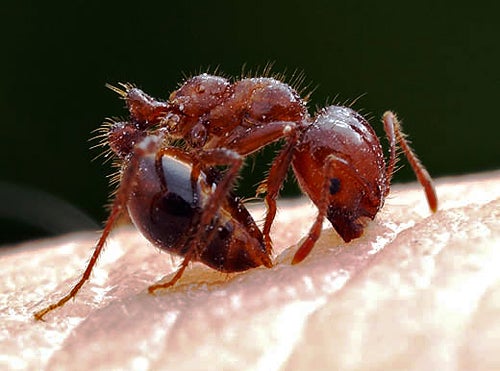
Credit: cisr.ucr.edu
How Do Red Ants Help the Environment?
Red ants play a key role in keeping the environment clean. They eat dead insects and plants. This breaks down waste and recycles nutrients.
By digging tunnels, red ants help plants grow better. Their work improves soil health. This helps other animals and plants live well.
How to Watch Red Ants Safely
If you want to watch red ants, do it carefully. Do not touch their nest. Watch them from a distance.
You can see how they carry food and work together. This is a great way to learn about nature.
Summary
Red ants are small but important insects. They live in large groups and work as a team. They find food, protect their home, and care for their young.
Red ants help the environment by cleaning and improving soil. They use smells to talk and work together. Though their sting can hurt, they mostly stay away from people.
Next time you see red ants, remember all the work they do. They are tiny helpers in nature’s big world.