
Have you ever spotted a quick, creepy bug scurrying across your floor and wondered, “What does a cockroach look like exactly?” You’re not alone. Knowing how to identify a cockroach can help you take action before they become a bigger problem in your home.
You’ll discover the key features that make cockroaches easy to spot. By the end, you’ll feel more confident recognizing these unwelcome visitors and protecting your space. Keep reading—you might be surprised by what you learn!
Cockroach Size And Shape
Cockroaches have a unique size and shape that helps them survive in many places. Their bodies are flat and oval, making it easy to hide in small spaces. These insects vary in size and appearance depending on their species.
Typical Body Length
Most cockroaches range from 1 to 2 inches long. Some species grow larger, reaching up to 3 inches. Smaller cockroaches may be less than half an inch. Size can change with age and environment.
Body Structure
Cockroaches have six legs attached to their thorax. Their bodies are divided into three parts: head, thorax, and abdomen. The head has two long antennae for sensing surroundings. Their tough exoskeleton protects them from damage.
Wing Presence And Variation
Many cockroaches have wings, but not all can fly. Some species have fully developed wings covering their bodies. Others have small or no wings at all. Wing shape and size help identify different types of cockroaches.
Distinctive Color Patterns
Cockroaches show a variety of color patterns that help identify them. Their colors and markings can tell a lot about the species. These patterns also help cockroaches hide from predators and survive in different environments.
Understanding these colors and markings makes it easier to spot and recognize cockroaches around your home.
Common Colors
Most cockroaches are brown or black. Some have a reddish or yellowish tint. The colors can range from light tan to dark brown. These shades help cockroaches blend into wood, dirt, or dark corners. Common house cockroaches often have shiny, smooth bodies with these colors.
Markings And Stripes
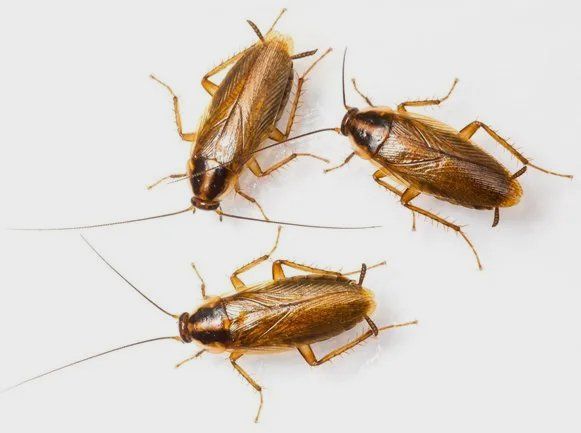
Many cockroaches have distinct markings on their backs. These include stripes, spots, or bands. For example, the German cockroach usually has two dark stripes on its thorax. Some species have lighter or darker edges on their wings. Markings vary and serve as camouflage or warning signs.
Color Differences By Species
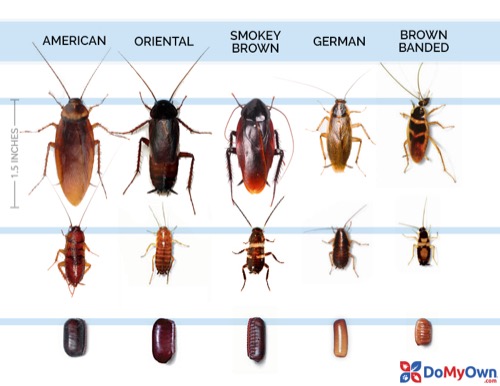
Each cockroach species has unique color traits. The American cockroach is reddish-brown with a yellowish band behind its head. The Oriental cockroach is darker, almost black, with a shiny body. Some tropical species show green or metallic hues. These differences help experts identify species quickly.
Head Features
The head of a cockroach holds many important features. These parts help the insect sense its surroundings and find food. The head is small but complex. It has different structures that work together well.
Each feature has a special role. They help cockroaches survive in many environments. Understanding these parts shows how well cockroaches are built.
Antennae Shape And Length
Cockroach antennae are long and thin. They look like wires or threads. These antennae move constantly. They help the insect feel its way around. The antennae sense smells, touch, and air movement. Their length is often longer than the head. This helps cockroaches detect danger early.
Eye Structure
The eyes of a cockroach are large and round. They sit on each side of the head. Cockroaches have compound eyes. These eyes are made of many small lenses. This gives them a wide field of vision. They see movement well but not details. Their eyes help them avoid threats quickly.
Mouthparts And Palps
Cockroaches have strong mouthparts for chewing. These parts include jaws and other tools. They can bite and crush food easily. Palps are small feelers near the mouth. Palps help taste and sense food texture. Together, these parts allow cockroaches to eat many types of food.
Legs And Movement
Cockroaches have unique legs that help them move fast and climb almost anywhere. Their legs play a big part in how they escape danger and find food. Understanding their legs and movement gives insight into why these insects are so hard to catch.
Leg Count And Segments
Cockroaches have six legs, three on each side of their body. Each leg has several parts called segments. These segments include the coxa, femur, tibia, and tarsus. The tarsus ends with tiny claws that help the cockroach grip surfaces. This leg structure supports quick and flexible movement.
Adaptations For Speed
Their legs are long and strong, built for running fast. Cockroaches can sprint up to three miles per hour. Their muscles work in a way that lets them take rapid steps. This speed helps them avoid predators and sudden threats easily.
Climbing Abilities
Cockroaches can climb smooth and rough surfaces with ease. The tiny claws on their feet grab onto textures firmly. Their legs also have sticky pads called pulvilli. These pads increase grip, allowing climbing on walls and ceilings. This skill lets them hide and move in many places.
Common Cockroach Species
Cockroaches come in many species. Each species has its own size and color. Knowing the common types helps identify them quickly. This knowledge is useful for control and prevention. Here are three common cockroach species found worldwide.
American Cockroach
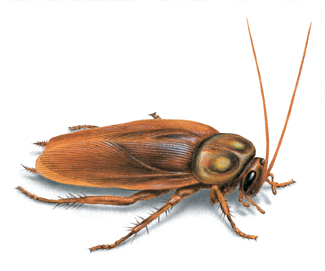
The American cockroach is large and reddish-brown. It can grow up to 2 inches long. It has a yellowish figure 8 pattern on its head. This species prefers warm, moist places like basements. It can fly short distances.
German Cockroach
The German cockroach is smaller, about half an inch long. It is light brown with two dark stripes on its back. This species hides in cracks and crevices near food. It breeds quickly and is hard to control.
Oriental Cockroach
The Oriental cockroach is dark brown or black. It has a shiny and smooth body. It is slower than other cockroaches and prefers cool, damp areas. This species is often found in drains and sewers.
Credit: www.americanpestpros.com
Habitats And Hiding Spots
Cockroaches live in many places. They choose spots that keep them safe and near food. Their habitats help them stay hidden from people and predators. Knowing where cockroaches hide helps to spot and remove them.
Indoor Preferences
Cockroaches like warm, dark, and moist places inside homes. They hide under sinks, behind appliances, and in cracks. Bathrooms and kitchens are favorite spots because of water and food crumbs. Cardboard boxes and clutter also attract them. They come out mostly at night to find food.
Outdoor Environments
Outside, cockroaches live in gardens, leaf piles, and mulch. They hide under rocks, wood, and debris. These places keep them cool and safe from rain. They prefer areas near buildings to easily enter homes. Outdoors, they feed on decaying plants and insects.
Nesting Behavior
Cockroaches build nests in hidden, tight spaces. They group together to stay warm and protected. Nests often contain eggs and young cockroaches. They use dark corners, wall voids, and under floors for nesting. Strong smells and food scraps help keep the nest nearby.
Signs Of Infestation
Recognizing signs of a cockroach infestation helps protect your home early. Cockroaches hide well and come out mostly at night. Spotting evidence of their presence can stop a bigger problem later. Watch for clues that show they live nearby.
Droppings And Egg Cases
Cockroach droppings look like small black pepper grains. You may find them near walls, cabinets, or under sinks. Egg cases are brown and oval-shaped. They often stick to hidden spots like cracks or behind appliances. Finding these signs means cockroaches are breeding nearby.
Smell And Damage
Cockroaches create a strong, musty odor in infested areas. This smell grows worse as their numbers increase. They can also damage food packaging and books. Look for chewed wrappers or holes in paper items. These signs show cockroaches are active and causing harm.
Sightings And Activity Times
Cockroaches usually appear at night when it’s dark and quiet. Spotting one in daylight can mean a large infestation. They move quickly and hide as soon as they sense light. Seeing them often in kitchens or bathrooms is a key warning sign.
Credit: www.domyown.com
Credit: www.orkin.com
Frequently Asked Questions
What Are The Key Physical Features Of A Cockroach?
Cockroaches have flat, oval bodies with long antennae and six legs. Their color ranges from brown to black. They have wings, but not all species fly. Their size varies, typically 1 to 2 inches long.
How Can You Distinguish A Cockroach From Other Insects?
Cockroaches have a distinctive flat body and long, thin antennae. Their legs have spines for quick movement. Unlike beetles, cockroaches’ wings lay flat over the body. They move rapidly and hide in dark, moist areas.
What Size Is A Typical Cockroach?
Most cockroaches measure between 1 and 2 inches long. Some species can grow larger, up to 3 inches. Their size helps them squeeze into tight spaces for hiding and survival.
Do Cockroaches Have Wings And Can They Fly?
Many cockroach species have wings, but not all can fly. Some use their wings to glide short distances. Others rely on running quickly to escape danger.
Conclusion
Cockroaches have a unique look that makes them easy to spot. Their flat bodies and long antennae help them move quickly. Most have six legs and wings, but not all can fly. Colors range from light brown to dark reddish.
Knowing what they look like helps in identifying them early. This can prevent big problems later. Stay aware and keep your space clean. Small details about their shape and size matter. Now, you can recognize a cockroach with confidence.