Have you ever turned on the lights at night and suddenly spotted a cockroach scurrying across your floor? You’re not alone—and it’s not just a random occurrence.
Cockroaches seem to come out only after dark, invading your space when you least expect it. But why do these creepy creatures prefer the night? Understanding their behavior can help you take control and keep your home pest-free. Keep reading to discover the surprising reasons behind their nighttime visits and what you can do about it.
Nocturnal Behavior
Cockroaches are mostly active at night. This behavior is called nocturnal. They hide during the day in dark, moist places. At night, they come out to find food and water. This habit helps them avoid danger and stay safe. Understanding their nocturnal behavior explains why you see them more after dark.
Cockroach Activity Patterns
Cockroaches follow a clear daily routine. They rest in hidden spots during daylight. After sunset, they start moving around. Nighttime is their main time to search for food. They use their antennae to detect smells and vibrations. This helps them find crumbs and spills. Most cockroach species are active at night only.
Advantages Of Nighttime Movement
Moving at night helps cockroaches avoid predators. Birds and some insects hunt during the day. At night, fewer threats are around. Darkness also helps cockroaches stay hidden from humans. Nighttime is cooler and more humid, which suits their bodies. This behavior increases their chance to survive and reproduce.
Sensory Adaptations
Cockroaches have special senses that help them stay active at night. These sensory adaptations allow them to find food and avoid danger in the dark. Their bodies work like natural night tools. This is why they come out after sunset and move quickly in shadows.
Enhanced Night Vision
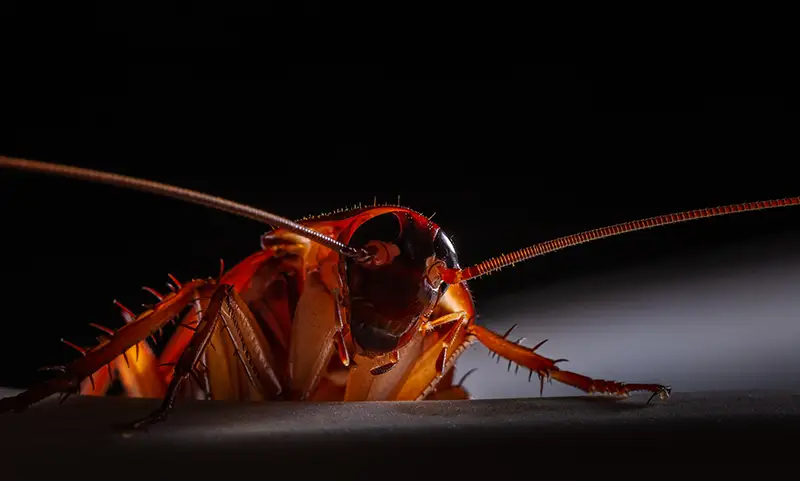
Cockroaches have eyes that see well in low light. Their compound eyes have many lenses. Each lens captures a small part of the picture. This helps cockroaches detect shapes and movements at night. They do not see colors well but can spot changes in light. This ability keeps them safe and helps find food.
Sensitive Antennae Functions
Their antennae act like feelers and smell sensors. They are very long and thin. These antennae pick up tiny smells and vibrations in the air. Cockroaches use them to sense danger or find food sources. The antennae also help them know the direction and distance of objects. This sense is very useful in the dark where vision is limited.
Predator Avoidance
Cockroaches are mainly active at night to avoid predators. Nighttime offers safety from many animals that hunt during the day. This behavior helps cockroaches survive in dangerous environments.
Reduced Risk Of Predation
Many predators rely on sight to catch prey. Cockroaches move in darkness to stay hidden from birds, lizards, and spiders. Reduced light means fewer eyes spotting them. This lowers the chance of being caught. Night activity helps cockroaches stay safe and keep feeding.
Hiding During Daylight
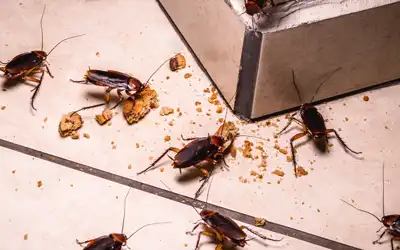
During the day, cockroaches hide in dark, tight spaces. They choose cracks, crevices, and behind furniture. These spots protect them from predators and the sun’s heat. Staying still and hidden reduces their risk of attack. Daylight is dangerous for cockroaches, so they avoid it as much as possible.
Credit: www.batzner.com
Food Searching Habits
Cockroaches are mostly active at night because they search for food in the dark. Their food searching habits help them avoid danger and find meals easily. Nighttime provides safety and quiet for these insects to explore your home.
They use special strategies to find food without being seen. Understanding these habits can help you keep them away from your kitchen and living spaces.
Nighttime Foraging Strategies
Cockroaches move quickly and quietly in the dark. They follow scents and moisture to find food. Their antennae help detect smells from far away. They avoid light because it makes them visible to predators. They prefer to eat in hidden spots like cracks and under furniture.
Types Of Food Sought At Night
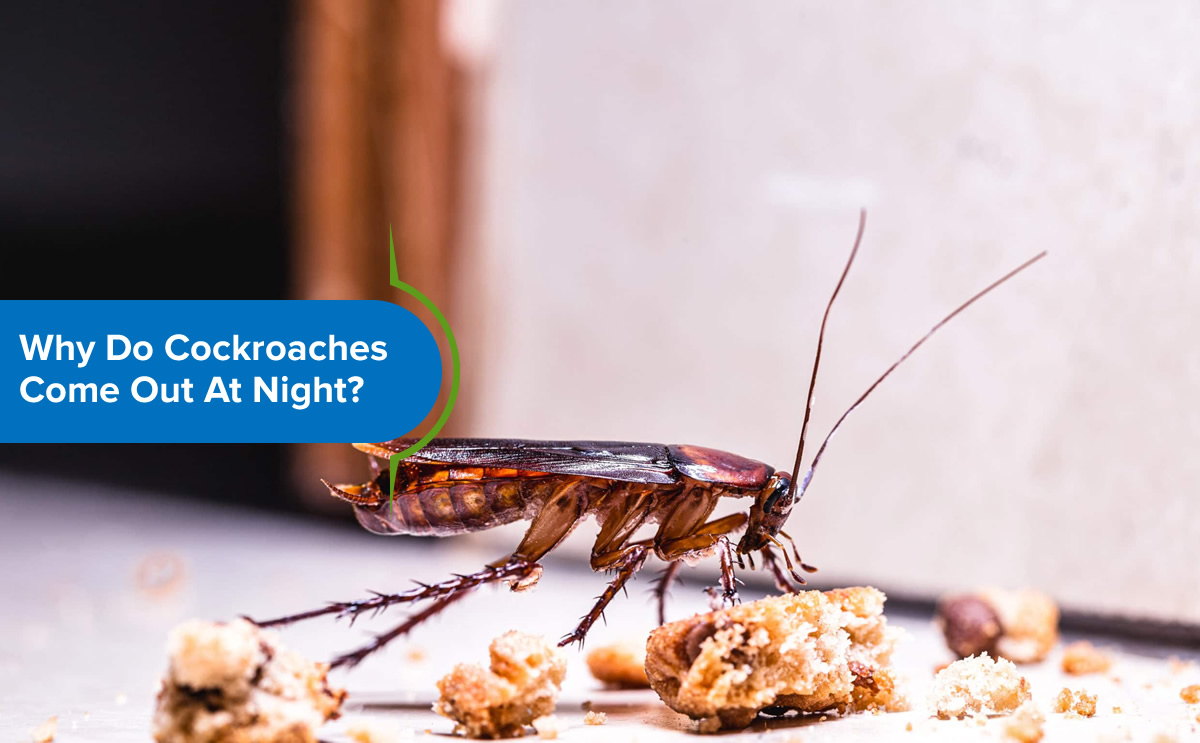
Cockroaches eat almost anything. They prefer crumbs, grease, and leftover food. They also eat paper, glue, and even dead insects. Sweet and starchy foods attract them the most. Dirty dishes and uncovered trash are easy meals for cockroaches at night.
Environmental Factors
Cockroaches are mostly active at night due to certain environmental factors. These factors create a better setting for their survival and movement. Understanding these elements helps explain why these pests prefer darkness over daylight.
Temperature And Humidity Influence
Cockroaches thrive in warm and moist places. At night, temperatures drop to a level that suits their body needs. High humidity helps them stay hydrated and move easily. Dry and cold conditions slow them down and make them vulnerable.
Warmth and moisture guide cockroaches to come out and search for food. They avoid extreme weather that can harm them. Nighttime often offers the perfect balance of temperature and humidity for them.
Light Sensitivity Effects
Cockroaches dislike bright light. Their eyes are sensitive to light, which makes them hide during the day. Darkness gives them cover and safety from predators. Nighttime allows them to explore without much risk.
Light also affects their activity patterns. They use darkness to find food and mates more safely. Bright environments disrupt their natural behavior and cause stress.
Credit: pestcontrolworldwide.com
Reproduction And Mating
Cockroaches are most active at night for important reasons related to reproduction and mating. Darkness provides a safer environment for these insects to find mates and reproduce. Understanding their mating habits explains why they prefer to come out after sunset.
Nighttime Mating Behaviors
Cockroaches use the cover of night to find partners. Males release pheromones to attract females. This chemical signal works best in the dark and calm. Mating usually happens in hidden spots to avoid predators. Nighttime activity lowers the risk of being caught while searching for mates.
Egg Laying Patterns
After mating, female cockroaches lay eggs in safe, dark places. They prefer cracks and crevices to protect eggs from harm. Most species carry egg cases called ootheca until they are ready to hatch. Nighttime helps females move around quietly to find the best spots for egg laying. This behavior increases the survival chances of their young.
Human Impact On Behavior
Cockroaches have adapted well to living near humans. Our daily routines and home settings affect their behavior. These tiny creatures react to changes we create in their environment. Their activity at night is linked to how we live and light our homes.
Effect Of Artificial Light
Cockroaches avoid bright light. Artificial lights change their natural habits. Lights inside homes can confuse them. Bright lights at night may reduce their movement. Dim or no light encourages more activity. They prefer dark, quiet places to search for food.
Household Habits Encouraging Activity
Leaving food crumbs invites cockroaches out. Dirty dishes and trash attract them. Moisture from leaks also draws cockroaches. Cluttered areas give them hiding spots. Frequent night noise can disturb their rest. Simple household habits can increase or decrease their night visits.
Credit: www.petrispestcontrol.com
Frequently Asked Questions
Why Are Cockroaches Active Only At Night?
Cockroaches prefer darkness to avoid predators and conserve moisture. Nighttime activity helps them find food safely. Their nocturnal habits reduce exposure to humans and harsh environments, increasing survival chances.
What Attracts Cockroaches To Homes At Night?
Cockroaches seek warmth, food crumbs, and water sources inside homes at night. They are attracted to leftover food, grease, and moisture in kitchens and bathrooms. Darkness and shelter also lure them indoors after sunset.
How Do Cockroaches Find Food In The Dark?
Cockroaches use sensitive antennae to detect food through smell and touch. They rely on chemical cues and vibrations to locate food sources in low light. This adaptation aids their survival during night foraging.
Can Cockroach Infestations Worsen At Night?
Yes, cockroach activity peaks at night, increasing chances of infestation spread. They reproduce and hide in dark places, making detection harder. Nighttime behavior can escalate contamination risks in homes and businesses.
Conclusion
Cockroaches come out at night to find food and avoid danger. Darkness keeps them safe from predators and humans. They prefer warm, moist places to live and feed. Knowing this helps you keep them away from your home. Clean your kitchen and store food properly.
Fix leaks and remove clutter to reduce hiding spots. Small steps can make a big difference. Stay alert and keep your space clean to prevent roaches. Nighttime activity is normal for these pests, but you can control them.