
Walk outside on a summer day, and you may spot ants marching across leaves, stems, or flowers. This simple scene leads many people to wonder: *Do ants eat plants?* The answer is not as straightforward as it seems. Ants are one of the most successful insects on earth, found in nearly every habitat, and their relationship with plants is surprisingly complex. Some ants help plants, while others harm them. Understanding how ants interact with plants can help gardeners, farmers, and nature lovers protect their green spaces and appreciate the hidden world of insects.
Do Ants Feed On Plant Leaves?
Not all ants eat leaves directly. Most ants are omnivores, which means they eat a wide range of foods, from seeds to insects. Still, there are a few ants that do target leaves:
- Leafcutter ants are famous for cutting and carrying pieces of leaves back to their nests. But they do not eat the leaves directly. Instead, they use the leaves to grow fungus, which becomes their main food.
- Some ants, like the weaver ant, may chew leaves to create nests, but they don’t eat the leaves themselves.
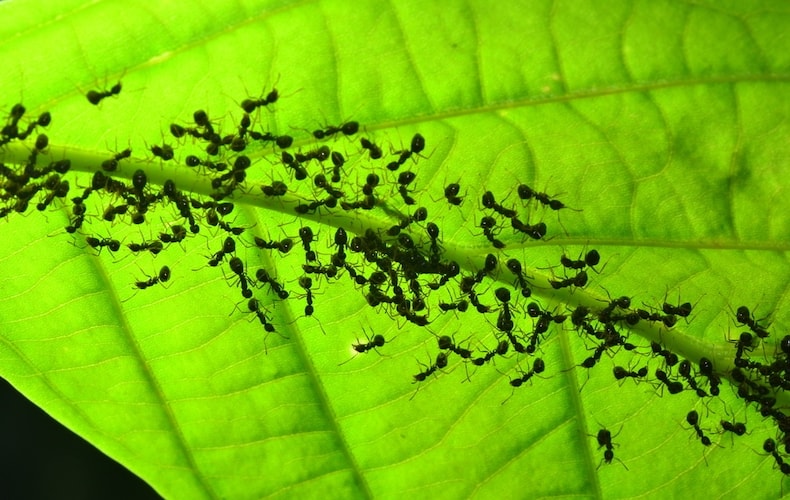
Most common garden ants do not feed on leaves. Instead, they look for sweet liquids or protein-rich foods. If you see ants on your plant leaves, they are probably not eating the plant itself. Instead, they might be farming aphids or searching for nectar.
Ants And Plants: Symbiotic Relationships
Plants and ants sometimes work together in a close partnership called symbiosis. This means both the plant and the ant benefit from each other.
- Acacia trees in Africa and Central America are a famous example. These trees provide food (nectar) and shelter (hollow thorns) for ants. In return, the ants protect the tree from herbivores and clear away harmful insects.
- Some plants have extrafloral nectaries, which are tiny glands outside the flower. These glands produce nectar just for ants. When ants visit, they help protect the plant from pests like caterpillars.
This teamwork means that not all ants are bad for plants. In fact, some plants rely on ants for survival.
Credit: www.thompson-morgan.com
Do Ants Damage Plants?
While some ants help plants, others can cause harm. Here are ways ants may damage plants:
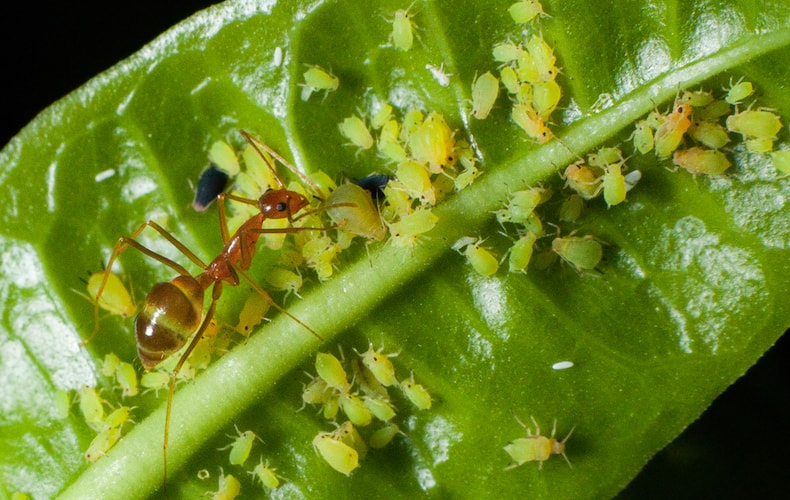
- Farming aphids and other pests: Many ant species protect and “farm” aphids, mealybugs, or scale insects. These pests suck sap from plants and produce a sweet liquid called honeydew. Ants collect the honeydew and, in return, protect the pests from predators. This can lead to larger pest outbreaks and damage to the plant.
- Disturbing roots: Some ants build nests in the soil around roots. If the nest is large, it can disturb the plant’s roots, making it harder for the plant to absorb water and nutrients.
- Spreading disease: When ants move from plant to plant, they can spread fungi or bacteria that cause plant diseases.
However, in most gardens, ants do not cause serious harm to healthy plants unless there is a big aphid problem or the ant nest is very large.
Why Are Ants Attracted To Plants?
Ants visit plants for several reasons, but food is the main attraction:
- Nectar: Many flowers and some leaves produce nectar, a sweet liquid ants love.
- Honeydew: Ants “milk” honeydew from aphids and other sap-sucking insects living on plants.
- Seeds: Some ants collect seeds, especially those with special food bodies called elaiosomes.
- Shelter: Plants can offer safe spaces for ants to build nests, especially in hollow stems or under bark.
Ants are excellent foragers. If there is a food source on a plant, ants will find it quickly.
Are Ants Good Or Bad For Your Garden?
Ants can be helpful or harmful in the garden. The effect depends on the ant species and what else is living in your garden.
Ants are good for your garden when:
- They eat pests like caterpillars, fly larvae, or other insects.
- They help pollinate flowers (though bees are better pollinators).
- They improve soil by mixing it as they dig tunnels.
Ants can be bad for your garden when:
- They protect aphids or mealybugs, increasing pest numbers.
- They build large nests that disturb roots of small plants.
- They spread plant diseases.
In most cases, small numbers of ants are not a problem. But if you see lots of ants and aphids together, it’s time to act.
How To Tell If Ants Are Eating Your Plants
If you see ants on your plants, don’t panic. Here’s how to check if ants are harming your plants:
- Look for chewed leaves. If you see neat circles or missing chunks, it might be leafcutter ants or caterpillars, not regular ants.
- Check for sticky leaves. Sticky, shiny leaves often mean aphids or scale insects are present. Ants may be farming these pests.
- Search for aphids or mealybugs. Look under leaves and along stems for small, soft-bodied insects. If ants are walking among them, the ants are protecting the pests.
- Inspect the soil. If a plant is wilting and the soil is loose, ants may have built a nest under the roots.
Understanding these signs can help you decide if you need to control ants—or if they are just passing by.
Types Of Ants That Interact With Plants
Not all ants behave the same way. Here are a few common types and their relationship with plants:
| Ant Species | Plant Interaction | Common Region |
|---|---|---|
| Leafcutter Ants | Cut leaves for fungus farming | Central & South America |
| Weaver Ants | Build nests with leaves, protect plants | Asia, Africa, Australia |
| Argentine Ants | Farm aphids, spread pests | Worldwide (invasive) |
| Carpenter Ants | Nest in wood, sometimes damage trees | North America, Europe |
| Pavement Ants | Scavenge for seeds, rarely harm plants | Urban areas globally |
Understanding the ant species in your area can help you predict whether they will help or harm your plants.
Do Ants Eat Plant Roots?
Most ants do not eat plant roots. However, some ant species build large nests under plants. If these nests disturb the roots, the plant may wilt or fail to grow well. In rare cases, ants may feed on seeds or seedlings underground, but this is not common in home gardens.
Sometimes, ants will collect seeds with food bodies (elaiosomes) from the soil. This can actually help plants disperse their seeds, a process called myrmecochory.
Ants And Seeds: Myrmecochory Explained
Myrmecochory is a special relationship between ants and plants. Some plants produce seeds with fatty, nutritious attachments called elaiosomes. Ants carry these seeds back to their nests, eat the elaiosome, and leave the seed in a safe, nutrient-rich place. This helps the plant spread its seeds and grow in new areas.
Plants like trillium, violets, and some acacias use this method. In this case, ants are very helpful to plants.
Do Ants Eat Plant Flowers?
It is rare for ants to eat flowers directly. Most ants visit flowers for nectar, not petals. However, there are a few exceptions:
- Some ants chew flower parts to get at nectar or pollen.
- If a flower is already damaged, ants may clean up decaying material.
In general, ants are more interested in the nectar than the flower itself.
Credit: www.thompson-morgan.com
Do Ants Eat Plant Stems?
Ants do not usually eat stems. However, they may:
- Tunnel into hollow stems for shelter.
- Protect pests like aphids or mealybugs that feed on the plant’s stems.
If you see stem damage, it is more likely due to other insects or disease than ants.
Ants And Aphids: A Closer Look
The relationship between ants and aphids is important. Aphids are small insects that suck sap from plants. They produce honeydew, which is a favorite food for ants. In return, ants protect aphids from predators like ladybugs.
This relationship can cause problems for plants:
- Aphids multiply quickly because ants defend them.
- Plants can weaken or die from heavy aphid feeding.
- Honeydew attracts mold, which can cover leaves and block sunlight.
If you see lots of ants and aphids together, you need to control both to protect your plants.

Credit: kellogggarden.com
How To Control Ants On Plants
If ants are causing problems, you can take steps to reduce their numbers or keep them away from your plants. Here’s how:
- Control aphids first. If ants are farming aphids, use insecticidal soap or a strong spray of water to remove them.
- Use sticky barriers. Wrap sticky tape around plant stems to stop ants from climbing.
- Remove ant nests. Pour boiling water into nests in the soil (only for non-beneficial ants, and never on important plants).
- Trim plant branches. Keep plants from touching walls, fences, or other plants that ants use as bridges.
- Use diatomaceous earth. Sprinkle this natural powder around plants. It is safe for people but deadly for ants.
Avoid using harsh chemicals, as these can also harm beneficial insects.
Are Ants Important For Plant Pollination?
While ants do visit flowers, they are not the best pollinators. Their bodies are smooth and do not carry pollen well. However, in some cases, ants help pollinate low-growing plants or flowers with open shapes.
Some plants even use ants as their main pollinators. Still, bees, butterflies, and other insects are much better at pollinating most crops and flowers.
Ants In The Ecosystem: More Than Just Pests
Ants play a vital role in nature. Here are some ways they help the environment:
- Break down dead material: Ants clean up dead insects and plants, returning nutrients to the soil.
- Aerate the soil: Their tunnels let water and air reach plant roots.
- Control other insects: Ants eat or chase away many garden pests.
Without ants, many ecosystems would not function as well.
Myths And Misunderstandings About Ants And Plants
Many people believe all ants are bad for plants. In fact, most ants do not harm healthy plants. Here are some common myths:
- Myth: All ants eat plant leaves.
- Fact: Only a few species, like leafcutter ants, cut leaves, and they use them for fungus farming.
- Myth: Ants always bring pests.
- Fact: Ants can help control pests by eating caterpillars, beetles, and fly larvae.
- Myth: Ants destroy all plant roots.
- Fact: Most ant nests do not hurt large, healthy plants.
Understanding the real role of ants can help you make better decisions in your garden.
How Ants Help Plants Grow
Ants are not just neutral; sometimes they help plants grow:
- Seed dispersal: By carrying seeds, ants help plants spread and avoid competition.
- Soil improvement: Ant tunnels mix the soil, improving drainage and root growth.
- Pest control: Some ants eat harmful insects or keep them away from plants.
If you have native ants in your garden, they may be doing more good than harm.
Do Ants Eat Indoor Plants?
Ants sometimes enter homes and may be found in houseplants. Usually, they are not eating the plant but are looking for:
- Honeydew from indoor pests like mealybugs or scale.
- Moisture in the soil.
- Food crumbs left on leaves or in the pot.
If you see ants in your indoor plants, check for sap-sucking pests. Treat the pests, and the ants will usually go away.
Do Ants Eat Grass?
Most ants do not eat grass blades. However, they may build nests in the lawn, creating small mounds of soil. In rare cases, large ant colonies can cause patches of grass to die by disturbing roots.
Some ants, like harvester ants, collect grass seeds to store for food. This can thin out patches of lawn. Usually, though, ants do not eat grass as a main food.
Do Ants Eat Fruit Plants?
Ants are attracted to fruit plants for several reasons:
- Sweet fruit juice: If fruit is damaged or overripe, ants will feed on the juice.
- Honeydew: If aphids are present, ants will visit to collect honeydew.
- Nectar: Some fruit flowers produce extra nectar that attracts ants.
Ants do not usually harm healthy, unbroken fruits. However, they can spread disease or encourage other pests.
Do Ants Eat Vegetable Plants?
Ants are not major pests of vegetables, but they can cause problems:
- Protecting aphids and whiteflies on vegetables like beans, lettuce, or peppers.
- Disturbing young seedlings by nesting under them.
- Feeding on damaged or decaying parts of vegetables.
Healthy vegetables are rarely eaten by ants, but heavy ant activity often signals another pest problem.
Do Ants Eat Tree Bark?
Ants do not eat bark. However, they may:
- Nest under loose bark for shelter.
- Protect scale insects or mealybugs living on the bark.
Some ants, like carpenter ants, tunnel into dead or rotting wood, but they do not eat wood or bark. They use it for nesting.
Ants Vs. Other Plant-eating Insects
How do ants compare with other insects that eat plants? Here’s a quick look:
| Insect | What They Eat | Plant Damage Level |
|---|---|---|
| Ants | Mainly nectar, honeydew, seeds | Low to moderate |
| Aphids | Plant sap | High if not controlled |
| Caterpillars | Leaves | High |
| Beetles | Leaves, roots, fruit | Moderate to high |
| Grasshoppers | Leaves, stems | High |
Ants are usually less harmful than true plant-eating pests, unless they are protecting those pests.
Secondary And Lsi Keywords
Do Ants Eat Plant Roots?
As explained earlier, most ants do not eat plant roots. They may disturb roots by digging, but direct root feeding is rare. If you find weak or wilting plants with ant nests nearby, check for root pests like grubs or root aphids, which ants might be protecting.
Do Ants Eat Plant Leaves?
Only a few species, such as leafcutter ants, actually cut leaves, and even then, they use them to grow fungus, not as direct food. Most ants do not chew or digest leaves.
Do Ants Eat Plant Stems?
Ants are not known for eating stems. If you see ants on stems, they are likely tending sap-sucking insects or seeking shelter.
Do Ants Eat Plant Flowers?
Most ants visit flowers for nectar but do not eat the petals or reproductive parts. Rarely, ants may chew on flower tissue to access nectar.
Do Ants Eat Plant Seeds?
Some ants collect seeds, especially those with food bodies (elaiosomes), for their nests. This can help spread seeds and grow new plants. However, if you see ants removing seeds from your garden, consider using barriers or placing seeds deeper in the soil.
Do Ants Eat Plant-based Food?
Ants enjoy plant-based food like nectar, honeydew, and sometimes fruit juice. They do not eat most plant tissues directly unless damaged or decaying.
Do Ants Eat Plant Sap?
Ants do not suck sap themselves. Instead, they collect honeydew from sap-feeding insects like aphids. If ants are present, check for hidden aphid colonies.
Do Ants Eat Plant Debris?
Ants help break down plant debris. They collect dead leaves, petals, or wood, especially for nesting or feeding fungus gardens. This helps recycle nutrients in the ecosystem.
Do Ants Eat Plant-based Sugar?
Yes, ants are highly attracted to plant-based sugars, especially nectar and honeydew. This is a major reason why ants are found on flowering plants or near aphid colonies.
Common Questions And Answers About Ants And Plants
Q: Will killing all ants help my garden?
A: Not always. Many ants are beneficial or harmless. Focus on controlling pests like aphids and only remove ant nests if they cause clear problems.
Q: Are ants a sign of plant disease?
A: Ants themselves do not cause disease, but their presence may signal sap-sucking pests or decaying plant tissue.
Q: Can I use ants to control other pests?
A: Some ants eat harmful insects, but many also protect aphids. Use integrated pest management for best results.
Q: Why are there so many ants in my vegetable garden?
A: Likely because of aphids or sweet food sources. Check for pest infestations and remove them.
Q: Are there plants that repel ants?
A: Some plants, like mint and tansy, have strong scents that ants dislike. Planting these around your garden may help keep ants away.
Frequently Asked Questions
Do All Ants Eat Plants?
No, most ants do not eat plants directly. Only a few species, like leafcutter ants, cut leaves for fungus farming. Most ants are attracted to nectar, honeydew, or seeds, not plant tissues.
Are Ants Bad For Flowers?
Ants are usually not harmful to flowers. They visit flowers for nectar but rarely damage the petals. In some cases, they can even help with pollination.
Why Do I See Ants And Aphids Together On My Plants?
Ants and aphids have a mutual relationship. Ants protect aphids and collect their honeydew. This can lead to larger aphid populations and more plant damage.
How Can I Keep Ants Away From My Plants Naturally?
You can use sticky barriers, plant strong-smelling herbs like mint, or control aphids to reduce ant numbers. Avoid using harsh chemicals, which can harm other beneficial insects.
Do Ants Help Or Harm Vegetable Gardens?
Ants can be both helpful and harmful. They may eat pests, aerate soil, and help with seed dispersal. But if they protect aphids or disturb roots, they can cause problems. Monitor your garden and act if you see damage.
Ants are fascinating creatures with a range of roles in the garden. While they can sometimes cause problems, they are often neutral or even helpful. By understanding their behavior and relationships with plants, you can make better choices for a healthy, balanced garden.
For further reading, see this Wikipedia overview of ant-plant interactions.