Have you ever spotted small, fast-moving cockroaches with brown bands in your home and wondered if they’re dangerous? You’re not alone.
Brown banded cockroaches may seem harmless at first glance, but they can cause problems you might not expect. Understanding whether these pests are bad for your health and home is important. Keep reading to find out what risks they pose and how you can protect yourself and your space from them.

Credit: www.reddit.com
Brown Banded Cockroaches Basics
Brown banded cockroaches are small pests found in homes worldwide. They often cause concern because of their quick movements and presence in living spaces. Understanding their basics helps in identifying and managing them effectively. These cockroaches differ from other types in size, color, and habits.
Knowing their traits, habitats, and life cycle reveals why they appear and how they survive indoors. This knowledge is key to controlling their spread and reducing health risks.
Identification Traits
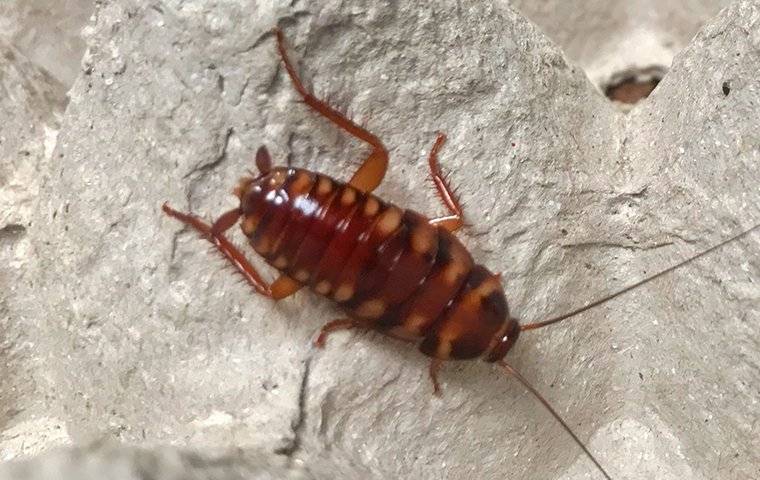
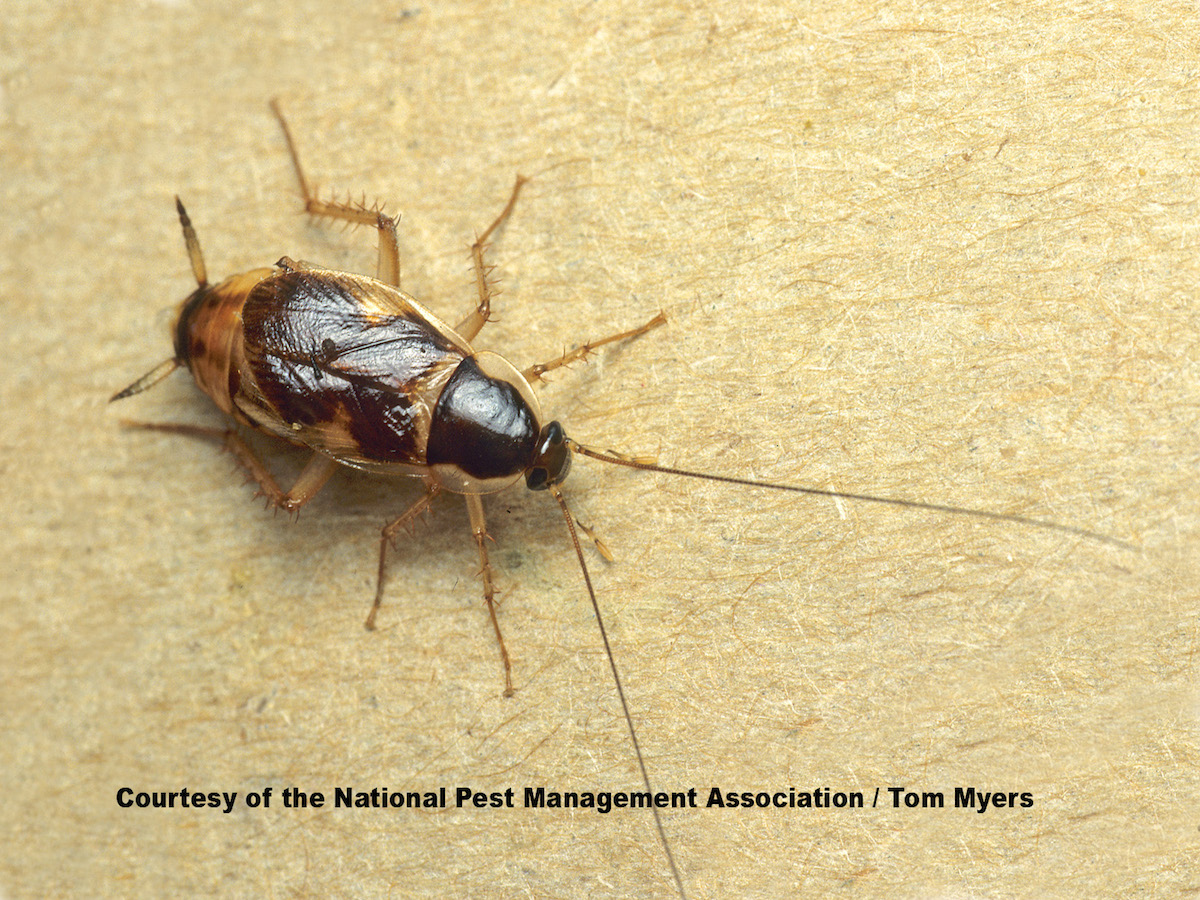
Brown banded cockroaches are about half an inch long. Their bodies are light brown with two distinct darker bands across the wings and abdomen. Males have longer wings that extend past their bodies. Females have shorter wings and appear rounder. These cockroaches move quickly and avoid light.
Habitat Preferences
These cockroaches prefer warm, dry places inside homes. They hide in cracks, behind furniture, and inside cabinets. Unlike other cockroaches, they are often found higher off the ground. They do not need moisture as much and can live in bedrooms or living rooms. They come out mostly at night to search for food.
Life Cycle
The life cycle starts with eggs, laid in small cases called oothecae. Each case holds about 14 eggs. The eggs hatch into nymphs, which look like small adults but without wings. Nymphs molt several times before becoming adults. The full cycle from egg to adult takes about three months. Adults live for several months and continue to reproduce.
Health Risks And Allergies
Brown banded cockroaches are more than just a nuisance. They pose serious health risks, especially inside homes. Their presence can lead to allergies and breathing problems. Understanding these risks helps protect your family and home.
Disease Transmission Potential
Brown banded cockroaches can carry harmful bacteria. They pick up germs from dirty places like garbage and drains. These bacteria can cause food poisoning and infections. Cockroaches spread these germs by crawling over food and surfaces. This makes kitchens and dining areas unsafe.
Allergic Reactions
Many people are allergic to cockroach droppings and body parts. These allergens can cause skin rashes and itchy eyes. Some may develop sneezing and runny nose. Allergies from cockroaches often worsen over time. Keeping your home clean can reduce these reactions.
Asthma Triggers
Cockroach allergens are strong triggers for asthma attacks. They irritate the airways and cause difficulty breathing. Children and older adults are especially at risk. Even small amounts of cockroach dust can cause symptoms. Controlling cockroach infestations helps manage asthma better.
Damage To Home And Belongings
Brown banded cockroaches cause many problems in homes. They damage food, materials, and even electrical systems. These pests are more than a nuisance. Their presence leads to costly repairs and health risks.
Understanding the types of damage they cause helps protect your home better. Act fast to reduce harm and avoid bigger issues.
Food Contamination
Brown banded cockroaches spread germs on food. They crawl over surfaces, leaving bacteria behind. This contamination can cause illness for people in the house. Stored food may become unsafe to eat. Keeping food sealed and clean is important to stop this problem.
Material Damage
These cockroaches chew on many materials. Paper, fabric, and leather are common targets. They damage books, clothes, and furniture. This chewing can ruin valuable belongings quickly. The pests also leave stains and bad smells on materials. Repairing or replacing items can be expensive.
Electrical Hazards
Brown banded cockroaches hide in electrical devices. They can chew wires and cause short circuits. This damage creates fire risks inside the home. Appliances may stop working or become unsafe. Regular checks and pest control reduce these dangers effectively.
Credit: www.go-forth.com
Behavior And Activity Patterns
Brown banded cockroaches have distinct behavior and activity patterns. These patterns help them survive and spread. Understanding their habits can help control their presence.
Nocturnal Habits
Brown banded cockroaches are mainly active at night. They hide during the day in dark places. Nighttime activity helps them avoid predators and humans. They search for food and water under low light.
Movement And Hiding Spots
These roaches move quickly and can climb walls easily. They prefer hiding in small cracks and tight spaces. Common spots include behind picture frames and inside furniture. Their small size lets them fit into unusual places.
Breeding Behavior
Female brown banded cockroaches carry egg cases until hatching. Each case holds about 14 eggs. They prefer warm, dry spots to lay eggs. This behavior helps the young survive in safe areas.
Control And Prevention Methods
Controlling and preventing brown banded cockroaches is essential for a clean and safe home. These pests breed quickly and hide in small cracks. Effective methods focus on reducing their food, water, and shelter. Combining good habits with treatments helps stop their spread.
Sanitation Tips
Keep all areas clean and dry. Wipe kitchen counters and sweep floors daily. Store food in sealed containers. Take out garbage regularly. Fix leaks and remove standing water. Clear clutter where roaches can hide. Clean behind appliances often. Good sanitation removes their survival needs.
Chemical Treatments
Use insecticides labeled for cockroach control. Apply gels or baits near hiding spots. Spray cracks and crevices carefully. Follow all safety instructions on the label. Avoid spraying food areas directly. Repeat treatments as needed to break the life cycle. Chemical methods work best with good cleaning.
Natural Remedies
Boric acid dust kills roaches safely when used correctly. Diatomaceous earth also damages their bodies. Place these powders in dry, hidden areas. Use essential oils like peppermint or eucalyptus to repel cockroaches. Sticky traps catch them for monitoring. Natural remedies reduce chemicals while controlling pests.
Credit: www.pestworld.org
Comparing With Other Cockroach Species
Brown banded cockroaches are one of several common cockroach species found in homes. Comparing them with other types helps understand their behavior and risks. Each species has unique traits affecting how they spread and how hard they are to control. This knowledge is vital for effective pest management and health safety.
Differences In Impact
Brown banded cockroaches are smaller and less aggressive than German cockroaches. They do not spread diseases as much as American cockroaches. Their main problem is contamination of food and surfaces. Brown banded cockroaches can trigger allergies, but they are less likely to cause serious health issues compared to other species.
Control Challenges
Brown banded cockroaches hide in high, dry places like cabinets and behind pictures. This makes finding and treating them hard. German cockroaches prefer warm, moist areas, so treatments often focus on kitchens and bathrooms. Brown banded cockroaches need different methods to control them effectively. Their ability to spread over wide areas adds to the difficulty.
Common Myths
Many think brown banded cockroaches bite humans often. This is rare; they mainly avoid people. Another myth claims they only live indoors. They can survive outdoors in warm climates too. Some believe all cockroaches carry the same risk. Each species has different habits and health impacts, so this is not true.
Frequently Asked Questions
Are Brown Banded Cockroaches Harmful To Humans?
Brown banded cockroaches are not directly harmful but can spread bacteria. They contaminate food and surfaces, increasing allergy risks. Their presence signals poor hygiene and potential health issues, so controlling them is important.
How Can I Identify Brown Banded Cockroaches?
Brown banded cockroaches have light brown bodies with two distinct yellow bands across their wings. They are smaller than other roaches, about 1/2 inch long, and prefer warm, dry areas indoors.
Do Brown Banded Cockroaches Carry Diseases?
Yes, brown banded cockroaches can carry bacteria like Salmonella and E. coli. They pick up germs from unsanitary areas and contaminate food and surfaces, posing health risks, especially to children and sensitive individuals.
What Attracts Brown Banded Cockroaches Indoors?
Brown banded cockroaches are attracted to warmth, moisture, and food scraps. They prefer kitchens, bathrooms, and electronics. Clutter and poor sanitation increase their chances of infestation indoors.
Conclusion
Brown banded cockroaches can cause problems in homes. They carry germs that may make people sick. These roaches like warm, dry places to hide. They multiply quickly if not controlled. Keeping your home clean helps prevent infestations. Sealing cracks and fixing leaks also stops them.
Taking action early can protect your family. Knowing the risks helps you stay safe. Don’t ignore signs of these pests in your space. Act now to keep your home healthy and pest-free.