Many gardeners worry about small bugs in their gardens. One common bug is the earwig. But are earwigs harmful to plants? This is a good question. Some people think they are bad. Others say they help plants. Let’s learn more about earwigs and plants.
What Are Earwigs?
Earwigs are small insects. They have long bodies and dark brown or black colors. Their name comes from the old idea that they crawl into people’s ears. But this is not true. Earwigs do not enter ears.
One special feature is their pincers. These pincers look like small claws at the back. Earwigs use them to protect themselves. They can also use pincers to catch food.
Where Do Earwigs Live?
Earwigs like dark, damp places. They hide under leaves, stones, and wood. You can find them in gardens, forests, and fields. They come out mostly at night. During the day, they stay hidden to avoid sunlight.
What Do Earwigs Eat?
Earwigs are interesting because they eat many things. They are not picky. Here is what they eat:
- Other small insects
- Dead plants and animals
- Living plants and flowers
- Fruits and vegetables
So, earwigs are both predators and plant eaters. They eat insects that harm plants. But sometimes, they also eat plants themselves.
Credit: gregalder.com
How Do Earwigs Affect Plants?
Now, the big question. Are earwigs harmful to plants? The answer is both yes and no.
Earwigs Can Harm Plants
Earwigs do eat soft parts of plants. They like tender leaves and flowers. If many earwigs live in one place, they can cause damage.
Here are some signs of earwig damage:
- Holes in leaves
- Chewed petals on flowers
- Damaged fruits and vegetables
Young plants are more at risk. Earwigs can stop them from growing well. They may eat new shoots and buds. This can make plants weak.
Earwigs Can Help Plants Too
But earwigs are not all bad. They eat other bugs that harm plants. These bugs include aphids and mites. Aphids suck the juice from plants. Earwigs keep their numbers low.
This means earwigs can protect plants from worse damage. They act like natural pest controllers. So, having some earwigs is good for the garden.

Credit: trueleafmarket.com
When Are Earwigs a Problem?
Earwigs only become a problem when they are too many. A large group can eat a lot of plants. This can harm your garden. You may see many holes in leaves and flowers.
Also, earwigs like wet weather. After rain, you may find more of them. If your garden is very damp, earwigs will stay longer.
How to Control Earwigs in Your Garden
If earwigs damage your plants, you can try some simple ways to reduce them. Here are easy tips:
| Method | How It Works |
|---|---|
| Remove hiding places | Clear leaves, stones, and wood where earwigs hide |
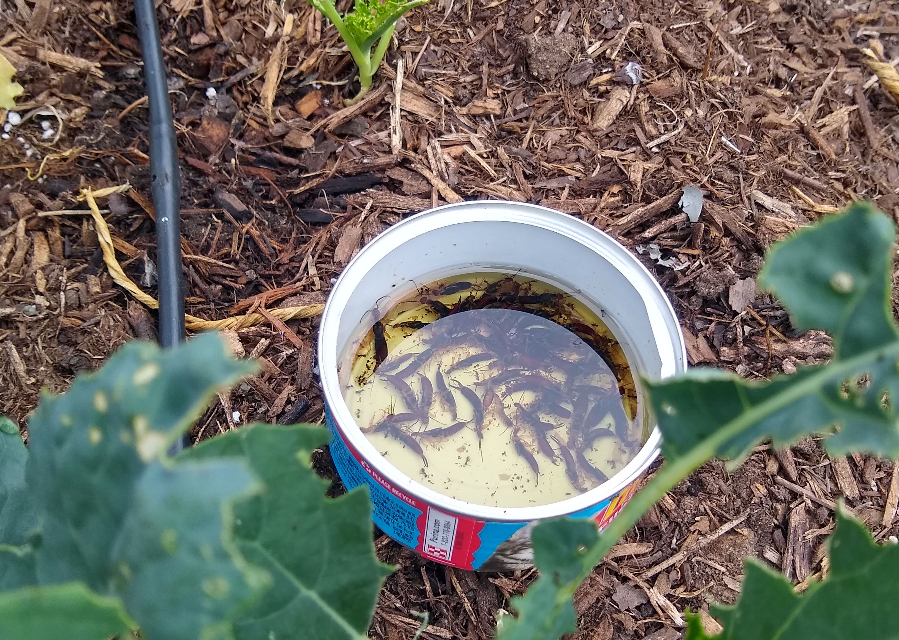
| Use traps | Place rolled newspapers or cardboard to catch earwigs at night |
| Water plants in the morning | Dry soil helps reduce earwig numbers |
| Use natural predators | Encourage birds and frogs that eat earwigs |
| Handpick earwigs | Pick them up at night and move them away |
These methods are safe and do not harm the environment. Avoid using strong chemicals. Chemicals can kill good insects too.
How to Protect Plants from Earwigs
You can also protect plants before earwigs cause damage. Here are simple ways:
- Keep your garden clean and dry
- Remove old plant debris
- Plant earwig-resistant plants like lavender or marigolds
- Use barriers like copper tape around pots
- Water plants early to allow drying
These tips make your garden less attractive to earwigs.
Conclusion: Should You Worry About Earwigs?
Earwigs are part of the garden life. They can be good or bad for plants. Small numbers help control pests. Large numbers can harm plants.
Watch your garden. If you see little damage, earwigs are probably helping. If damage is big, try simple controls. You don’t need to remove all earwigs. Just keep their number low.
In the end, earwigs are not monsters. They are just insects trying to live. With some care, your plants and earwigs can share the garden well.