Many people see small red ants and wonder if they are fire ants. The answer is not always simple. Fire ants and red ants look similar but are not always the same. Let us explore the differences and similarities.
What Are Fire Ants?
Fire ants are a special type of ant. They are known for their painful sting. When fire ants bite or sting, they can cause red, itchy bumps. These ants live in big groups called colonies. They build large nests in the ground.
Fire ants are usually reddish in color, but their color can vary. They are very active and move fast. Fire ants like warm places and are mostly found in the southern United States and other warm areas.

Credit: www.youtube.com
What Are Red Ants?
Red ants are a broader group. Not all red ants are fire ants. Many ant species have red or reddish bodies. These ants can look like fire ants but might not sting or bite as painfully.
Red ants live in many places. They can live in soil, wood, or plants. Some red ants are small and shy. Others are bigger and more aggressive. It depends on the type of red ant.
Key Differences Between Fire Ants and Red Ants
| Feature | Fire Ants | Red Ants |
|---|---|---|
| Color | Bright red to reddish-brown | Varies from light red to dark red |
| Size | 5 to 6 mm long | Varies widely, often smaller or similar |
| Sting | Yes, painful and causes blisters | Some sting, many do not |
| Habitat | Warm climates, nests in soil | Found worldwide, in many habitats |
| Behavior | Aggressive when disturbed | Varies; some aggressive, some not |
How to Tell Fire Ants from Other Red Ants
You can spot fire ants by watching their behavior and nests. Fire ants build large, dome-shaped mounds without a visible entrance. These mounds can be up to 18 inches high.
Other red ants often have smaller, flatter nests. Their nests may have visible entrances or tunnels. Fire ants move quickly and attack in large groups. Other red ants are slower and less aggressive.
Also, fire ants have a very painful sting. If you get bitten or stung, it might be a fire ant. Red ants may bite but usually do not sting or hurt much.
Why Do People Confuse Fire Ants with Red Ants?
Both ants are red or reddish. They are small and live close to humans. Fire ants and red ants look alike at first glance.
Also, not everyone knows about the different ant species. People see red ants and say “fire ants” because of the color. This is a common mistake.
Why Should You Care About Fire Ants?
Fire ants can cause problems. Their sting can hurt people and pets. Some people are allergic and may need medical help if stung.
Fire ants can damage plants and crops. They also protect harmful pests like aphids. This can hurt gardens and farms.
Knowing if you have fire ants helps you take the right action. You can avoid painful stings and protect your home.
How to Deal with Fire Ants
If you find fire ants, do not disturb their nest. Moving near the nest can make them aggressive. Here are some steps to follow:
- Wear gloves and boots when working outside.
- Use special fire ant baits or insecticides.
- Call a pest control expert if the problem is big.
- Keep your yard clean and free of debris.
Remember, not all red ants need to be controlled. Some red ants are helpful and do not sting.
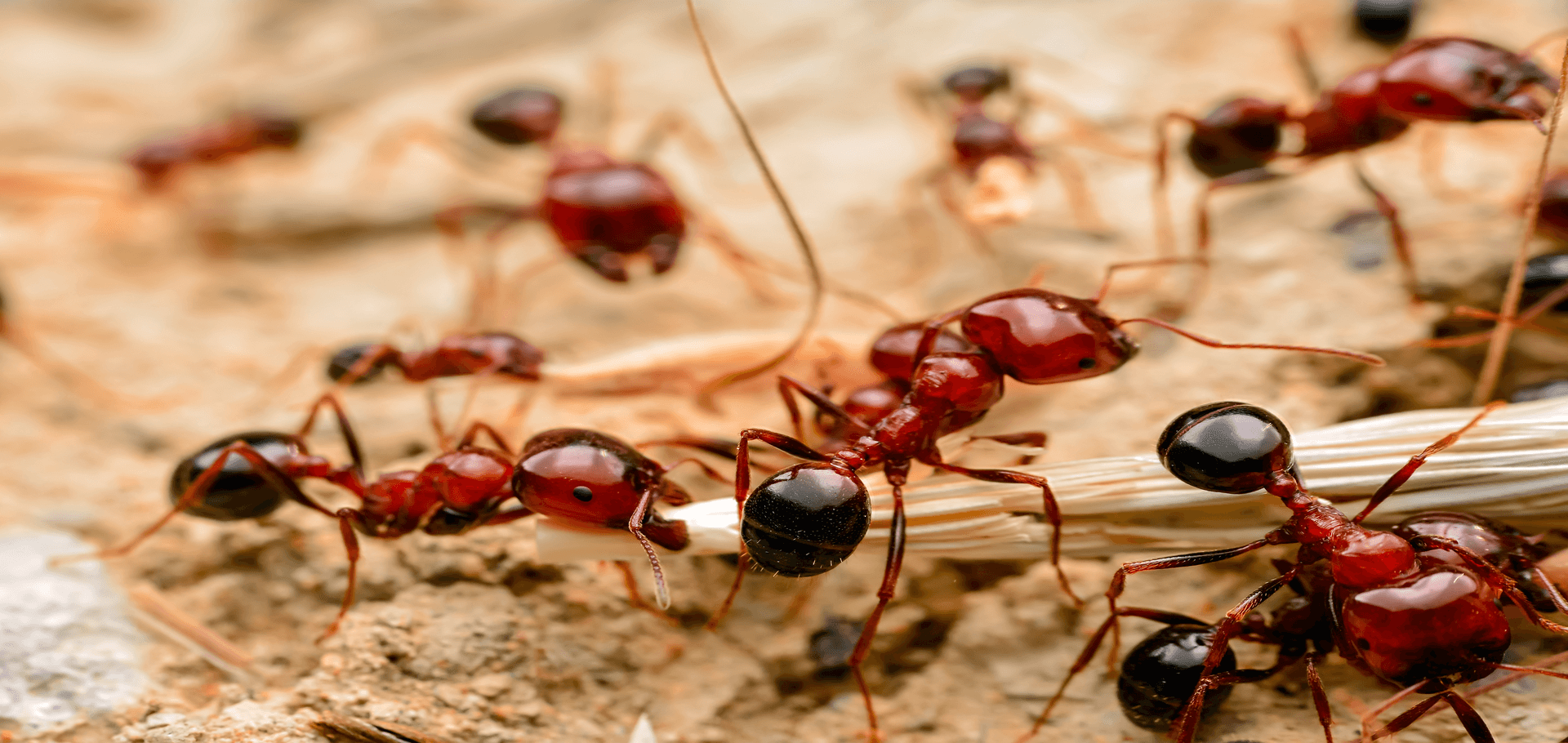
Credit: chorbie.com
Are All Fire Ants Red?
No. Most fire ants are red, but some have black or mixed colors. The red imported fire ant is the most common type and is red.
There are other fire ant species with different colors. Color alone is not the best way to identify fire ants.
Summary
Fire ants and red ants look similar but are not always the same. Fire ants are a special group known for their painful sting. Red ants include many species, some sting, many do not.
Fire ants live in large colonies and build big mounds. They are aggressive and found mostly in warm places.
Not all red ants sting or hurt. Many red ants are harmless and help the environment.
It is important to know the difference for safety and pest control. If you see red ants, watch carefully. Look at their nest, behavior, and sting.
This knowledge can help keep your home and yard safe from painful fire ant stings.