Many people find millipedes and centipedes in their homes or gardens. They often wonder, are these creatures poisonous? This article will explain the truth in simple words. You will learn about their differences, their dangers, and what to do if you see them.
What Are Millipedes and Centipedes?
Millipedes and centipedes are small animals with many legs. They live in soil, leaves, and dark places. Both belong to the group called arthropods. But they are not insects. They have more legs than insects.
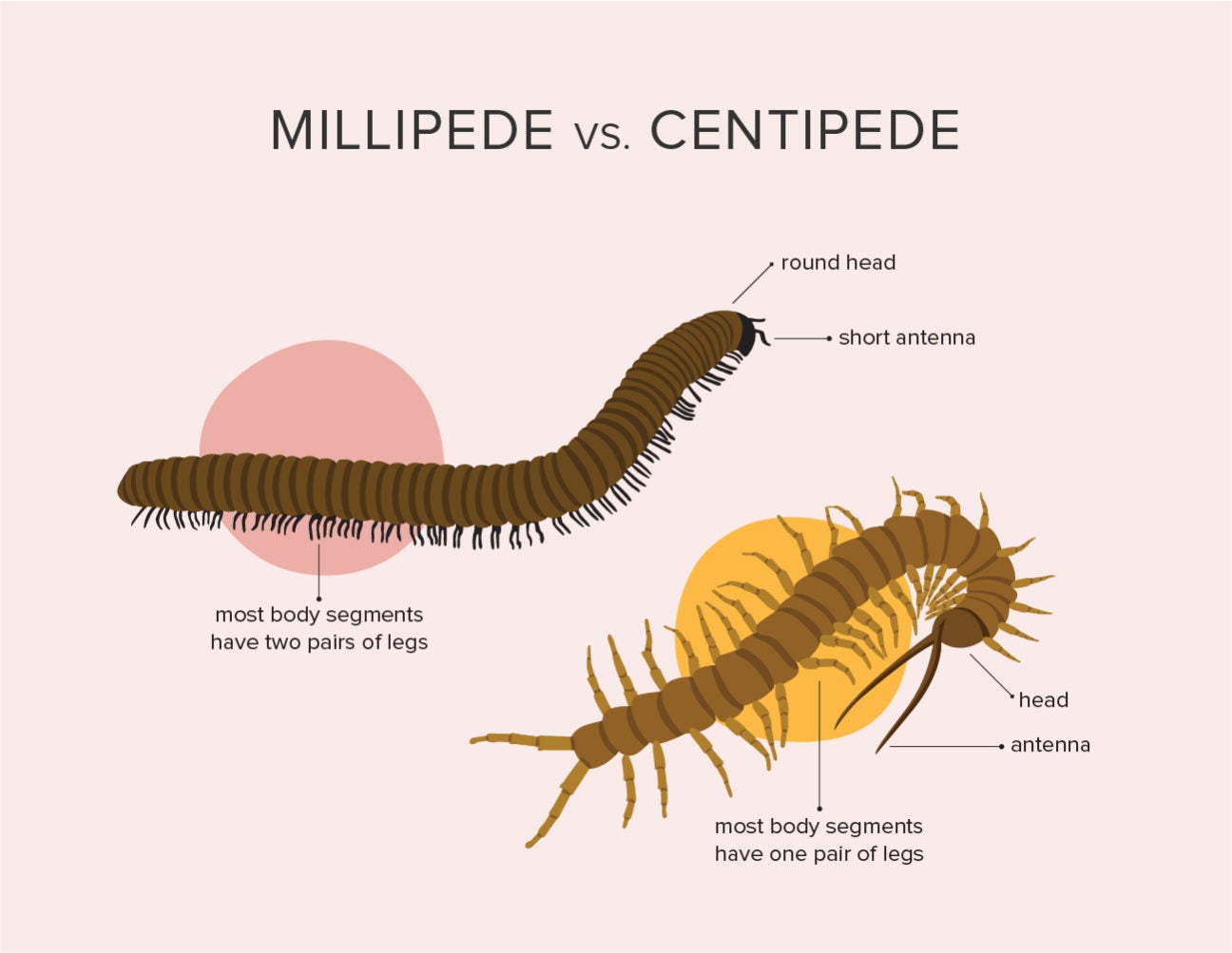
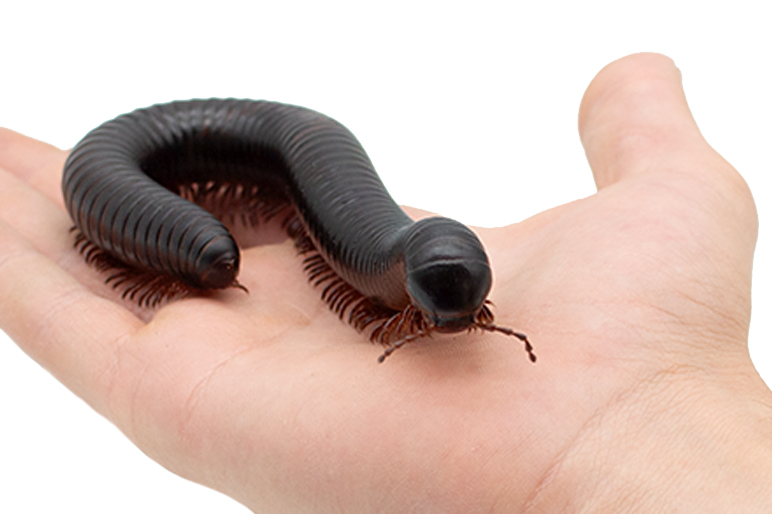
Millipedes
- Have two pairs of legs on each body segment.
- Move slowly and curl up when scared.
- Eat dead plants and help clean the soil.
- Are usually harmless to humans.
Centipedes
- Have one pair of legs per body segment.
- Move fast and can bite when threatened.
- Eat insects and small animals.
- Can be dangerous but rarely fatal to humans.
Are Millipedes Poisonous?
Millipedes do not bite or sting. They do not have poison glands like some animals. But many millipedes can release a liquid from their bodies.
This liquid is not poison, but it can cause problems if it touches your skin or eyes. It may cause redness, itching, or small rashes. This is because the liquid is a type of chemical called irritant.
Millipedes use this liquid to keep away animals that want to eat them. This is a defense method. The liquid smells bad and tastes bad too.
So, millipedes are not poisonous in the sense that they cannot kill or seriously harm you. But it is better to avoid touching them with bare hands. If you do touch them, wash your hands well with soap and water.
What To Do If Millipede Liquid Gets On Your Skin
- Wash the area with soap and water immediately.
- Avoid rubbing your eyes or face.
- If irritation or rash appears, use a cold compress.
- See a doctor if symptoms get worse.
Credit: www.healthline.com
Are Centipedes Poisonous?
Centipedes are different. They have poison glands inside their bodies. They use poison to catch and kill their prey. They can also use it to defend themselves.
Centipedes can bite humans if they feel threatened. Their bite injects venom. This venom can cause pain and swelling.
But centipede bites are rarely dangerous. Most bites hurt like a bee sting. The pain may last for a few hours or days.
Some people may have stronger reactions. Allergies or infections can happen. In very rare cases, bites can be serious and need medical help.
Centipede Bite Symptoms
| Common Symptoms | Severe Symptoms (Rare) |
|---|---|
| Pain and redness at bite site | Difficulty breathing |
| Swelling | Severe swelling spreading beyond bite |
| Itching | Fever or chills |
| Mild headache | Rapid heartbeat |
What To Do If Bitten By A Centipede
- Clean the bite with soap and water.
- Apply a cold pack to reduce pain and swelling.
- Take over-the-counter pain medicine if needed.
- Watch for signs of allergic reaction.
- Seek medical help if symptoms worsen.
How To Tell Millipedes and Centipedes Apart
It is important to know which creature you have found. Millipedes and centipedes look similar but behave differently.
| Feature | Millipedes | Centipedes |
|---|---|---|
| Legs per body segment | Two pairs | One pair |
| Body shape | Rounded and long | Flattened and long |
| Movement speed | Slow | Fast |
| Behavior when scared | Curls into a ball | Runs away or bites |
| Can bite humans? | No | Yes |
Credit: insektenliebe.com
Are Millipedes and Centipedes Dangerous to Pets?
Pets like cats and dogs may catch or eat these creatures. Millipedes usually do not harm pets. But the liquid they release can irritate pets’ skin or mouth.
Centipedes can bite pets. This may cause pain and swelling. If your pet is bitten, watch it closely. If it shows unusual signs, see a vet.
How To Keep Millipedes and Centipedes Away
If you do not want these creatures in your home, try these tips:
- Keep your house clean and dry.
- Remove piles of leaves, wood, or mulch near your home.
- Seal cracks and holes in walls and doors.
- Use a flashlight to check dark corners.
- Use natural repellents like cedar chips or diatomaceous earth.
These steps help reduce places where millipedes and centipedes hide.
Frequently Asked Questions
Are Millipedes Poisonous To Humans?
Millipedes are not poisonous but can release a mild toxin. This toxin may cause skin irritation or mild rashes in some people.
Can Centipedes Bite And Cause Harm?
Centipedes can bite and inject venom. Their bite may cause pain, swelling, and redness but is rarely dangerous.
Do Millipedes And Centipedes Carry Diseases?
Neither millipedes nor centipedes spread diseases to humans. They mainly avoid people and do not live inside homes.
How To Treat A Centipede Bite?
Clean the bite area with soap and water. Use ice to reduce pain and swelling, and seek medical help if severe.
Conclusion
Millipedes and centipedes are common creatures with many legs. They look alike but are different in many ways.
Millipedes are not poisonous. They cannot bite. They release a harmless but irritating liquid.
Centipedes can bite and inject venom. Their bite is painful but usually not dangerous.
Both animals help the environment by eating pests or dead plants.
It is best to leave them alone. If you find them inside, use safe ways to remove them.
Understanding these creatures helps you stay safe and respect nature.