Have you ever spotted cockroaches scurrying around your home and wondered if they might be munching on your wooden furniture or walls? The idea of these creepy critters eating wood can send shivers down your spine.
But is it really true? Understanding what cockroaches eat and whether your wooden belongings are at risk is important to keep your home safe. Keep reading, because you might be surprised by what you discover about these common household pests and how they interact with wood.
Your peace of mind starts here.
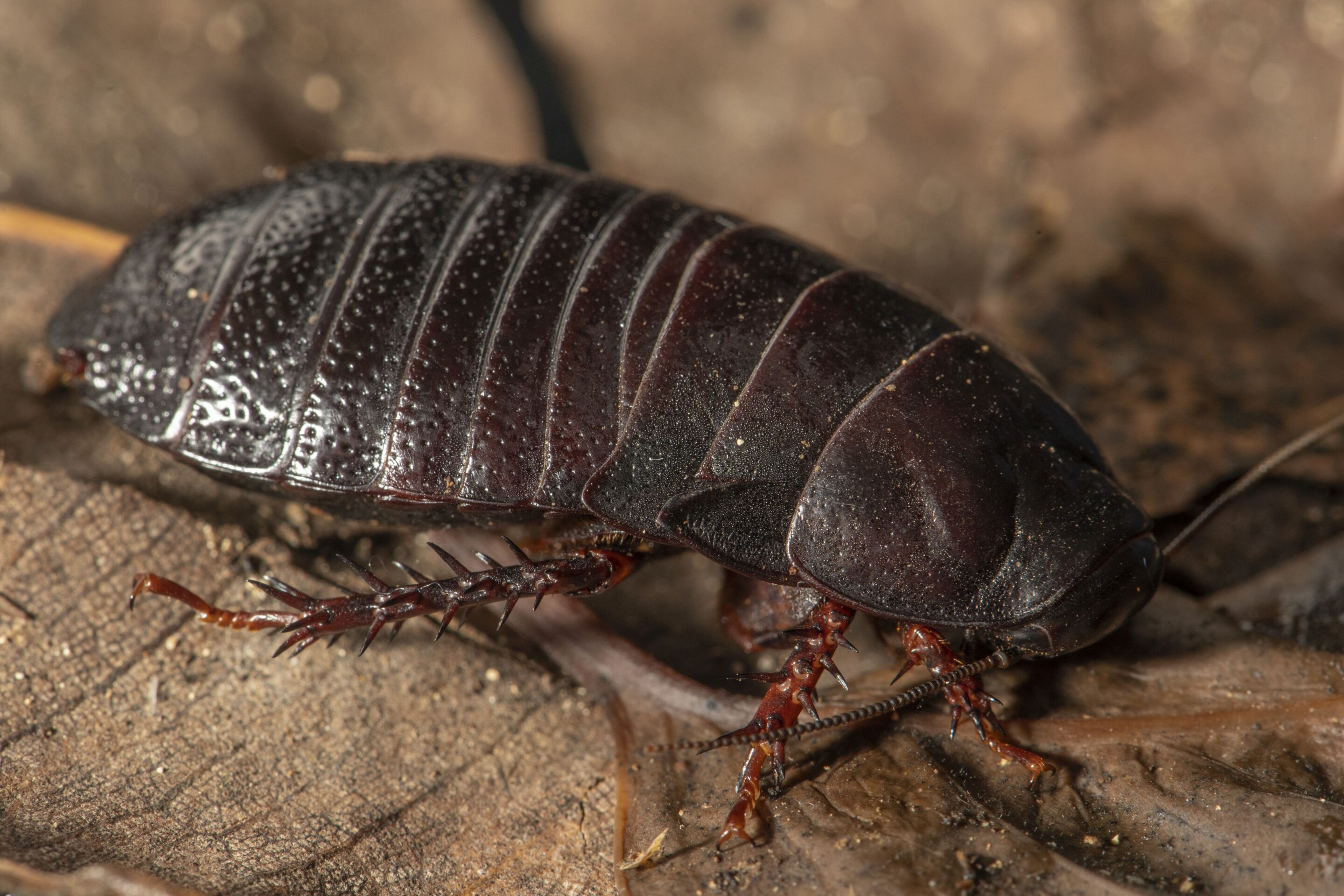
Credit: phys.org
Cockroach Diet Basics
Cockroaches are tough survivors. They eat many types of food. Their diet helps them live in different places. Understanding what cockroaches eat explains if they eat wood. This section covers the basics of their diet.
Knowing their food choices helps control their presence. Cockroaches need certain nutrients to grow and reproduce. Their diet is flexible but follows simple rules.
Common Foods Cockroaches Prefer
Cockroaches like foods rich in starch and sugar. They eat crumbs, leftover food, and grease. Paper, glue, and fabrics also attract them. Fruits and vegetables in homes are common targets. They can survive on almost anything edible.
Some species prefer decaying matter or animal products. They are not picky and eat what is available. This makes them hard to get rid of.
Nutritional Needs Of Cockroaches
Cockroaches need proteins, fats, and carbohydrates. Proteins help build their bodies. Carbohydrates give them energy to move and grow. Fats are important for long-term energy storage.
Water is also vital for their survival. They find moisture in damp places or food. Without water, cockroaches cannot live long.
Their diet adapts to what is around. This flexibility helps them survive in many environments.

Credit: cockroachsavvy.com
Wood As A Food Source
Wood can serve as a food source for some insects. These creatures break down tough plant fibers to survive. Cockroaches are often seen in places with decaying wood. This raises the question: do they actually eat wood?
Understanding how insects use wood helps us learn about their habits. Not all insects can digest wood fully. Some only eat it to get moisture or other nutrients.
Can Cockroaches Digest Wood?
Cockroaches have some ability to digest wood. They rely on gut bacteria to help break down cellulose. Cellulose is the main component in wood. This process is slow and less efficient than in other insects. Cockroaches mainly feed on decayed wood, not fresh wood. They use wood as a source of fiber and energy. This makes wood a partial food source rather than a main diet.
Comparison With Termites And Other Wood-eaters
Termites are true wood-eaters. They have special microbes that fully digest wood. Termites can break down fresh and hard wood easily. Other wood-eaters like carpenter ants do not eat wood. They only tunnel through it to make nests. Cockroaches fall between these groups. They digest some wood but depend on decayed material. This difference affects how much damage each insect can cause.
Behavior Around Wood
Cockroaches often appear near wood in homes and buildings. Their behavior around wood is important to understand. They do not eat wood like termites but use it for shelter and moisture. Wood offers dark, tight spaces that cockroaches prefer. They hide in cracks, crevices, and behind wooden furniture.
Knowing why cockroaches gather near wood helps control them. Spotting signs of their activity on wooden surfaces aids early detection. This knowledge keeps wood safe and reduces cockroach problems.
Why Cockroaches Are Found Near Wood
Cockroaches seek warm, dark, and moist places. Wood often meets these needs. It can hold moisture, especially if damp or rotting. This moisture attracts cockroaches looking to drink and stay hydrated.
Wood surfaces provide many hiding spots. Cracks, joints, and gaps in wooden furniture serve as safe spaces. Cockroaches use these to avoid light and predators. They also rest and breed in these areas.
Wood near kitchens and bathrooms is common cockroach habitat. Food crumbs and spills nearby add to the attraction. These insects find easy food and shelter close together.
Signs Of Cockroach Activity On Wooden Surfaces
Look for dark, oily spots on wood. These are cockroach droppings and marks. They appear near hiding and feeding areas. Small egg cases may also be found in cracks.
Wood may have scratch marks from cockroach movement. You might see shed skins near wooden furniture. Cockroaches molt as they grow, leaving these behind.
A musty, oily smell can signal heavy infestation. Sounds of rustling or movement may come from wooden areas. These signs mean cockroaches use wood as a base.
Damage Potential To Wood
Cockroaches are common pests in many homes. People often ask if these insects can damage wood. Understanding their damage potential helps protect wooden furniture and structures. Cockroaches do not eat wood like termites do, but they can still cause harm. Their presence can lead to indirect damage that affects wood over time.
Extent Of Damage Caused By Cockroaches
Cockroaches mainly feed on food scraps and organic matter. They do not chew or bore into wood. However, they leave behind droppings and shed skins. These wastes can stain wooden surfaces. Moisture from cockroach activity may encourage mold growth. Mold weakens wood and causes it to decay faster. Over time, this can reduce wood’s strength and appearance. So, damage from cockroaches is usually slow and indirect.
Distinguishing Damage From Other Pests
Termites and carpenter ants are well-known wood destroyers. They create tunnels and holes inside wood. Wood damaged by these pests looks eaten and hollow. Cockroach damage does not involve boring holes. Instead, it appears as surface stains or mold patches. Identifying the type of damage helps choose the right treatment. If holes are present, termites or ants are likely the cause. For stains and mold, cockroach activity may be responsible.
Preventing Cockroach Infestations
Cockroach infestations cause many problems in homes. They spread germs and damage property. Preventing these pests starts with good habits and smart choices. Taking care of your home reduces the chances of cockroaches settling in. Small steps can make a big difference in keeping your space clean and safe.
Wood Maintenance Tips
Keep wood dry to stop cockroach attraction. Moist wood invites pests and leads to decay. Fix leaks and clean spills quickly. Seal cracks and holes in wooden furniture and walls. Use protective coatings on wood surfaces for extra defense. Regularly inspect wood for signs of damage or pest activity. Proper wood care helps keep cockroaches away and protects your home.
Effective Cockroach Control Methods
Clean your home thoroughly and often. Remove food crumbs and store food in sealed containers. Take out trash regularly and keep bins covered. Use cockroach baits and traps in problem areas. Consider natural repellents like bay leaves or essential oils. If infestation is severe, call a pest control expert. Consistent control methods stop cockroaches from multiplying and spreading.
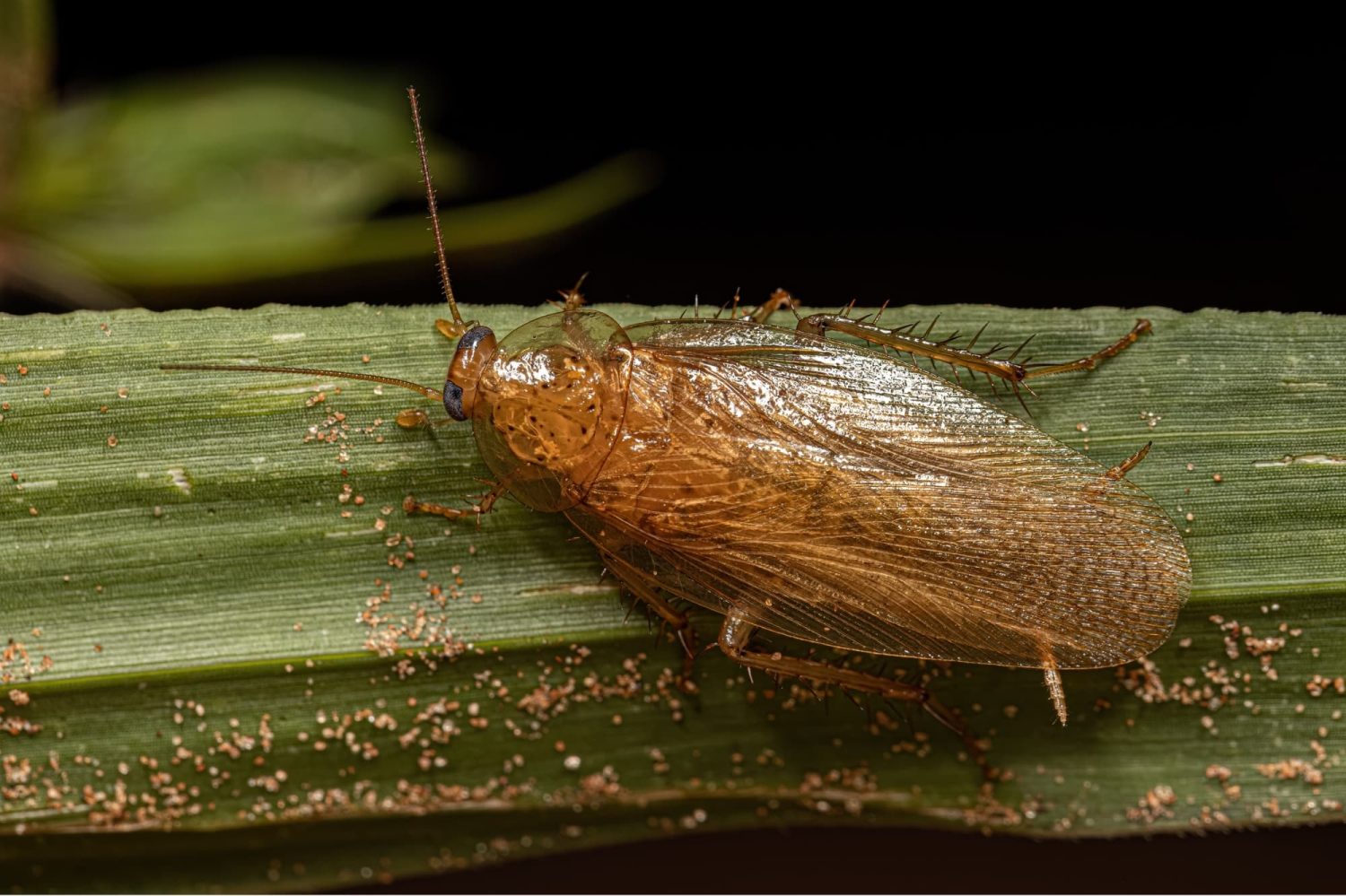
Credit: jamesriverpestsolutions.com
Frequently Asked Questions
Do Cockroaches Actually Eat Wood?
Cockroaches do not typically eat wood. They prefer organic matter like food scraps and decaying material. However, they may nibble on wood if no other food is available, but they are not wood-destroying pests.
Can Cockroaches Damage Wooden Furniture?
Cockroaches rarely damage wooden furniture. They mainly scavenge for food and moisture. Any wood damage is usually caused by termites or carpenter ants, not cockroaches.
What Attracts Cockroaches To Wooden Structures?
Cockroaches are attracted to moisture and food residue around wooden structures. Damp, unclean areas near wood provide ideal conditions for them. Keeping wood dry and clean helps prevent infestations.
How To Prevent Cockroaches In Wooden Homes?
Seal cracks and crevices in wooden homes to block entry. Keep areas clean and dry. Use baits or traps and consider professional pest control for severe infestations.
Conclusion
Cockroaches do not usually eat wood like termites. They prefer food scraps and waste. Still, they may damage wood if it has fungus or is soft. Keeping your home clean helps stop cockroach problems. Seal cracks and fix leaks to block their entry.
Watch for signs of cockroaches near wood areas. Early action can protect your home from harm. Stay alert and maintain good hygiene for safety. Simple steps keep both cockroaches and wood damage away.