Many people find earwigs in their homes and wonder if they can damage clothes. Earwigs are small insects with pincers at the back of their bodies. They are often seen in gardens or damp places. But do these bugs eat clothes? Let’s find out.
What Are Earwigs?
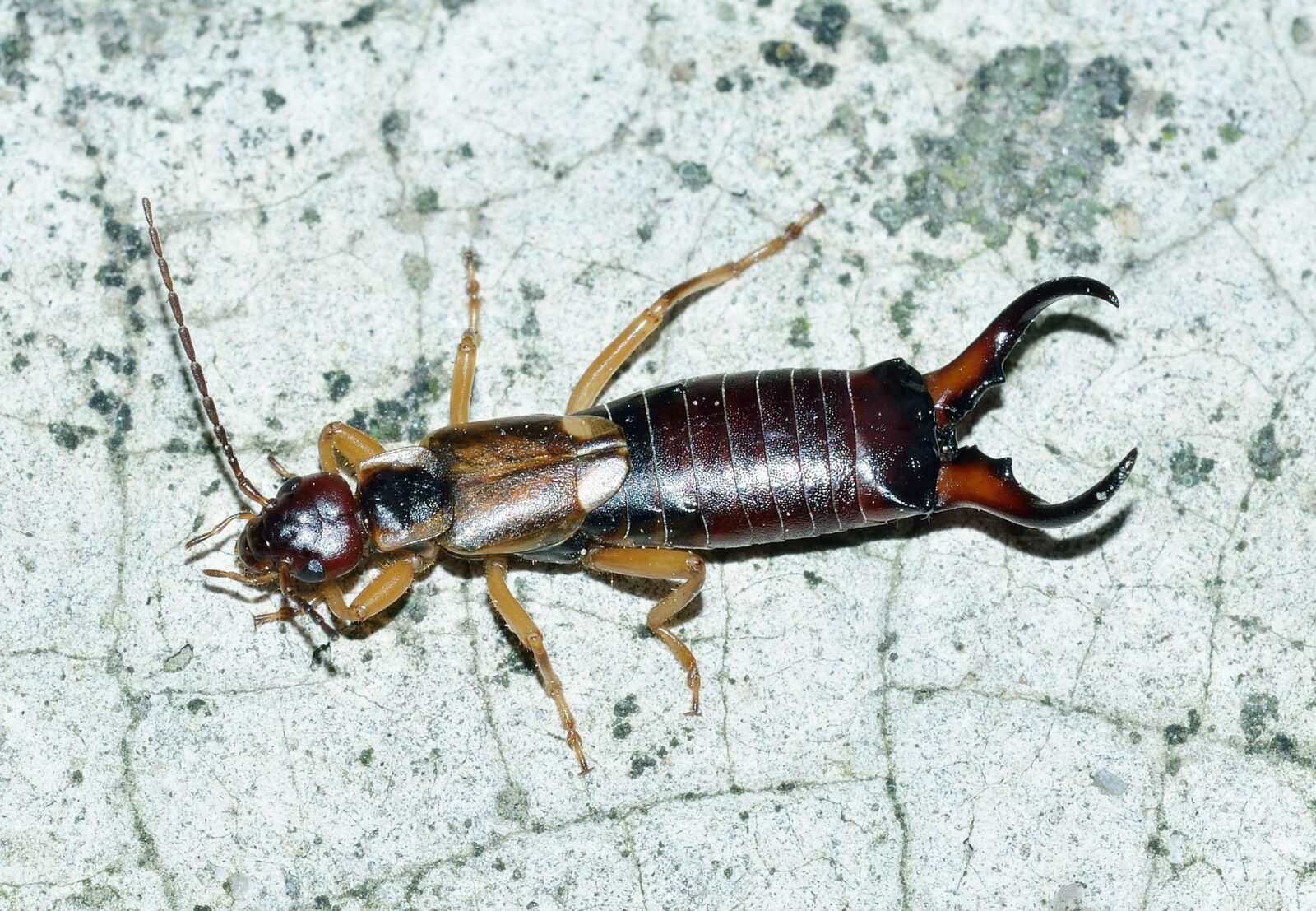
Earwigs are insects that live in cool, moist places. They hide under leaves, stones, or wood during the day. At night, they come out to look for food. Earwigs have long bodies and two pincers on their back. They are mostly brown or black.
These insects are not dangerous to humans. They do not bite or sting. However, some people feel scared when they see earwigs inside their homes.

Credit: www.reddit.com
What Do Earwigs Eat?
Earwigs mainly eat plants and small insects. They like soft leaves, flowers, and fruits. Sometimes, they eat dead insects or small animals. Earwigs are mostly scavengers.
In gardens, earwigs help by eating harmful pests. But they can also damage plants by eating leaves and flowers.
Credit: barrierpestcontrol.com
Do Earwigs Eat Clothes?
The short answer is no. Earwigs do not eat clothes. Clothes are made of fabric, like cotton, wool, or synthetic fibers. Earwigs do not have the mouthparts to chew cloth.
Earwigs prefer food that is soft and natural. They look for plants or small insects. Clothes do not provide food or water for them.
Sometimes, people think earwigs eat clothes because of holes or damage. But this damage is usually from other insects, like moths. Moths like wool and can make holes in clothes.
If you find holes in your clothes, it is more likely from moths or carpet beetles. Earwigs do not cause this kind of damage.
Why Do Earwigs Come Inside Homes?
Earwigs come inside homes to find shelter. They like dark, damp places. Bathrooms, basements, and kitchens are favorite spots.
Sometimes, earwigs enter homes by accident. They might follow light or come in through small cracks.
Earwigs do not want to live inside homes. They prefer outdoor places. But when the weather is cold or dry, they look for warm places inside.
How to Keep Earwigs Away from Your Clothes
Even though earwigs do not eat clothes, it is good to keep them away. Here are some simple tips:
- Keep clothes dry: Earwigs like damp places. Dry clothes are less attractive to them.
- Store clothes properly: Use sealed containers or bags for storage.
- Clean your closet: Remove dust and dirt regularly.
- Fix cracks: Seal small holes and cracks in walls and windows.
- Use natural repellents: Some plants like lavender or mint can keep insects away.
How to Get Rid of Earwigs
If you have many earwigs inside, you might want to remove them. Here are some easy ways:
- Use traps: Set up traps with rolled wet newspaper or cardboard. Earwigs hide there and you can throw them away.
- Turn off lights: Earwigs are attracted to light at night. Turning off outdoor lights can help.
- Keep your home dry: Fix leaks and use dehumidifiers.
- Clean outdoor areas: Remove piles of leaves, wood, or mulch near your house.
What Insects Eat Clothes?
Some insects do eat clothes. The most common are moths and carpet beetles. These bugs like natural fibers such as wool, silk, and cotton.
Moths lay eggs on clothes. When the larvae hatch, they eat the fabric. This causes holes and damage. Carpet beetles also eat natural fabrics and can cause similar harm.
To protect your clothes, store them in airtight containers. Regularly clean your closet to remove eggs or larvae.
Summary Table: Earwigs vs Clothes Damage
| Feature | Earwigs | Moths and Carpet Beetles |
|---|---|---|
| Eat Clothes | No | Yes |
| Preferred Food | Plants, small insects | Wool, silk, cotton |
| Damage to Clothes | No | Holes and tears |
| Common Habitat | Gardens, damp places | Closets, carpets |
Final Thoughts
Earwigs do not eat clothes. They are not a threat to your fabric. If you find holes in clothes, look for moths or beetles.
Earwigs can be annoying, but they mainly live outside. Keeping your home dry and clean helps prevent them.
Now you know the truth about earwigs and clothes. No need to worry when you see them. Just follow simple steps to keep your home insect-free.