Many pet owners ask, “Do flea and tick collars really work?” If you have a dog or cat, you might worry about these tiny pests. Fleas and ticks can cause problems for pets and people. They bite, itch, and sometimes spread diseases. So, it is important to protect your furry friend.
What Are Flea and Tick Collars?
Flea and tick collars are special bands you put around your pet’s neck. These collars slowly release chemicals that kill or repel fleas and ticks. The chemicals spread over your pet’s skin and fur. The idea is simple: keep pests away or kill them before they bite.
How Do Flea and Tick Collars Work?
These collars use different active ingredients. Some collars kill fleas and ticks. Others only repel them, so pests do not come near. Some collars last a few weeks. Others can work for several months.
When a flea or tick lands on your pet, it touches the chemicals. This can stop the pest from biting or make it die quickly. The collar works as long as it stays on and the chemicals keep releasing.
Do Flea and Tick Collars Really Work?
The answer is: it depends. Many flea and tick collars work well. They help to reduce the number of fleas and ticks on your pet. However, no collar can stop all pests 100%. Some pets still get fleas or ticks even with a collar.
The collar’s success depends on many things:
- Type of collar and chemicals used
- How well the collar fits your pet
- Your pet’s lifestyle and environment
- How long you use the collar
For example, if your dog plays outside a lot or goes into tall grass, ticks can still find a way. Also, some collars work better against fleas than ticks, or the other way around.
Types of Flea and Tick Collars
There are several types of collars. Each uses different chemicals. Here are a few popular ones:
| Collar Type | How It Works | Duration |
|---|---|---|
| Pyrethroid Collars | Kills fleas and ticks on contact | Up to 8 months |
| Insect Growth Regulator (IGR) Collars | Stops flea eggs from hatching | Several months |
| Repellent Collars | Keeps pests away without killing | Varies |
How to Use Flea and Tick Collars Correctly
Proper use is important for collars to work well. Follow these steps:
- Choose the right collar for your pet’s size and age.
- Put the collar around your pet’s neck.
- Make sure it fits snugly but not too tight.
- Trim the extra length of the collar if needed.
- Do not remove the collar unless you want to replace it.
- Check your pet regularly for any irritation.
Benefits of Flea and Tick Collars
Flea and tick collars offer many advantages:
- Easy to use: Just put it on your pet.
- Long-lasting: Some collars work for months.
- Continuous protection: Chemicals work all day.
- Cost-effective: Usually cheaper than monthly treatments.
- Water-resistant: Many collars still work after swimming or rain.
Limitations of Flea and Tick Collars
Collars are not perfect. Here are some limits:
- Not all collars kill fleas and ticks immediately.
- Some pets may have allergies or skin irritation.
- Collars may not protect pets well in heavy infestations.
- Some collars can lose effectiveness if they get dirty or wet.
- They may not protect pets from all parasites.

Credit: www.youtube.com
Are Flea and Tick Collars Safe?
Most flea and tick collars are safe when used correctly. But some pets may react to the chemicals. Watch your pet for:
- Redness or rash on the neck
- Excessive scratching or licking
- Swelling or hair loss
- Signs of sickness like vomiting
If you see these signs, remove the collar and talk to a vet. Always buy collars approved by pet health authorities. Use collars made for your pet’s size and species.
Other Ways to Fight Fleas and Ticks
Collars are one way to protect pets. You can also try:
- Topical flea and tick treatments (drops on skin)
- Oral flea and tick pills
- Regular pet baths with flea shampoos
- Cleaning your home and pet bedding often
- Vacuuming carpets and furniture regularly
- Keeping your yard clean and trimmed
Using several methods together works best. Fleas and ticks live in many places. They can come back if not controlled well.
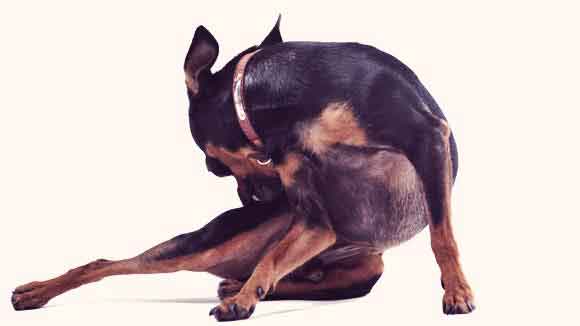
Credit: www.petcarerx.com
Tips to Choose the Right Flea and Tick Collar
Picking the right collar can be hard. Here are tips:
- Check if the collar kills or repels pests.
- Look for collars that last several months.
- Choose collars made for your pet’s size and weight.
- Read customer reviews to learn about real results.
- Ask your vet for advice on the best collar.
- Make sure the collar has clear instructions.
Conclusion
So, do flea and tick collars work? Yes, but with some limits. Many collars help reduce fleas and ticks on pets. They are easy to use and last a long time. But collars may not stop all pests or work for every pet. Some pets may have skin problems from collars.
The best way is to use collars with other treatments. Keep your pet and home clean. Check your pet often for fleas and ticks. Talk to your vet to find the best plan. Protect your pet well so it stays happy and healthy.