Many cat owners wonder if indoor cats need flea and tick prevention. Fleas and ticks are pests that can bother cats. They can also cause health problems. But indoor cats stay inside most of the time. So, do they really need protection?
What Are Fleas and Ticks?
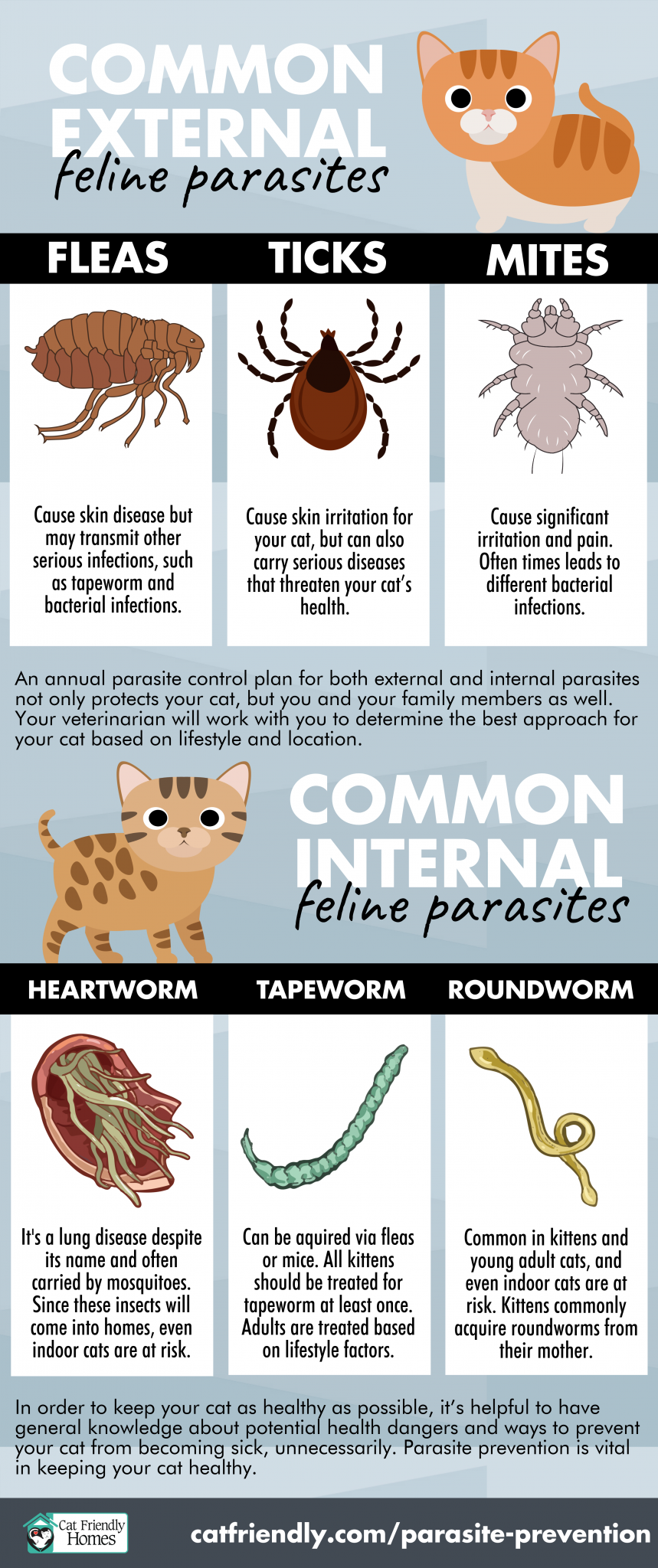
Fleas are tiny insects. They live on animals and bite their skin. Fleas can make cats itchy. They can cause skin problems and even allergies. Fleas can also carry diseases.
Ticks are small bugs. They attach to animals and suck blood. Ticks can spread serious illnesses to cats. Some ticks are very hard to see because they are small.
Credit: www.petmd.com
How Do Fleas and Ticks Get On Cats?
Fleas and ticks usually live outside. They wait on grass, bushes, or soil. When an animal walks by, they jump on it. That is how they spread.
Even indoor cats can get fleas or ticks. How? Here are some ways:
- You bring fleas or ticks into your home on clothes.
- Other pets, like dogs that go outside, can bring pests inside.
- Open windows or doors can let pests in.
- Visitors or family members might carry fleas or ticks.
Can Indoor Cats Get Fleas and Ticks?
Yes, indoor cats can get fleas and ticks. It is less common than outdoor cats, but it can happen. Fleas can quickly multiply inside your home. A few fleas can turn into many in a short time.
Ticks are less common indoors. But they can still enter your home on other pets or people. Even one tick can bite your cat and cause problems.
Credit: catfriendly.com
Why Do Indoor Cats Need Flea and Tick Prevention?
Prevention is better than cure. Fleas and ticks cause many problems for cats:
- Itching and scratching that hurt the skin.
- Allergies that cause redness and hair loss.
- Diseases that can be serious or deadly.
- Discomfort that can make cats unhappy.
Indoor cats may seem safe, but pests can still reach them. Using prevention can keep your cat safe and healthy.
Types of Flea and Tick Prevention for Indoor Cats
There are many products to protect cats from fleas and ticks. Some are easy to use and safe for indoor cats:
| Type | Description | How to Use |
|---|---|---|
| Topical Treatments | Liquid medicine applied to the cat’s skin. | Put drops on the back of the neck once a month. |
| Oral Medications | Pills or chewables that kill fleas and ticks. | Give the cat a pill once a month or as directed. |
| Flea Collars | Worn around the neck to repel pests. | Put the collar on the cat and replace as needed. |
| Sprays and Shampoos | Used to kill fleas on the cat’s fur. | Spray or bathe the cat as per product instructions. |
Choosing the Right Prevention for Your Indoor Cat
Not all flea and tick products are safe for cats. Some are made only for dogs. Always check with a vet before using any product.
Consider these tips:
- Choose products labeled for cats.
- Ask your vet about the best option for your cat’s age and health.
- Use prevention regularly, even if your cat stays indoors.
- Follow product instructions carefully.
Other Ways to Protect Your Indoor Cat
Besides using prevention products, you can do more to keep your cat safe:
- Keep your home clean. Vacuum floors and furniture often.
- Wash your cat’s bedding regularly in hot water.
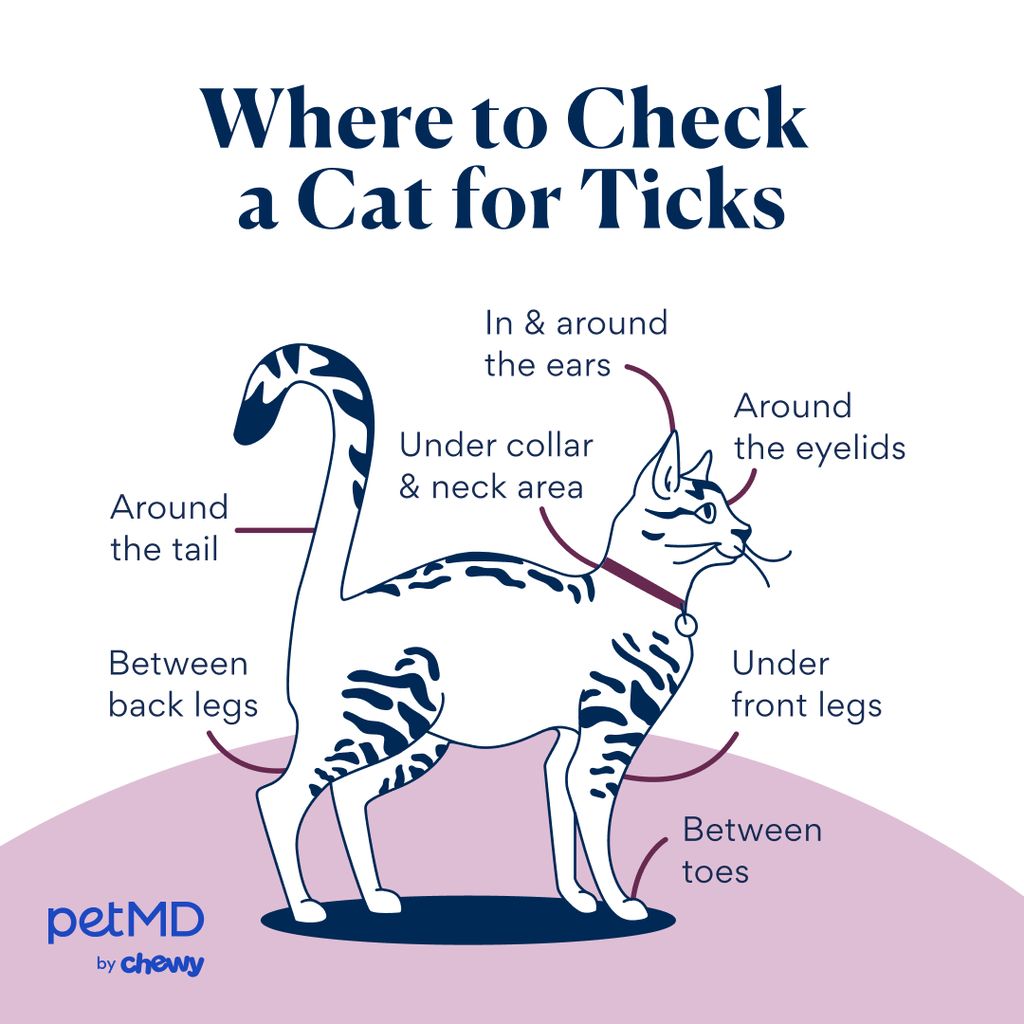
- Check your cat’s fur for fleas or ticks weekly.
- Keep doors and windows screened to stop pests.
- Limit your cat’s contact with outdoor animals.
Signs Your Indoor Cat May Have Fleas or Ticks
You should watch for signs that your cat has pests. Here are some common signs:
- Scratching or biting their fur more than usual.
- Red or irritated skin.
- Hair loss or bald patches.
- Small black dots in the fur (these are flea dirt).
- Seeing tiny bugs moving on your cat’s skin.
If you see any of these signs, check your cat carefully. Call your vet for advice if needed.
Can Fleas or Ticks Harm Humans?
Yes, fleas and ticks can bite people too. Fleas can cause itchy bites. Ticks can spread diseases to humans. Keeping your cat free of fleas and ticks helps protect your whole family.
Conclusion
Indoor cats can get fleas and ticks. It is less likely than outdoor cats but still possible. Fleas and ticks cause pain and illness. Preventing them keeps your cat happy and healthy.
Use safe flea and tick prevention for your indoor cat. Keep your home clean and check your cat often. Talk to your vet about the best way to protect your pet.
Remember, prevention is simple and important. It helps your cat live a comfortable life inside your home.