Many people ask, “Do ticks live in the winter?” This is a good question. Ticks are small bugs. They can bite humans and animals. Their bites may cause sickness. So, it is important to know when ticks are active.
What Are Ticks?
Ticks are tiny creatures. They look like small spiders. Ticks live outside. They like warm and moist places. They can be found in grass, leaves, and bushes. Ticks wait on plants for animals or people to pass by. Then, they jump on them.
Do Ticks Die in Winter?
Many people think ticks die in winter. But the truth is more complex. Ticks do not always die in cold months. Some ticks can survive cold weather. They hide in places that protect them from cold.
Ticks can stay under leaves, snow, or soil. These places keep them warm and safe. So, ticks do not usually die just because of winter. They find ways to live through the cold.
How Do Ticks Survive the Cold?
- Hiding under leaves or snow: This stops them from freezing.
- Going into a deep sleep: This is called diapause. It slows their body down.
- Finding warm spots: Near animal homes or in soil.
Because of these methods, ticks can live during winter. They do not stay active all the time. But they wait until the weather is better.
Are Ticks Active in Winter?
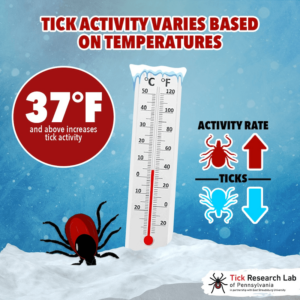
In most places, ticks are less active in winter. They move less and bite less. But in warm areas, ticks can stay active all year. For example, in the southern United States, ticks may bite even in winter.
If the temperature goes above 40 degrees Fahrenheit (4 degrees Celsius), ticks may come out. They look for food like animals or humans. So, it is possible to get tick bites during warm winter days.
Where Do Ticks Hide in Winter?
Ticks hide well in winter. They choose places like:
- Under thick leaf piles
- In tall grass
- Under snow cover
- In soil near tree roots
- Near animal dens or nests
These places keep ticks warm and moist. They wait quietly until spring comes.
Why Should You Care About Ticks in Winter?
Even if it is cold, ticks can still bite. Their bites can cause diseases. Lyme disease is one example. It can make people very sick. So, it is important to protect yourself from ticks all year.
Many people think they are safe from ticks in winter. But this is not true. Ticks can still be around. Taking care is always a good idea.

Credit: www.wondercide.com
How to Stay Safe from Ticks in Winter
You can do simple things to avoid tick bites. Here are some tips:
- Wear long clothes: Pants and long sleeves help protect skin.
- Use tick repellent: Apply on clothes and skin.
- Stay on paths: Avoid walking in tall grass or bushes.
- Check your body: Look for ticks after being outside.
- Check pets: Ticks can also bite animals.
Credit: www.ticklab.org
What Happens If a Tick Bites You?
If a tick bites you, remove it quickly. Use tweezers to pull it out. Grab the tick close to your skin. Pull straight up slowly. Do not squeeze or twist the tick.
After removing, clean the bite with soap and water. Watch the area for a few days. If you see a red spot or feel sick, see a doctor.
Ticks and Climate Change
Climate change affects ticks too. Warmer winters mean ticks can live longer. They can spread to new places. This means more people can meet ticks during winter.
So, it is important to know about ticks all year. Not just in summer or fall.
Summary Table: Ticks in Winter
| Question | Answer |
|---|---|
| Do ticks die in winter? | Not always. They hide and survive cold. |
| Are ticks active in winter? | Less active but can bite on warm days. |
| Where do ticks hide? | Under leaves, snow, soil, and near animals. |
| Can ticks cause sickness? | Yes. They can spread Lyme disease and others. |
| How to protect from ticks? | Wear clothes, use repellent, check body and pets. |
Final Thoughts
Ticks are tricky. They do not disappear in winter. They find ways to stay alive. Sometimes, they can still bite even when it is cold. So, it is smart to stay careful all year.
Protect yourself and your family from ticks anytime. Check your skin and clothes after being outside. Use simple safety steps. This keeps you safe from tick bites and sickness.