Dealing with bed bugs can feel overwhelming, and choosing the right treatment is a big decision for you and your home. You’ve probably heard about heat treatment and chemical sprays, but which one really works best?
This choice affects not only how quickly you get rid of these pests but also the safety of your family and the long-term results. Keep reading to discover the key differences between heat treatment and chemical solutions, so you can make the smartest choice for your situation—and finally reclaim your space from bed bugs.

Credit: pestcontrolcalifornia.us
Heat Treatment Basics
Heat treatment is a popular method to get rid of bed bugs. It uses high temperatures to kill bugs at all stages. This method does not use chemicals. Many people prefer heat treatment because it is safe and effective.
This section explains the basics of heat treatment. You will learn how heat kills bed bugs, the tools used, and the time needed to complete the process.
How Heat Kills Bed Bugs
Bed bugs cannot survive high heat. When exposed to temperatures above 120°F (49°C), their body proteins break down. This causes them to die quickly. Heat kills bed bugs in eggs, nymphs, and adults. It reaches cracks and hidden places where sprays cannot reach.
Process And Equipment
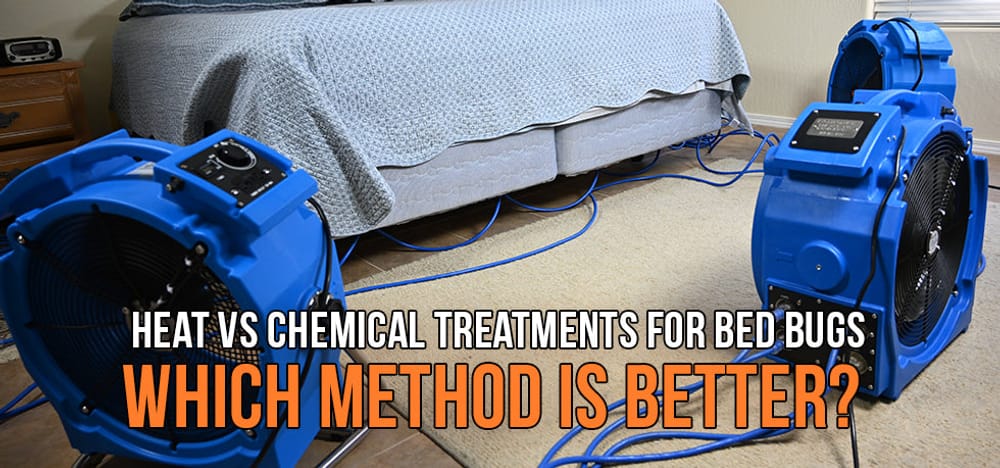
Heat treatment uses special heaters and fans. These machines raise the room temperature evenly. Professionals place sensors to monitor the heat. They move equipment to keep the heat steady. The process heats the entire room or house. This ensures no bed bugs survive in any spot.
Time And Temperature Requirements
The room must stay at 120°F to 135°F (49°C to 57°C). The heat stays for at least 2 to 4 hours. This time kills all bed bugs and eggs. Longer times may be needed for larger spaces. Proper time and temperature are key to success.
Chemical Treatment Essentials
Chemical treatment is a common way to fight bed bugs. It uses special insecticides to kill these pests. Understanding the basics helps to choose the right option.
Knowing the types of insecticides, how they are applied, and safety issues is important. This section explains these key points clearly.
Types Of Insecticides Used
Many insecticides work against bed bugs. Pyrethroids are popular for quick action. They attack the bug’s nervous system. Neonicotinoids are another type, useful for resistant bugs. Some treatments use desiccants, which dry out bugs. Each type works differently but aims to kill bugs fast.
Application Methods
Chemicals can be sprayed directly on bugs and hiding spots. Dusts get into cracks and crevices where bugs hide. Some treatments use aerosols for hard-to-reach areas. Professionals may use heat and chemicals together for better results. Proper application improves effectiveness and reduces bugs faster.
Safety And Environmental Concerns
Using chemicals needs care for health and environment. Some insecticides can irritate skin or eyes. Always follow label instructions for safe use. Keep pets and children away during treatment. Proper ventilation helps reduce chemical fumes. Eco-friendly options minimize harm to nature. Safety protects your family and the planet.
Effectiveness Comparison
Choosing the right method to treat bed bugs is important for complete control. Heat treatment and chemical treatment both have strengths. Comparing their effectiveness helps to decide which works best in different situations. This section breaks down their success rates, resistance issues, and how they impact bed bugs at different life stages.
Success Rates
Heat treatment usually kills bed bugs in one session. It uses high temperatures that bed bugs cannot survive. Many pest control experts report success rates above 90%. Chemical treatments can also be effective but often need several applications. Success depends on the chemical used and how well it is applied.
Resistance Issues
Chemical resistance is a growing problem. Bed bugs have adapted to some common pesticides. This makes chemicals less effective over time. Heat treatment does not face resistance. Bed bugs cannot develop protection against extreme heat. This gives heat treatment an advantage in resistant infestations.
Impact On Different Life Stages
Heat treatment kills bed bugs at all life stages, including eggs. Chemicals may not kill eggs well. This can cause bed bugs to return after treatment. Heat reaches into cracks and furniture where bugs hide. Chemical treatments might miss hidden eggs or bugs deep inside walls.
Credit: convectex.com
Cost And Time Factors
Cost and time are key factors when choosing between heat treatment and chemical methods for bed bugs. Both methods have different expenses and timelines. Understanding these differences helps you pick the best option for your needs.
Initial Expenses
Heat treatment usually costs more upfront. It requires special equipment and trained technicians. Chemical treatment tends to be cheaper at first. The products used are less expensive and easier to apply.
Long-term Costs
Heat treatment often stops bed bugs in one go. This can reduce future costs. Chemical treatment may need multiple visits. This can increase the overall price over time. Chemicals might also require buying extra products to keep bugs away.
Treatment Duration
Heat treatment works fast. Most jobs finish in one day. This means less disruption to your home. Chemical treatment takes longer. It can need several days or weeks to work fully. You might have to leave your home during the process.
Health And Safety Considerations
Choosing between heat treatment and chemical methods for bed bugs involves understanding health and safety risks. Both options affect people and pets differently. Knowing these effects helps you pick a safer solution.
Risks To Humans And Pets
Chemicals can irritate skin, eyes, and lungs. Children and pets are more sensitive to these effects. Heat treatment does not use harmful chemicals but involves high temperatures. These temperatures can cause burns or heat stress if not handled correctly.
Chemical Exposure
Chemicals may linger in the air and on surfaces after treatment. Breathing in fumes can cause coughing or headaches. Pets might lick treated areas and get sick. Proper ventilation and following instructions reduce risks. Always keep children and pets away during chemical use.
Heat Treatment Precautions
Heat treatment requires raising room temperature above 120°F. This heat kills bed bugs but can damage some belongings. It is important to remove heat-sensitive items before treatment. Professionals monitor temperature to avoid fire risks. People and pets must leave the area during the process.
Environmental Impact
The environmental impact of bed bug treatments plays a big role in choosing the best method. Both heat treatment and chemical treatment affect the environment differently. Understanding these effects helps in making a safer and greener choice for pest control.
Chemical Residue Concerns
Chemical treatments leave residues on furniture and floors. These residues can harm pets and children. Chemicals may take weeks to break down in the environment. They can also pollute water and soil. This makes chemical treatments less eco-friendly.
Energy Consumption
Heat treatment uses a lot of electricity to raise room temperatures. This high energy use can increase carbon emissions. Chemical treatments generally use less energy during application. Still, the overall environmental cost depends on chemical production and disposal.
Sustainability
Heat treatment is a more sustainable option as it uses natural heat. It does not introduce toxic substances into the home. Chemicals depend on synthetic ingredients that may not break down easily. Choosing heat reduces chemical pollution and supports a cleaner environment.
When To Choose Heat Treatment
Heat treatment is a strong choice against bed bugs in certain situations. It kills all bed bugs and their eggs by raising the temperature. This method works fast and does not leave chemicals behind. Here are some cases when heat treatment is the best option.
Severe Infestations
Heat treatment is perfect for heavy bed bug infestations. It reaches all cracks and hiding spots. The high heat kills bed bugs at every stage of life. This stops the problem quickly and fully. Chemicals may miss bugs in hidden places, but heat does not.
Sensitive Environments
Heat treatment suits places where chemicals are unsafe. Hospitals, schools, and homes with children or pets benefit from this method. It avoids harmful chemicals that can cause allergies or illness. Heat treatment only uses warm air and is eco-friendly.
Time Constraints
Heat treatment works fast, often in one day. It kills bed bugs quickly and allows quick return to the place. Chemical treatments may need several visits and time for drying. Heat treatment saves time and gets rid of bed bugs faster.

Credit: www.beebespest.com
When To Opt For Chemical Treatment
Chemical treatment is a common choice to fight bed bugs. It uses pesticides to kill these pests. Knowing when to choose chemical treatment helps save time and money. It also ensures safety for your home and family. Some situations suit chemical treatment better than heat treatment.
Localized Infestations
Chemical treatment works well for small or limited infestations. When bugs hide in one or two rooms, chemicals target those spots. This method quickly controls pests in tight areas. It avoids heating the entire house. A focused approach is often enough to remove bed bugs here.
Cost Limitations
Chemical treatment usually costs less than heat treatment. This option fits better for those on a budget. It requires less equipment and energy to apply chemicals. For many, chemical treatment offers an affordable way to fight bed bugs. It can be done multiple times without high expenses.
Availability Of Products
Chemical products for bed bugs are widely available. Homeowners can buy sprays, powders, and aerosols at local stores. Professional pest control companies also use various chemicals. This wide availability makes chemical treatment easy to access. It remains a practical choice in many areas.
Combining Both Treatments
Combining heat treatment and chemical methods offers a strong solution for bed bug control. Each method targets bed bugs differently. Using both together can increase the chance of complete removal. This approach covers weak points of each treatment alone. It also helps manage stubborn infestations more effectively.
Integrated Pest Management
Integrated Pest Management (IPM) uses many methods to control pests safely. Combining heat and chemicals fits well in IPM plans. Heat kills bed bugs in all life stages by raising temperature. Chemicals target bugs in hidden cracks and crevices. Together, they reduce reliance on any single method. IPM focuses on long-term prevention and minimal harm.
Maximizing Effectiveness
Heat treatment works fast and kills bugs instantly. Chemicals can reach areas heat might miss. Using chemicals after heat treatment can kill any survivors. This two-step process ensures fewer bed bugs remain. Proper timing and application increase the success rate. It also lowers the chance of bed bugs developing resistance.
Preventing Reinfestation
Combining treatments helps stop bed bugs from coming back. Heat removes bugs and eggs in all rooms. Chemicals provide lasting protection on surfaces. This combination creates a safer barrier against new infestations. Regular monitoring and cleaning support these efforts. Together, they keep homes free from bed bugs longer.
Diy Vs Professional Services
Deciding between DIY and professional bed bug treatments can be tricky. Both options have clear differences. Understanding these can help you pick the best method for your situation. DIY methods might seem cheaper but carry risks. Professional services cost more but often provide better results. Let’s explore the pros and cons of each approach.
Pros And Cons Of Diy
DIY bed bug treatments save money upfront. You can buy sprays or heaters and apply them yourself. This option allows you to act quickly without waiting for an appointment.
But DIY methods may not kill all bed bugs. Bed bugs hide deep in cracks and furniture. Missing some bugs can cause the problem to return. DIY treatment also requires careful use of chemicals, which can be unsafe.
Heat treatment at home is hard to control. It needs special equipment to reach the right temperature. Without it, bugs can survive and multiply again.
Benefits Of Hiring Experts
Professional services use advanced tools and knowledge. They can find all hiding spots and treat them thoroughly. Experts know the best ways to kill bed bugs fast.
They also use safe chemicals and proper heat treatments. This lowers the risk to your family and pets. Professionals provide guarantees, so if bugs come back, they return to fix it.
Hiring experts saves time and stress. You avoid guessing which products work or how to apply heat correctly. They handle everything for you from inspection to cleanup.
Choosing The Right Service Provider
Look for companies with good reviews and licenses. Check if they specialize in bed bug removal. Ask about their treatment methods and guarantees.
Compare prices but avoid choosing only by cost. The cheapest service may not be the most effective. Make sure they explain the process clearly and answer your questions.
Choose a provider that uses both heat and chemical treatments if needed. This combined approach increases chances of success. Trust and communication are key to a smooth experience.
Conclusion
Choosing between heat treatment and chemicals depends on your needs. Heat kills bed bugs quickly and without chemicals. Chemical treatments can reach hidden bugs in cracks and corners. Heat is eco-friendly but may cost more upfront. Chemicals may require several visits for full effect.
Safety matters; heat avoids chemical exposure risks. Consider your budget, space, and health concerns. Both methods can work well with proper use. Think about what fits your home and lifestyle best. The right choice helps end bed bug problems for good.