Are you tired of spotting cockroaches scurrying around your home? You’re not alone.
These pests are not just creepy—they can also carry germs that threaten your health. But how exactly do cockroach traps work to keep these unwelcome visitors away? Understanding this can help you choose the right solution and finally take control of your space.
Keep reading, and you’ll discover simple, effective ways to make your home roach-free without harsh chemicals or expensive treatments.
Cockroach Behavior Insights
Cockroach traps work best when they match how cockroaches behave. Understanding their habits helps place traps in the right spots. It also helps choose the right bait to attract them.
These insects hide in dark, tight places. They look for food and water at night. Knowing these facts improves trap success.
Common Hiding Spots
Cockroaches like warm, dark, and moist places. They hide behind kitchen appliances, under sinks, and inside cabinets. Cracks in walls and floors also serve as shelters.
They avoid light and prefer areas close to food and water. Setting traps near these spots increases chances of catching them.
Feeding Habits
Cockroaches are scavengers. They eat crumbs, grease, and even paper. They need food to survive but can go without it for days.
Traps with food-based bait attract them easily. Using sweet or greasy bait works well to lure them in.
Activity Patterns
Cockroaches are mostly active at night. They come out to find food and mates. During the day, they stay hidden to avoid danger.
Placing traps before nightfall increases the chance of catching them. Traps left out during their active time catch more cockroaches.
Types Of Cockroach Traps
Cockroach traps come in several types. Each type works differently to catch or kill cockroaches. Choosing the right trap helps control pests effectively. Here are the main types of cockroach traps and how they work.
Glue Traps
Glue traps use sticky surfaces to catch cockroaches. The insects walk over the trap and get stuck. They cannot escape once caught. These traps do not kill instantly but hold the cockroaches in place. They are simple and do not use chemicals. Place glue traps near cockroach hiding spots for best results.
Bait Traps
Bait traps attract cockroaches with food and poison inside. The cockroaches eat the bait and carry poison back to their nest. This helps kill other cockroaches too. Bait traps work slowly but affect the entire colony. They are safe to use around pets and children if placed carefully.
Electronic Traps
Electronic traps use a small electric shock to kill cockroaches. The insects enter the trap and touch metal plates. The shock kills them quickly and painlessly. These traps are reusable and easy to clean. They do not use chemicals or poisons. Electronic traps are effective for small infestations.
How Glue Traps Capture Cockroaches
Glue traps work by using sticky surfaces that catch cockroaches when they walk on them. The glue holds the insects firmly, preventing escape. This simple method helps monitor and reduce cockroach activity indoors.
How Glue Traps Attract Cockroaches
Glue traps use a strong sticky surface to catch cockroaches. These traps often have scents or bait to lure the pests. Cockroaches smell the bait and walk onto the sticky area. The scent mimics food or shelter, drawing them closer.
How Cockroaches Get Stuck
Once a cockroach steps on the glue, its legs get trapped instantly. The glue is very strong and hard to escape. Cockroaches struggle, but the sticky surface holds them firmly. This prevents them from moving or hiding again.
Why Glue Traps Are Effective
Glue traps catch cockroaches without using poison. They help monitor pest levels in your home. These traps are safe around children and pets. You can see the trapped cockroaches easily and know when to replace the trap.
Role Of Bait In Traps
The bait in cockroach traps plays a key role in catching these pests. It lures the cockroaches inside the trap. Without effective bait, traps may fail to attract cockroaches. Bait works by appealing to the cockroach’s senses, drawing them in with food or chemical signals. The trap then uses poison or a capture mechanism to stop the pest.
Attractants Used
Cockroach baits use smells and tastes cockroaches like. Sweet foods, greasy substances, or protein sources are common attractants. Some baits release chemical signals called pheromones. These signals mimic those cockroaches use to communicate. The smell guides cockroaches to the trap. Strong attractants increase the chances cockroaches enter the trap.
Poison Mechanism
Most cockroach traps contain poison mixed with the bait. After eating, the poison harms the cockroach slowly. This delay allows the cockroach to return to its nest. The poison spreads to other cockroaches through contact or feces. This method helps reduce the whole cockroach population. The poison is safe for humans if used properly and kept out of reach of children and pets.
Placement Strategies For Traps
Placement strategies for cockroach traps play a big role in catching these pests. Poor placement lowers the trap’s chance of success. Understanding where to put traps helps in controlling infestations faster. Focus on areas cockroaches visit often. This increases the likelihood of trapping them.
Ideal Locations
Place traps near dark, damp places. Cockroaches like kitchens, under sinks, and behind appliances. Corners and cracks are perfect spots too. Look for signs like droppings or egg cases. These areas show where cockroaches travel and hide. Traps near food sources catch more roaches. Keep traps close to walls or baseboards. Cockroaches rarely wander far from walls. Use multiple traps in large rooms for better coverage.
Avoiding Common Mistakes
Do not place traps in open, bright areas. Cockroaches avoid light and open spaces. Avoid moving traps too often. Roaches learn to avoid traps moved regularly. Do not put traps where cleaning happens daily. Traps get removed or disturbed. Avoid placing traps near water leaks. Water can damage traps and reduce effectiveness. Do not place traps out of reach of cockroaches. Traps must be easy for roaches to find and enter.
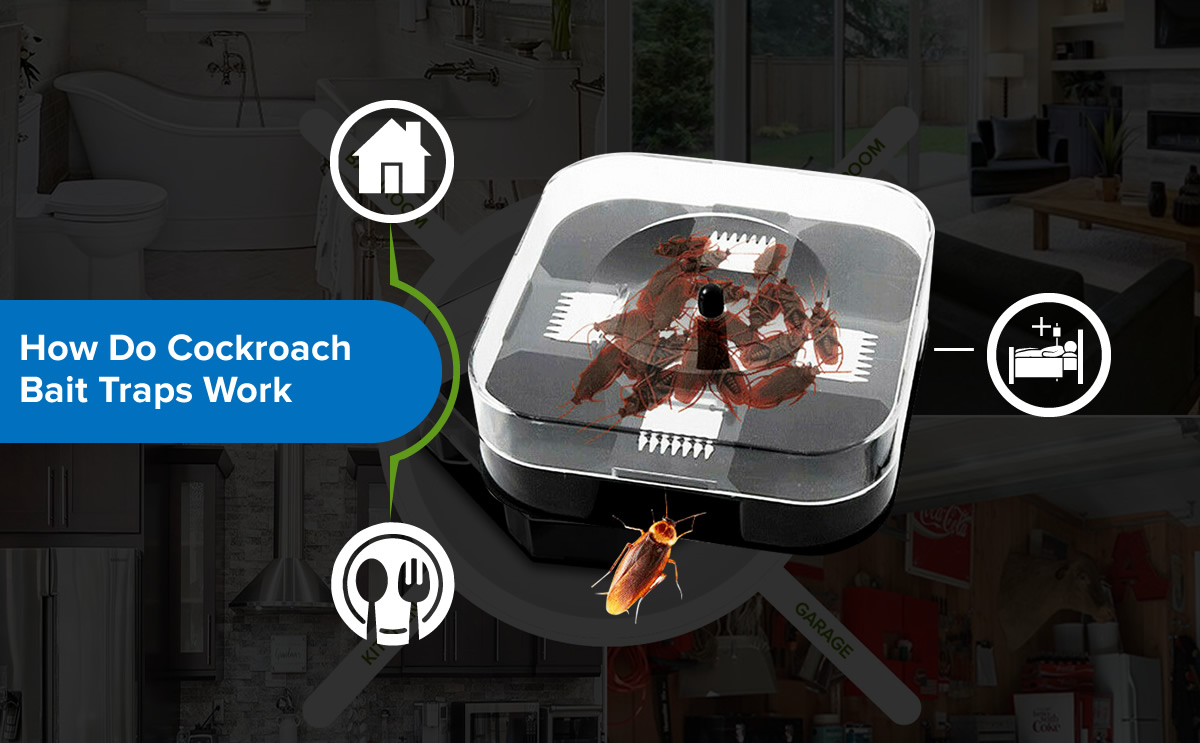
Credit: pestcontrolworldwide.com
Maintenance And Monitoring
Maintaining and monitoring cockroach traps is key to managing infestations effectively. Regular checks help keep traps working well and provide insight into pest activity. Simple upkeep extends trap life and improves results.
When To Replace Traps
Replace traps once they become full or lose their stickiness. Traps clogged with insects cannot catch more pests. Also, if traps look dirty or damaged, swap them out. Fresh traps attract cockroaches better and catch more.
Check traps every few days. Frequent replacement ensures traps stay effective. Use new traps in the same spots for consistent monitoring.
Tracking Infestation Levels
Use trap catches to track how bad the infestation is. More cockroaches caught means a higher infestation level. Note the number of insects caught each time you check traps.
This data helps decide if pest control steps are working. Fewer catches over time show improvement. If numbers stay high, consider stronger control methods.
Combining Traps With Other Methods
Using cockroach traps alone may not stop all pests. Combining traps with other methods improves control. It helps catch more roaches and stops new ones from entering. A few extra steps make a big difference in pest control.
Sanitation Practices
Cleanliness is key to reducing cockroach attraction. Remove food crumbs and spills quickly. Keep kitchen counters and floors clean every day. Store food in sealed containers to block roach access. Take out trash regularly to avoid odors. Dirty areas invite roaches to hide and breed.
Sealing Entry Points
Roaches enter homes through small cracks and holes. Seal gaps around doors, windows, and pipes. Use caulk or weatherstripping to close openings. Check walls and baseboards for tiny spaces. Blocking entry points stops new roaches from coming inside. It works well with traps to reduce pests.
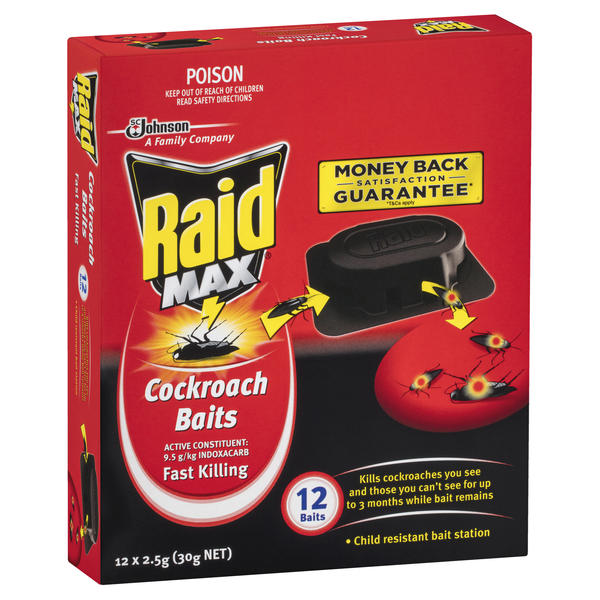
Credit: www.scjp.com
Safety Tips When Using Traps
Using cockroach traps can help control pests safely. Still, safety matters to protect your family and pets. Follow simple rules to use traps without risks. Keep traps effective and safe with smart steps.
Placement Away From Children And Pets
Put traps where kids and pets cannot reach. Cockroach traps may contain harmful bait. Avoid spots where pets play or children crawl. High shelves or behind appliances work well.
Read And Follow Instructions Carefully
Always read the trap package before use. Instructions guide safe and correct use. Do not skip steps or mix traps with other chemicals. Proper use keeps your home safe.
Wear Gloves When Handling Traps
Use gloves to place or remove traps. Bait or glue can irritate skin. Gloves protect you from direct contact. Wash hands after handling traps for extra safety.
Dispose Of Traps Properly
Throw away used traps in sealed bags. This stops cockroaches from spreading germs. Follow local waste rules for disposal. Clean the area after removing traps.
Monitor Traps Regularly
Check traps often to see results. Remove dead cockroaches quickly to avoid smells. Replace traps if they lose stickiness or bait. Regular checks keep your home fresh.
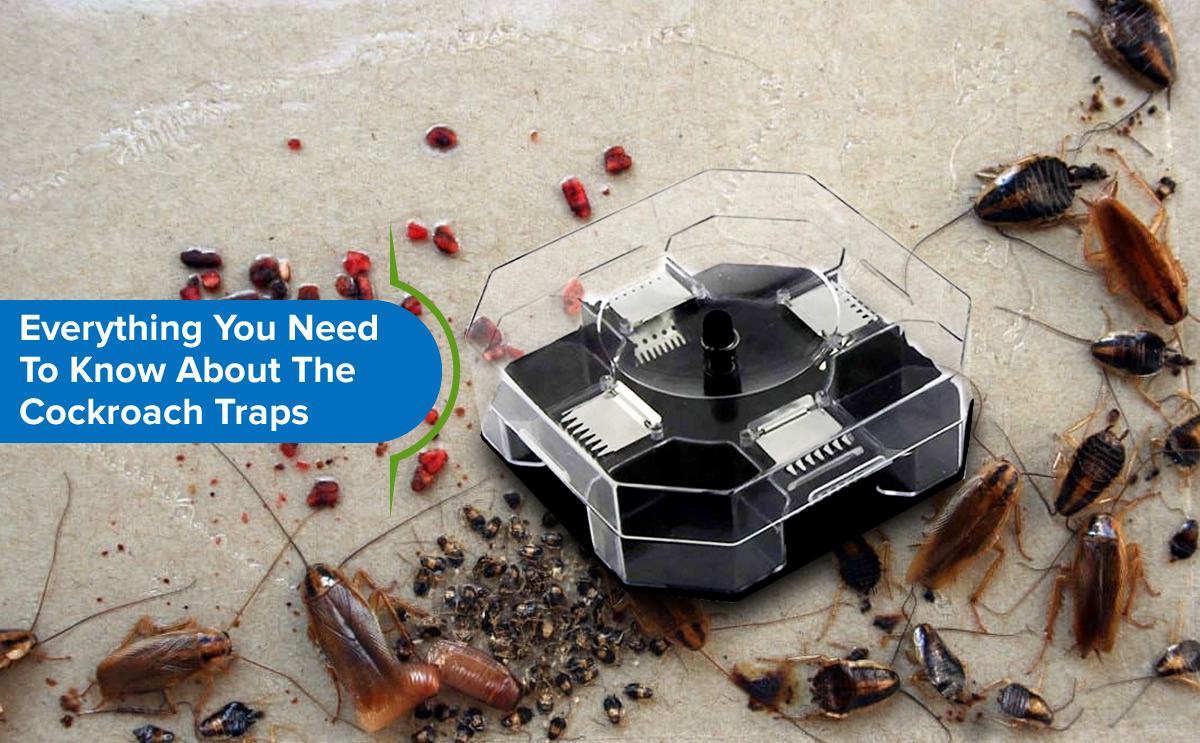
Credit: pestcontrolworldwide.com
Frequently Asked Questions
How Do Cockroach Traps Attract Roaches?
Cockroach traps use bait with food scents to lure roaches inside. The bait appeals to their natural feeding instincts. Once attracted, roaches enter the trap and cannot escape. This method effectively reduces roach populations without harmful chemicals.
Are Cockroach Traps Safe For Pets And Children?
Yes, most cockroach traps are safe around pets and kids. They use non-toxic bait and sticky surfaces instead of poisons. However, placing traps out of reach is recommended to avoid accidental contact. Always follow manufacturer safety guidelines for best results.
How Long Does It Take For Traps To Catch Cockroaches?
Cockroach traps can catch roaches within hours to a few days. The speed depends on roach activity and trap placement. Regular checking and replacing traps ensure continuous pest control. Patience is key for effective roach population reduction.
Can Cockroach Traps Eliminate All Roaches?
Cockroach traps help control but may not eliminate all roaches alone. Traps work best combined with cleanliness and other pest control methods. Sealing entry points and removing food sources improve results. Integrated pest management ensures long-term roach control.
Conclusion
Cockroach traps attract pests with bait or glue. They catch and hold cockroaches, stopping them from spreading. Using traps helps control infestations safely and without harsh chemicals. Place traps where cockroaches hide or travel. Check traps often and replace them as needed.
Combining traps with cleanliness improves results. Understanding how traps work helps you choose the right type. Keep your home cleaner and pest-free with simple steps. Small actions make a big difference in pest control.