Have you ever wondered how cockroaches multiply so quickly in your home? Understanding their reproduction can help you stop these pests before they take over.
You might be surprised by how fast one cockroach can turn into hundreds. If you want to protect your space and keep these unwanted guests away, it’s crucial to know their secrets. Keep reading, and you’ll discover exactly how cockroaches multiply—and what you can do to break their cycle.
Cockroach Reproduction Basics
Cockroaches reproduce quickly and in large numbers. Their ability to multiply fast makes them tough pests. Understanding their reproduction helps control their spread.
They have a simple but effective way to produce offspring. Each stage of their life cycle plays a key role. The way they mate also affects how many babies they have.
Life Cycle Stages
Cockroaches go through three main stages. The first is the egg stage. Female cockroaches lay eggs in protective cases called oothecae.
Next is the nymph stage. Nymphs look like small adults but have no wings. They molt several times as they grow.
The final stage is adulthood. Adults can reproduce and start the cycle again. This quick cycle helps cockroaches spread fast.
Mating Habits
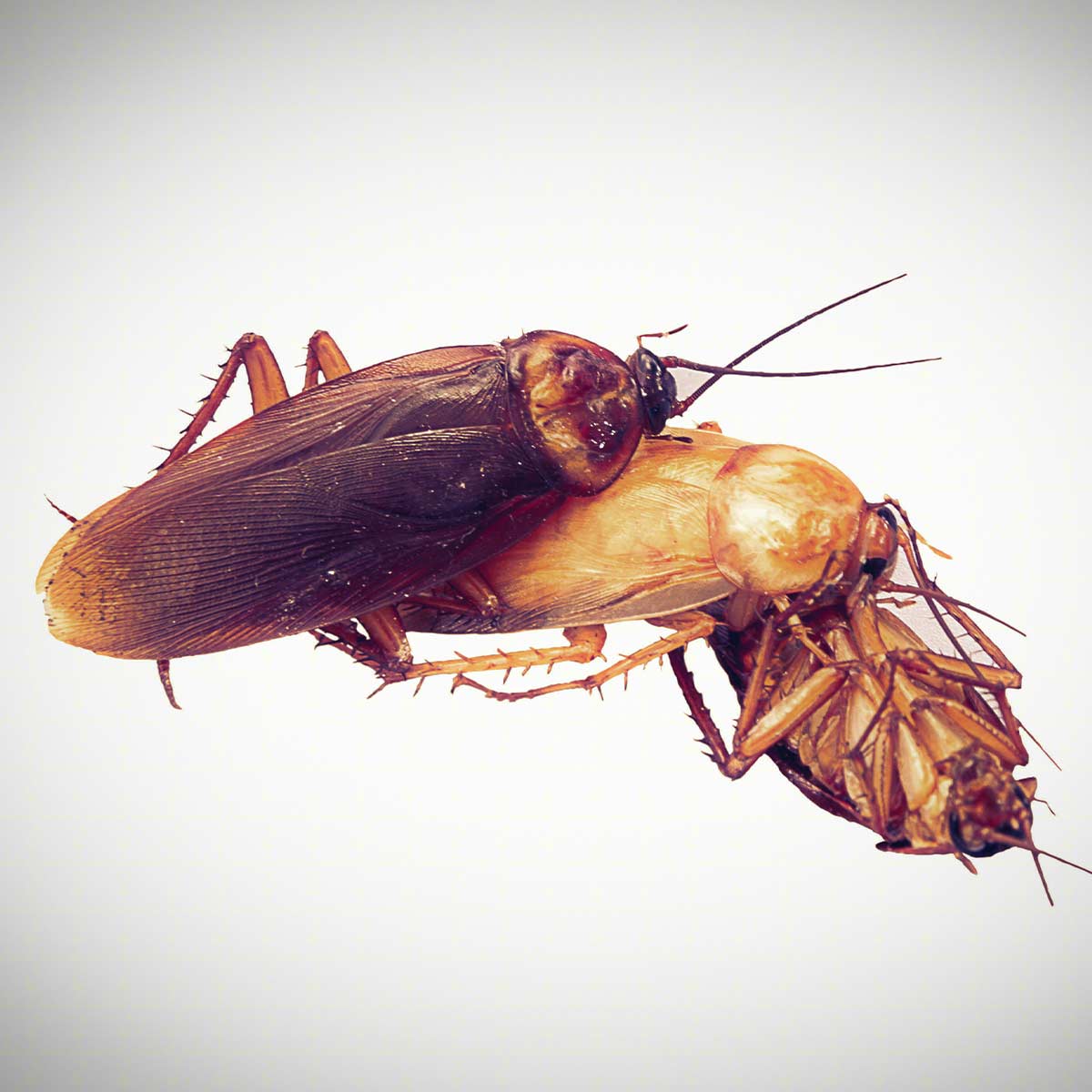
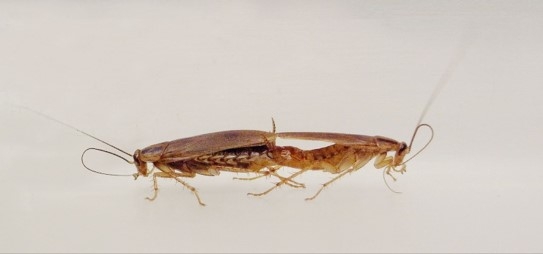
Cockroaches mate through direct contact. Males use special signals to attract females. These signals include body movements and smells.
Once a female accepts, the male transfers sperm. Females can store sperm to use later. This allows them to lay several egg cases from one mating.
Some species mate multiple times. This increases the number of eggs laid. Their mating habits help them multiply quickly in many environments.
Egg Production
Cockroaches reproduce quickly, and egg production plays a key role. The female cockroach creates a special case to protect her eggs. This case is called an ootheca. Inside, the eggs develop safely until they hatch. Understanding how egg production works helps explain their fast multiplication.
Ootheca Formation
The ootheca is a hard, brown capsule. The female forms it after mating. She deposits eggs inside this protective shell. The ootheca shields the eggs from harm. It also keeps them moist and safe. Some species carry the ootheca until the eggs hatch. Others drop it in hidden spots. This process ensures the eggs survive harsh conditions.
Number Of Eggs Per Ootheca
Each ootheca holds many eggs. The number depends on the cockroach species. Some oothecae contain about 10 to 50 eggs. Larger species often have more eggs. The eggs hatch in a few weeks. This high number allows cockroaches to multiply fast. It also helps them survive in difficult environments.
Rapid Growth And Development
Cockroaches multiply quickly due to their fast growth and development. Their life cycle moves through several stages before becoming adults. Each stage helps them survive and increase their numbers rapidly.
Nymph Stages
After hatching, cockroaches enter the nymph stage. Nymphs look like small adults but have no wings. They shed their skin multiple times as they grow. Each molt brings them closer to adulthood. Nymphs eat a lot to fuel their growth. This stage can last weeks to months depending on the species.
Time To Maturity
Cockroaches reach adulthood faster than many insects. Most species mature in a few months. Warm and humid conditions speed up their development. Once mature, they start reproducing quickly. A female can lay many eggs during her lifetime. This rapid maturity allows cockroach populations to grow fast.
Factors Boosting Multiplication
Cockroaches multiply quickly under certain conditions. Their population grows fast when the environment supports their needs. Understanding these factors helps control their spread. The right place and food can make a big difference. Let’s explore what boosts their multiplication.
Favorable Environmental Conditions
Cockroaches thrive in warm and humid places. They prefer dark spots that are quiet and safe. Cracks and small holes offer perfect hiding spots. Cleanliness does not always stop them; they can live in messy or clean areas. Moisture is key to their survival and breeding. They multiply faster where water is easy to find.
Diet And Survival
Cockroaches eat almost anything. They survive on food scraps, glue, paper, and even soap. Their ability to digest many materials helps them live in many places. Food availability supports larger cockroach populations. Without food, they cannot reproduce well. They store energy to survive long periods without food.
Population Explosion Risks
Cockroaches can quickly become a serious problem. Their population grows fast and causes many risks. Understanding these risks helps protect your home or business. Cockroach infestations spread diseases and trigger allergies. Controlling their numbers is important for health and safety.
High Reproductive Rate
Cockroaches lay many eggs at once. Each egg case holds 10 to 50 eggs. They hatch in a few weeks. Young cockroaches grow fast and start breeding soon. One female can produce hundreds of cockroaches in a year. This rapid breeding causes large infestations quickly. Even small numbers can become big problems fast.
Resistance To Control Methods
Cockroaches survive many common pesticides. They develop resistance after repeated exposure. This makes some treatments less effective. They hide in hard-to-reach places. Cockroaches can avoid traps and sprays easily. Resistance allows their population to grow despite control efforts. Proper pest control strategies must consider this challenge.
Credit: www.gogreenpestcontrol.com
Unusual Reproductive Traits
Cockroaches reproduce in ways that surprise many people. Their methods help them survive in tough conditions. These unusual reproductive traits make them very successful pests. Understanding these traits reveals why cockroach populations grow fast.
Parthenogenesis Possibility
Some cockroach species can reproduce without males. This process is called parthenogenesis. It allows females to lay eggs that hatch without fertilization. This means a single female can start a new colony. Parthenogenesis helps cockroaches survive when mates are scarce. It also speeds up population growth in isolated areas.
Adaptations For Survival
Cockroaches have special traits to protect their young. They carry eggs in cases called oothecae. These cases shield eggs from harm and drying out. Some species guard their eggs until they hatch. Others drop the ootheca in safe places. These adaptations increase the chance of offspring survival. They help cockroaches thrive in many environments.
Preventing Cockroach Breeding
Stopping cockroaches from breeding is key to controlling their population. These pests multiply quickly in warm, dark, and moist places. Preventing their breeding means breaking their life cycle. This keeps your home cleaner and safer.
Sanitation Tips
Keep your home clean to remove cockroach food sources. Wipe kitchen counters and sweep floors daily. Store food in sealed containers. Take out trash regularly. Fix water leaks to reduce moisture. Clean under appliances and furniture often. Remove clutter that can hide cockroaches.
Effective Control Strategies
Use bait stations to attract and kill cockroaches. Place traps in areas they visit. Seal cracks and holes to block entry points. Use insecticides carefully in problem areas. Monitor regularly to catch infestations early. Call professionals for severe infestations. Early action helps stop breeding fast.
Credit: content.ces.ncsu.edu
Credit: termmax.net
Frequently Asked Questions
How Fast Do Cockroaches Multiply?
Cockroaches reproduce rapidly, with females laying 30-50 eggs at a time. Eggs hatch in weeks, increasing populations quickly.
Where Do Cockroaches Lay Their Eggs?
Cockroaches lay eggs in warm, dark, and moist areas. Common spots include cracks, crevices, and behind appliances.
How Many Eggs Can One Cockroach Produce?
A single female cockroach can produce hundreds of eggs during her lifetime, leading to large infestations.
What Factors Affect Cockroach Reproduction Rates?
Temperature, humidity, and food availability greatly impact how fast cockroaches multiply in an environment.
Conclusion
Cockroaches multiply quickly and in large numbers. They lay many eggs in safe places. Each egg hatches into a small cockroach that grows fast. This makes controlling them very hard. Keeping your home clean helps stop their spread. Seal cracks and remove food sources to reduce their chances.
Understanding how they multiply helps you fight infestations better. Act early to keep cockroaches from taking over. Small steps make a big difference in control. Stay alert and protect your space from these pests.