Are you tired of seeing cockroaches scurry around your home, no matter how many sprays or traps you use? Understanding how cockroach bait works can be the key to finally getting rid of these unwanted pests for good.
You’ll discover the simple yet powerful way bait targets cockroaches, why it’s more effective than other methods, and how you can use it to protect your living space. Keep reading, and you’ll learn exactly how to take control of your cockroach problem with ease.
Cockroach Behavior And Habits
Cockroach behavior and habits play a big role in how bait works. These insects are smart and cautious. They move mostly at night. Their habits help them find food and avoid danger. Knowing these habits helps place bait effectively. It also helps understand why some baits work better than others.
Common Cockroach Species
The most common cockroach species indoors include German, American, and Oriental cockroaches. German cockroaches are small and fast. They hide in kitchens and bathrooms. American cockroaches are larger and prefer warm, damp places. Oriental cockroaches like dark, moist areas such as basements. Each species has different habits and hiding spots. Identifying the species helps in choosing the right bait.
Feeding Patterns
Cockroaches are scavengers. They eat almost anything, including crumbs, grease, and food scraps. They prefer sugary and starchy foods but will eat proteins too. Cockroaches often feed at night. They leave trails of pheromones to guide others to food. Baits work by attracting cockroaches with food-like substances. The bait’s poison then kills them slowly, allowing them to return to the nest and spread it.
Hiding Spots
Cockroaches hide in tight, dark places during the day. Common spots include cracks, crevices, behind appliances, and inside cabinets. They like areas with moisture and warmth. Knowing these spots helps place bait where cockroaches travel. Bait placed near hiding spots has a higher chance of being found. This increases the bait’s effectiveness in controlling the infestation.
Types Of Cockroach Baits
Cockroach baits come in different types. Each type works in a unique way to control cockroach problems. Understanding the types helps you choose the right bait for your home.
Gel Baits
Gel baits are soft and sticky. You apply them in small drops near cockroach hiding spots. Cockroaches eat the gel and carry poison back to their nests. This kills other cockroaches too. Gel baits are easy to use and last long.
Bait Stations
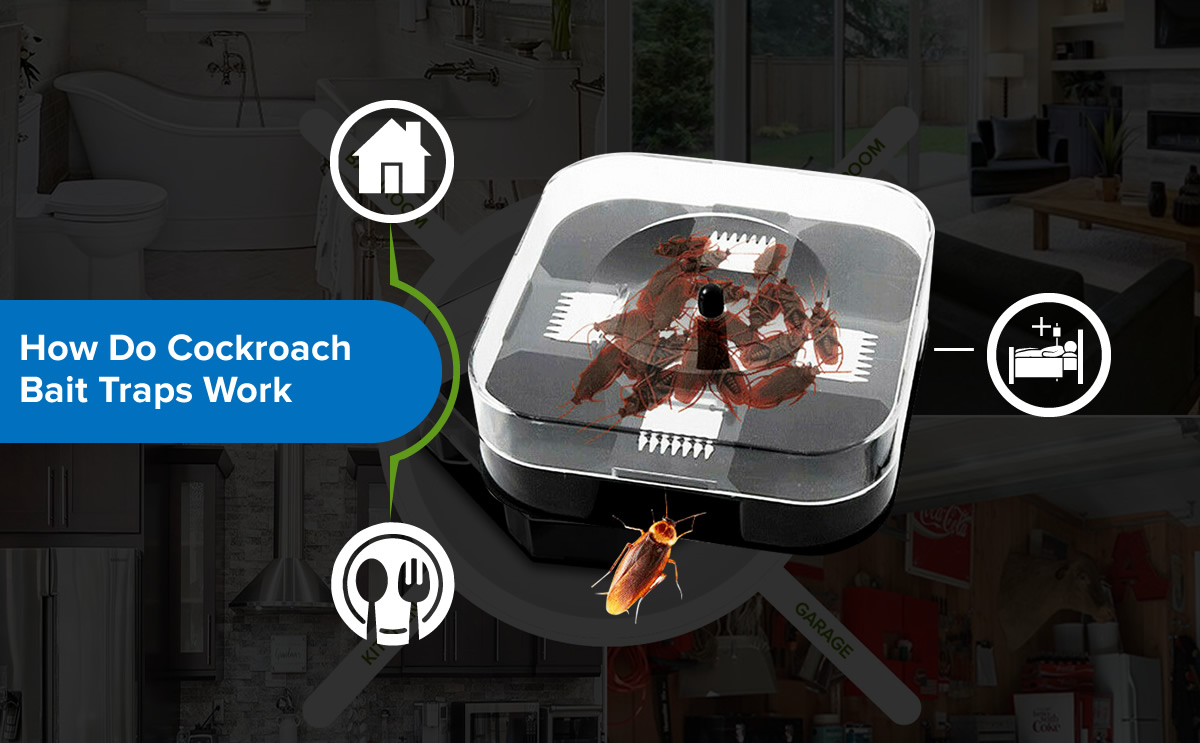
Bait stations look like small plastic boxes. They contain poison inside and have holes for cockroaches to enter. Cockroaches eat the bait and leave the station. Bait stations keep poison contained and safe from pets and children. They work well in kitchens and bathrooms.
Bait Powder
Bait powder is fine and easy to spread. You sprinkle it in cracks and corners where cockroaches move. Cockroaches walk over the powder and carry it on their bodies. The powder poisons the entire group. This type is good for large infestations and hidden areas.
How Cockroach Bait Attracts Pests
Cockroach bait works by drawing pests close enough to consume a poison. The bait uses special tricks to attract roaches and keep them interested. Understanding how the bait lures cockroaches helps improve pest control efforts.
Roaches rely heavily on their sense of smell and taste to find food. Bait manufacturers use this knowledge to make their products very appealing. The bait’s scent and flavor play a big role in attracting these pests.
Scent And Flavor Lures
Cockroach bait releases smells that mimic food roaches like. These scents come from sugars, oils, and proteins mixed into the bait. The smell travels through the air, guiding roaches right to it.
The flavor of the bait is also key. It tastes good enough to make roaches eat a lot. Once they consume the bait, the poison inside starts working. The bait’s flavor encourages roaches to feed repeatedly and share it with others.
Placement Strategies
Where you put the bait affects how many roaches it attracts. Placing bait in dark, hidden spots near roach activity is best. Corners, under sinks, and behind appliances are ideal locations.
Roaches avoid open spaces and bright light. Bait placed along their paths increases chances they will find it. Proper placement ensures more roaches consume the bait and helps reduce the infestation faster.
Credit: pestcontrolworldwide.com
Mechanism Of Action In Baits
Cockroach baits work through a clever process that targets the entire colony. They use poisons that cockroaches eat and share. This method is more effective than sprays because it reaches hidden roaches. Understanding how these baits work helps in controlling infestations better.
Ingested Poisons
Cockroach baits contain poisons mixed with food. Roaches eat the bait, thinking it is food. The poison gets inside their bodies. It starts to affect them after digestion. This ensures the poison spreads inside the cockroach’s system.
Delayed Toxicity
The poison in baits acts slowly. Cockroaches do not die immediately. This delay lets them return to their nests. They carry the poison with them. Slow action prevents other roaches from avoiding the bait.
Transfer Among Colony
Cockroaches share food through a process called trophallaxis. Poisoned roaches feed others in the colony. This spreads the poison to many roaches. It helps kill roaches that never ate the bait directly. The whole colony gets affected over time.
Effective Bait Application Tips
Effective bait application is key to controlling cockroach problems. Proper use helps target cockroaches quickly and stops their spread. Applying bait correctly saves time and effort.
Follow these simple tips to improve bait success. Focus on where and how to place bait. Also, understand how often to reapply bait for best results.
Identifying Infestation Areas
Look for cockroach hiding spots like cracks and corners. Check under sinks, behind appliances, and inside cabinets. These areas have food and moisture, attracting cockroaches. Use a flashlight to spot signs like droppings or egg cases. Target these places first for bait placement.
Proper Bait Placement
Place bait in small amounts near cockroach paths. Use thin lines or dots instead of large piles. Avoid placing bait where water or cleaning happens often. Keep bait out of reach of children and pets. Bait works best in dark, hidden spots cockroaches visit regularly.
Frequency Of Reapplication
Check bait every week to see if cockroaches are active. Replace bait if it looks dry or is gone. Reapply bait until cockroach signs disappear. Do not stop too soon to prevent new infestations. Regular reapplication keeps cockroach numbers low over time.

Credit: entomologytoday.org
Common Mistakes To Avoid
Using cockroach bait can be very effective, but small errors can stop it from working well. Knowing common mistakes helps you use the bait right. Avoid these errors to get better results and keep your home pest-free.
Using Bait With Other Insecticides
Many people spray insecticides near bait. This is a big mistake. The spray kills cockroaches before they eat the bait. The bait works best when cockroaches are alive and hungry. Keep insecticides and bait separate. This way, cockroaches will take the bait back to their nest.
Improper Storage
Storing bait in the wrong place can ruin it. Heat and moisture can break down the poison. Keep bait in a cool, dry place. Also, close the container tightly. Old or damaged bait loses its power to kill cockroaches. Always check the expiry date before use.
Ignoring Sanitation
Dirty areas attract cockroaches and make bait less effective. Food crumbs and garbage give cockroaches other food choices. Clean kitchens and living spaces regularly. Without good sanitation, cockroaches ignore the bait. A clean home helps bait work faster and better.
Safety Precautions With Cockroach Bait
Using cockroach bait can effectively control pests, but safety must come first. Cockroach baits contain chemicals that can harm humans and pets if not handled properly. Taking simple safety steps keeps your home safe while fighting roaches.
Handling And Storage
Always wear gloves when touching cockroach bait. Avoid direct skin contact to prevent irritation. Store bait in a cool, dry place out of reach. Keep it away from food and cooking areas. Seal containers tightly to stop spills and leaks. Dispose of used bait according to the package instructions.
Protecting Children And Pets
Place bait in spots unreachable by children and pets. Use bait stations to keep poison contained. Teach children not to touch or eat any bait. Watch pets closely around bait areas to prevent accidental ingestion. If a pet or child swallows bait, contact a doctor or vet immediately.

Credit: www.pestxpert.com.au
Combining Bait With Other Control Methods
Combining cockroach bait with other control methods increases the chances of success. Bait alone may not solve the problem fully. Different methods work together to reduce cockroach numbers and stop their return. A strong plan includes sanitation, barriers, and sometimes professional help.
Sanitation Practices
Clean areas where cockroaches live and eat. Remove food crumbs and spills quickly. Store food in sealed containers. Take out trash regularly. Less food means fewer cockroaches. Sanitation makes bait more effective by attracting cockroaches to the bait, not other food.
Physical Barriers
Seal cracks and holes where cockroaches enter. Use caulk or weatherstripping on doors and windows. Fix leaks and reduce moisture. Barriers stop new cockroaches from coming inside. They work with bait by limiting cockroach movement and access to hiding spots.
Professional Pest Control
Experts can identify the cockroach species and problem areas. They use advanced tools and treatments beyond bait. Professionals apply bait strategically for best results. They may combine sprays or dusts with bait. This approach controls cockroaches faster and prevents future infestations.
Signs Of Successful Baiting
Successful cockroach baiting shows clear signs. These signs help you know if the bait works. Watching these signs lets you act fast and keep your home clean.
Here are the main signs to watch for after using cockroach bait.
Decreased Cockroach Activity
Less cockroach movement is a top sign of success. You will see fewer cockroaches during the day and night. Reduced sightings mean the bait is killing or repelling them. Check areas where cockroaches usually hide. If they appear less, the bait works well.
Bait Consumption Indicators
Look for signs that cockroaches eat the bait. Bait stations may look empty or disturbed. You might find small bite marks on the bait itself. These signs show cockroaches are attracted and feeding. This means the poison is being taken to the nest.
Long-term Prevention
Good baiting stops cockroach problems over time. Fewer cockroach eggs and young bugs appear. You will notice fewer droppings and smells. Maintaining bait stations helps keep cockroaches away. This creates a lasting barrier against infestations.
Frequently Asked Questions
How Does Cockroach Bait Attract Roaches?
Cockroach bait uses food-based attractants that lure roaches to consume the poison. It mimics their favorite food sources, making it irresistible for them to eat and spread the toxin.
What Active Ingredients Are In Cockroach Bait?
Common active ingredients include hydramethylnon, fipronil, and boric acid. These poisons disrupt the roach’s nervous system, eventually killing them after ingestion.
How Long Does Cockroach Bait Take To Work?
Cockroach bait typically takes 24 to 72 hours to kill roaches. It allows roaches to return to their nest and spread poison to others.
Can Cockroach Bait Eliminate Entire Infestations?
Yes, cockroach bait can reduce infestations by killing multiple roaches and their colony. However, severe infestations may require additional pest control methods.
Conclusion
Cockroach bait attracts roaches with food and poison. Roaches eat the bait and carry poison back to their nests. This helps kill many roaches, not just the ones you see. Using bait is a smart way to control roaches safely.
Keep bait in places roaches visit often. Regular use stops new roaches from coming. Small steps like these make a big difference. Stay patient and consistent for best results.