Are you tired of seeing cockroaches scurry across your kitchen floor? You’re not alone.
These pests are not just annoying—they can also spread germs and cause health problems. But how exactly does cockroach bait work to get rid of them? Understanding this can help you take control and keep your home pest-free. You’ll discover the simple science behind cockroach bait and why it’s one of the most effective solutions available.
Keep reading to learn how you can finally say goodbye to those unwanted intruders for good.

Credit: www.pestxpert.com.au
Cockroach Behavior And Habits
Cockroach behavior and habits play a big role in how bait works. These insects are smart and cautious. They move mostly at night and avoid open spaces. Knowing their daily habits helps in placing bait effectively.
Common Cockroach Species
Several types of cockroaches live in homes. The most common are German, American, and Oriental cockroaches. German cockroaches are small and fast. American cockroaches are larger and prefer damp places. Oriental cockroaches like cool and dark areas. Each species has unique habits that affect bait use.
Feeding Patterns
Cockroaches eat almost anything. They like sweets, starches, and meats. They search for food mostly at night. Cockroaches share food with others in their group. Baits use this habit by containing poison. When one roach eats bait, it spreads the poison to others.
Hiding Spots
Cockroaches hide in cracks, behind appliances, and under sinks. They prefer warm and moist places. These hiding spots protect them during the day. Knowing these spots helps place bait where cockroaches travel. Placing bait near hiding spots increases its effectiveness.
Types Of Cockroach Baits
Cockroach baits come in different types, each designed for specific uses. Understanding these types helps in choosing the right bait. Each type works to attract and kill cockroaches efficiently.
Gel Baits
Gel baits are thick and sticky. They are applied in small drops near cockroach hiding spots. Cockroaches eat the gel and carry it back to their nest. This spreads the poison to other cockroaches.
Gel baits are easy to use and last long. They work well in tight spaces and cracks.
Bait Stations
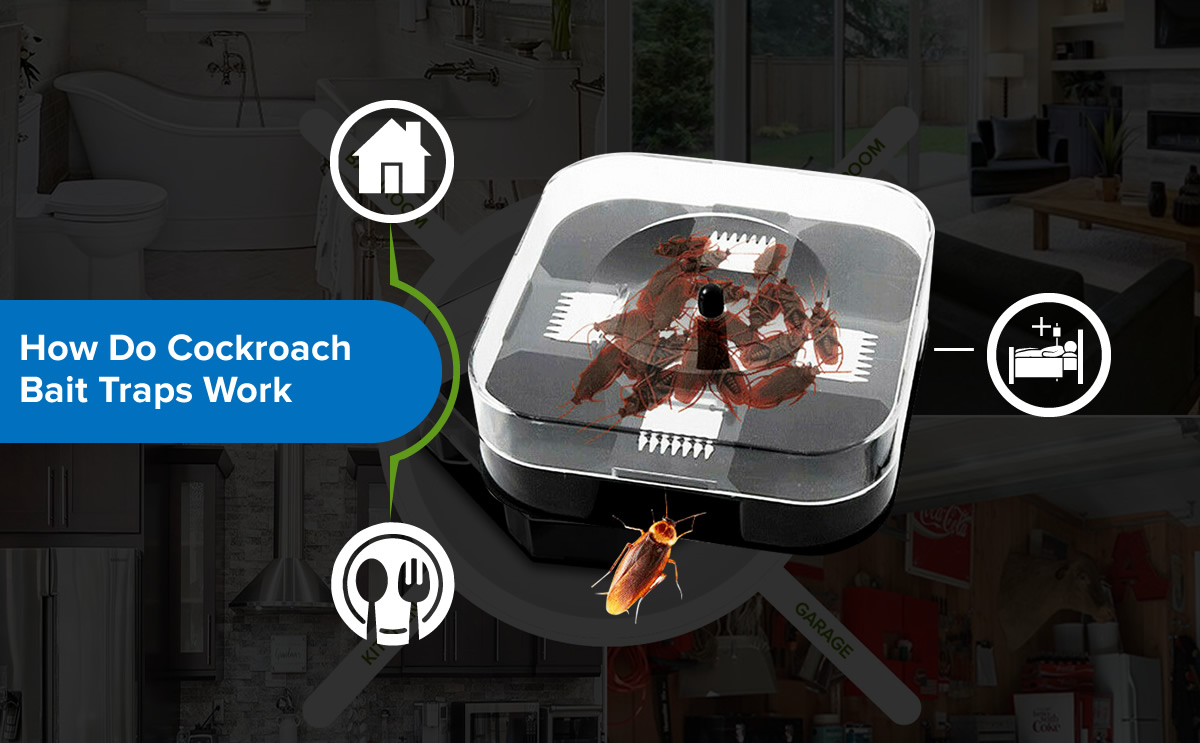
Bait stations are small plastic containers with poison inside. Cockroaches enter the station to eat the bait. The closed design keeps the bait safe from pets and children.
These stations are good for places where gels cannot be applied. They are also neat and less messy.
Bait Powders
Bait powders mix poison with a dry substance that cockroaches like. The powder sticks to the cockroach’s body. As they groom, they ingest the poison.
Powders work best in dry areas. They spread easily in cracks and corners where cockroaches hide.
How Baits Attract Cockroaches
Cockroach baits work by drawing cockroaches toward a poison they carry back to their nest. The key is to attract these pests so they find and consume the bait. Understanding how baits attract cockroaches helps improve pest control efforts.
Cockroach baits use special ingredients that appeal to the bugs’ senses. These ingredients make the bait smell and taste like food. The goal is to make the bait irresistible, so cockroaches choose it over other food sources.
Role Of Attractants
Attractants are substances that lure cockroaches to the bait. They mimic the smell and taste of the cockroaches’ favorite foods. These can include sugars, fats, or proteins. The attractants trigger the cockroach’s appetite quickly. Strong attractants increase the chance that cockroaches will eat the bait. Some baits use a mix of attractants to appeal to different cockroach species. The better the attractant, the more effective the bait.
Placement Strategies
Correct placement of bait is crucial for success. Cockroaches hide in dark, warm, and moist areas. Placing bait near these spots increases contact. Common places include under sinks, behind appliances, and along walls. Baits placed in cockroach pathways get noticed faster. Avoid placing bait in areas with heavy cleaning or water spills. Proper placement helps cockroaches find the bait quickly and carry poison back to their colony.

Credit: entomologytoday.org
Mechanism Of Action
The mechanism of cockroach bait explains how it kills cockroaches effectively. Understanding this helps in using the bait correctly and safely. Cockroach bait uses specific chemicals to attract and poison cockroaches. These poisons work inside the cockroach body to stop vital functions. The process takes time, allowing the poison to spread within the colony. This section breaks down the key parts of how cockroach bait works.
Active Ingredients
Cockroach baits contain special chemicals called active ingredients. These ingredients are poisonous to cockroaches but safe for humans when used properly. Common active ingredients include fipronil, hydramethylnon, and boric acid. These chemicals target the cockroach’s nervous system or energy production. Once ingested, the poison starts working inside the cockroach’s body.
Delayed Toxicity
The poison in the bait does not kill cockroaches instantly. It works slowly over several hours or days. This delayed effect helps the poisoned cockroach return to its nest. There, it shares food and contact with other cockroaches. This spreading of poison helps reach more cockroaches in the colony. Immediate death would stop the poison from spreading effectively.
Impact On Cockroach Colony
The goal of cockroach bait is to reduce the whole colony, not just one insect. Poisoned cockroaches pass the poison to others by sharing food and touching them. This process kills many cockroaches inside the nest. Over time, the colony weakens and shrinks. Effective bait use can control and reduce cockroach populations significantly.
Using Cockroach Bait Effectively
Using cockroach bait effectively helps control and reduce infestations quickly. Proper use targets cockroaches where they live and feed. This increases the bait’s success and keeps your home cleaner.
Identifying Infestation Areas
Find cockroach hiding spots first. Check dark, warm, and moist places like under sinks and behind appliances. Look for droppings or egg cases as signs. Place bait near these areas to attract cockroaches.
Safe Application Tips
Keep bait away from children and pets. Use gloves when placing bait to avoid skin contact. Follow the instructions on the product label carefully. Avoid spraying insecticides near bait because it can repel cockroaches.
Monitoring And Maintenance
Check bait stations regularly to see if cockroaches are feeding. Replace bait if it dries out or gets dirty. Continue monitoring for several weeks to catch new cockroaches. Clean areas around bait stations to prevent attracting other pests.
Common Mistakes To Avoid
Using cockroach bait can be very effective, but many people make simple mistakes. These errors stop the bait from working well. Avoiding these common mistakes will help you get better results quickly.
Incorrect Bait Placement
Placing bait in the wrong spots is a frequent problem. Cockroaches hide in dark, moist areas near food and water. Putting bait in open or clean spaces makes it less likely to attract roaches. Place bait along walls, under sinks, and near trash bins. These spots increase chances roaches find the bait.
Using Incompatible Products
Mixing different pest control products reduces bait effectiveness. Some sprays or powders can repel roaches from the bait. Avoid using insecticides near bait stations. Use one method at a time to let the bait work properly. Check product labels to ensure compatibility.
Ignoring Environmental Factors
Humidity, temperature, and cleanliness affect bait success. High moisture can spoil bait or make it less attractive. Very dry or hot areas may also reduce bait use. Keep bait in stable, dry places. Clean the area but avoid removing all food sources, so roaches prefer the bait.
Alternatives And Complementary Methods
Using cockroach bait is effective, but other methods help control infestations better. Combining different ways improves results and keeps roaches away longer. Here are some alternatives and complementary methods to try along with bait.
Sanitation Practices
Clean homes stop roaches from finding food and water. Wipe counters and sweep floors daily. Store food in sealed containers. Take out trash regularly. Fix leaks and dry wet areas. These steps make your home less inviting to pests.
Traps And Barriers
Traps catch roaches and help reduce their numbers. Sticky traps are easy to place in corners and along walls. Use barriers like silicone caulk to seal cracks and holes. Blocking entry points limits roach movement and stops new ones from coming in.
Professional Pest Control Services
Experts know how to handle tough roach problems. They use stronger treatments and find hiding spots you may miss. Professionals can provide advice on prevention and safe pest control. Hiring them saves time and gives peace of mind.
Credit: pestcontrolworldwide.com
Frequently Asked Questions
How Does Cockroach Bait Attract Roaches?
Cockroach bait uses food-based attractants to lure roaches. The bait’s scent and taste appeal specifically to cockroaches, encouraging them to consume it. This ensures roaches are drawn to the bait instead of other food sources nearby.
What Active Ingredients Are In Cockroach Bait?
Common active ingredients in cockroach bait include fipronil and hydramethylnon. These chemicals disrupt the roaches’ nervous system or energy production. They work slowly, allowing roaches to return to their nests and spread the poison to others.
How Long Does Cockroach Bait Take To Work?
Cockroach bait typically shows results within a few days. Dead roaches may appear within 24 to 72 hours. Full colony elimination can take up to two weeks depending on infestation severity and bait placement.
Can Cockroach Bait Eliminate Entire Infestations?
Yes, when used correctly, bait can eliminate entire roach infestations. Roaches share the poison through social grooming and feeding. Proper placement and repeated application increase effectiveness across hidden nests.
Conclusion
Cockroach bait attracts roaches with food and poison. Roaches eat the bait and carry poison back. This helps reduce the whole roach population. Using bait is safer than spraying chemicals everywhere. Place bait in spots where roaches hide and travel.
Check and replace bait regularly for best results. Patience is key; it takes time to see results. Understanding how bait works helps you control roaches better. Keep your home clean to support bait effectiveness. Small steps lead to a roach-free home.