Are you worried about fleas and ticks bothering your pet? You’re not alone.
These tiny pests can cause big problems, from itchy skin to serious health issues. But how exactly does flea and tick medicine work to keep your furry friend safe? Understanding this can help you choose the right protection and feel confident you’re doing the best for your pet.
Keep reading, and you’ll discover the simple science behind these medicines and why they’re so effective at keeping pests away.
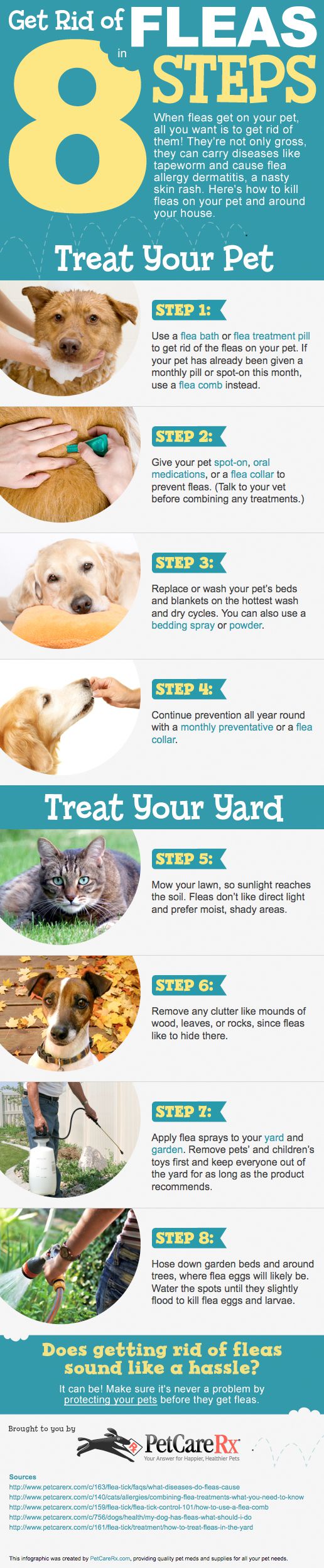
Credit: www.petcarerx.com
Flea And Tick Life Cycles
Understanding the life cycles of fleas and ticks helps explain how flea and tick medicine works. These parasites grow through several stages before they can harm your pet. Each stage needs different conditions to survive and spread. Knowing these stages helps in choosing the right medicine to stop them effectively.
Stages Of Flea Development
Fleas start as eggs laid on your pet’s fur. The eggs fall off and hatch into larvae in the environment. Larvae feed on organic material and grow quickly. Then they turn into pupae inside cocoons. After a few days, adult fleas emerge, ready to find a host. Adult fleas bite your pet and lay more eggs. This cycle repeats fast, causing infestations.
Tick Growth And Behavior
Ticks hatch from eggs as tiny larvae called seed ticks. They find small animals or birds to feed on. After feeding, larvae molt into nymphs. Nymphs also need a blood meal to grow. Once full, they molt into adults. Adult ticks attach to larger animals, including pets. They feed for days before dropping off to lay eggs. This cycle can last months or years.
How Parasites Infest Pets
Fleas and ticks wait in grass, soil, or bedding. Pets brush against these areas and pick up parasites. Fleas jump onto fur, while ticks crawl until they find a spot to bite. Both parasites feed on pet blood, causing itching and irritation. Fleas spread quickly through egg laying. Ticks stay attached longer, increasing infection risk. Early detection helps prevent heavy infestations.

Credit: www.goodnavet.com.au
Types Of Flea And Tick Medicine
Flea and tick medicine comes in different types. Each type works differently to protect pets from pests. Choosing the right medicine depends on your pet’s needs and lifestyle. Understanding these types helps in keeping pets safe and comfortable.
Topical Treatments
Topical treatments are liquid medicines applied to the pet’s skin. Usually placed between the shoulder blades. These medicines kill fleas and ticks on contact. They also prevent new pests from attaching. Effects last for about a month. Easy to use and water-resistant after drying.
Oral Medications
Oral medications come as chewable tablets or pills. Pets eat them like treats, making administration simple. These medicines enter the bloodstream to kill fleas and ticks. They work quickly and last for several weeks. Ideal for pets that swim or bathe often.
Collars And Sprays
Flea and tick collars release chemicals slowly over time. They repel pests and prevent bites. Collars usually protect for several months. Sprays can be applied directly to the pet’s fur. Sprays offer quick protection but need frequent reapplication. Both options are useful for pets with outdoor access.
Natural Remedies
Natural remedies use plant-based ingredients to repel pests. Common options include essential oils and herbal sprays. These are gentle and safe for sensitive pets. Effectiveness varies and may require regular use. A good choice for pet owners avoiding chemicals.
How Medicines Target Parasites
Flea and tick medicines work by targeting parasites directly on your pet’s skin and body. These medicines stop parasites from growing, feeding, and spreading. They keep your pet safe from bites and the diseases these pests carry. Understanding how these medicines work helps you choose the best protection for your pet.
Interrupting The Life Cycle
Many flea and tick medicines stop parasites from growing into adults. They target eggs and larvae to prevent new fleas from hatching. Without new fleas, the population on your pet drops quickly. This breaks the cycle of infestation and keeps your pet comfortable.
Killing Adult Fleas And Ticks
Some medicines kill adult fleas and ticks fast. They attack the parasite’s nervous system or body functions. This causes the pests to die before they can lay eggs. Killing adults reduces the chance of your pet getting bitten or infected.
Repelling Parasites Before Biting
Certain medicines repel fleas and ticks before they bite. They create a protective barrier on your pet’s skin. Parasites avoid your pet because they dislike the smell or taste. This stops bites and reduces irritation and itching.
Choosing The Right Medicine
Choosing the right flea and tick medicine is key to keeping your pet safe and healthy. Different pets need different types of protection. The right choice depends on several factors. Understanding these will help you pick the best medicine for your furry friend.
Pet Age And Weight Considerations
Age matters for flea and tick medicines. Some products suit puppies or kittens only. Adult pets may need stronger formulas. Weight also plays a big role. Medicines often come with weight guidelines. Giving too much or too little can cause problems. Always check the label for age and weight instructions.
Health Conditions And Allergies
Pets with health issues need special care. Some medicines may cause side effects or allergic reactions. Talk to your vet about your pet’s health history. Watch for signs like itching, swelling, or vomiting after use. Your vet can recommend safe products for sensitive pets.
Environmental Factors
Where you live affects flea and tick risk. Warm, humid areas tend to have more pests. Outdoor pets face higher exposure than indoor pets. Some medicines work better in certain environments. Choose a product that matches your pet’s lifestyle and local pest threats. This helps keep your pet protected all year.
Application And Dosage Tips
Applying flea and tick medicine correctly is key to keeping your pet safe. Proper use helps the medicine work well. It also lowers risks of side effects. Here are some tips on application and dosage.
Correct Application Techniques
Apply medicine to a clean, dry spot on your pet’s skin. Usually, this is between the shoulder blades. Part the fur to reach the skin directly. Avoid spreading the medicine on the fur. Use the full dose from the package. Do not give extra doses unless told by a vet.
Frequency Of Treatment
Most flea and tick medicines work for about one month. Check the product label for exact timing. Give the next dose on schedule to keep protection constant. Do not wait too long between treatments. Regular treatment stops fleas and ticks from returning.
Safety Precautions
Keep medicine away from your pet’s eyes and mouth. Wash your hands after applying the product. Avoid touching the treated area until it dries. Keep pets from licking the spot. Store medicines out of children’s reach. Consult a vet if your pet shows unusual signs.
Common Side Effects And Reactions
Flea and tick medicine helps protect pets from pests. These medicines can cause some side effects. Most side effects are mild and go away quickly. Knowing these reactions helps pet owners keep their pets safe.
Mild Reactions
Mild reactions include itching, redness, or small bumps on the skin. Some pets may scratch or lick the treated area more than usual. Slight tiredness or loss of appetite can also occur. These symptoms usually last a short time. They do not need special treatment in most cases.
When To Seek Veterinary Help
Serious reactions need quick attention. Watch for swelling, hives, or difficulty breathing. Vomiting or diarrhea that does not stop is a warning sign. If your pet acts weak or confused, call a vet immediately. Early care can prevent bigger problems. Always follow the medicine instructions carefully.
Preventing Flea And Tick Infestations
Preventing flea and tick infestations keeps pets healthy and homes safe. Fleas and ticks spread diseases and cause itching. Using medicine alone is not enough. Combining treatments with daily habits works best. Simple steps reduce risks and protect pets.
Regular Grooming
Brush pets often to spot fleas or ticks early. Bathing removes dirt and pests from fur. Check ears, neck, and belly carefully. Grooming helps keep skin healthy and clean. It also lets you find pests before they multiply.
Home And Yard Maintenance
Clean pet bedding and vacuum carpets regularly. Mow the lawn and remove tall grass or leaves. Fleas and ticks hide in damp, dark places. Keeping your yard tidy lowers pest numbers. Seal cracks and gaps where pests can enter.
Seasonal Awareness
Flea and tick activity rises in warm months. Use preventive medicine before seasons start. Monitor pets closely during spring and summer. Cold weather can reduce pests but not stop them. Stay alert year-round to protect pets well.

Credit: www.youtube.com
Myths And Facts About Flea And Tick Medicines
Flea and tick medicines protect pets from harmful pests. Many myths surround these treatments. Some confuse facts and false information. Understanding the truth helps keep pets safe and healthy.
Debunking Common Misconceptions
Some believe flea medicines are unsafe for pets. Most products are tested and approved by vets. Another myth says flea medicine only works after pests bite. Many medicines kill pests before they can bite. People also think natural remedies work better. Most natural options lack strong proof of effectiveness. Proper medicine use is key for pest control.
Reliable Sources For Information
Trust information from veterinarians and pet health experts. Official veterinary websites provide accurate, up-to-date advice. Avoid relying on social media or unverified blogs. Check product labels and instructions carefully. Speak to your vet about the best treatment for your pet.
Conclusion
Flea and tick medicine works by targeting pests quickly and effectively. It stops fleas and ticks from biting your pet. Many medicines kill pests at different life stages. This helps keep your pet safe and comfortable. Regular use prevents infestations and protects your home.
Always choose the right medicine for your pet’s size and health. Consult your vet for the best advice. Keeping pets free from fleas and ticks means happier, healthier animals. Simple steps make a big difference in pest control. Stay consistent and watch your pet stay pest-free.