Fleas are tiny insects that cause big problems. They bite animals and sometimes people. But have you ever wondered how long fleas can live without a host? A host is an animal or person that fleas feed on. This article will explain how long fleas survive without a host. You will also learn about flea life cycles and how to control them.
What Are Fleas?
Fleas are small bugs. They are about 1 to 3 millimeters long. Fleas jump very well. They jump to find animals to bite. Fleas feed on blood. They need blood to live and grow. If fleas do not find a host, they cannot survive for long.
Why Do Fleas Need a Host?
Fleas need a host to get food. They suck blood from animals like dogs, cats, and sometimes people. Blood gives fleas energy. Without blood, fleas cannot live or lay eggs. The host is very important for fleas.
The Flea Life Cycle
Understanding the flea life cycle helps to know how long they can live without a host. Fleas have four stages:
- Egg: Flea eggs are tiny and white. They fall off the host onto floors or carpets.
- Larva: Larvae hatch from eggs. They do not feed on blood. Instead, they eat dirt and flea poop.
- Pupa: Pupae make a cocoon. Inside, fleas grow into adults. Pupae can wait a long time before hatching.
- Adult: Adult fleas need to find a host fast. They start biting and laying eggs to continue the cycle.
How Long Can Adult Fleas Live Without a Host?
Adult fleas need blood to survive. They usually live only a few days without a host. Most adult fleas die within 2 to 3 days if they cannot find an animal to bite. Some fleas can survive up to a week, but this is rare.
Adult fleas are strong jumpers. They look for a host quickly. Without blood, they become weak and die.
How Long Can Flea Eggs and Larvae Live Without a Host?
Flea eggs and larvae do not need a host to live. They stay in the environment. Eggs hatch in 2 to 14 days, depending on temperature and humidity.
Larvae live for about 5 to 11 days. They eat organic material like flea dirt and skin flakes. Larvae do not bite or feed on blood.
How Long Can Flea Pupae Survive Without a Host?
Pupae are the most protected stage of fleas. They live inside cocoons. Pupae can stay in this stage for several weeks or even months. They wait for a host to come near.
When a host is close, pupae hatch into adult fleas. This helps fleas survive in homes without pets for a long time.
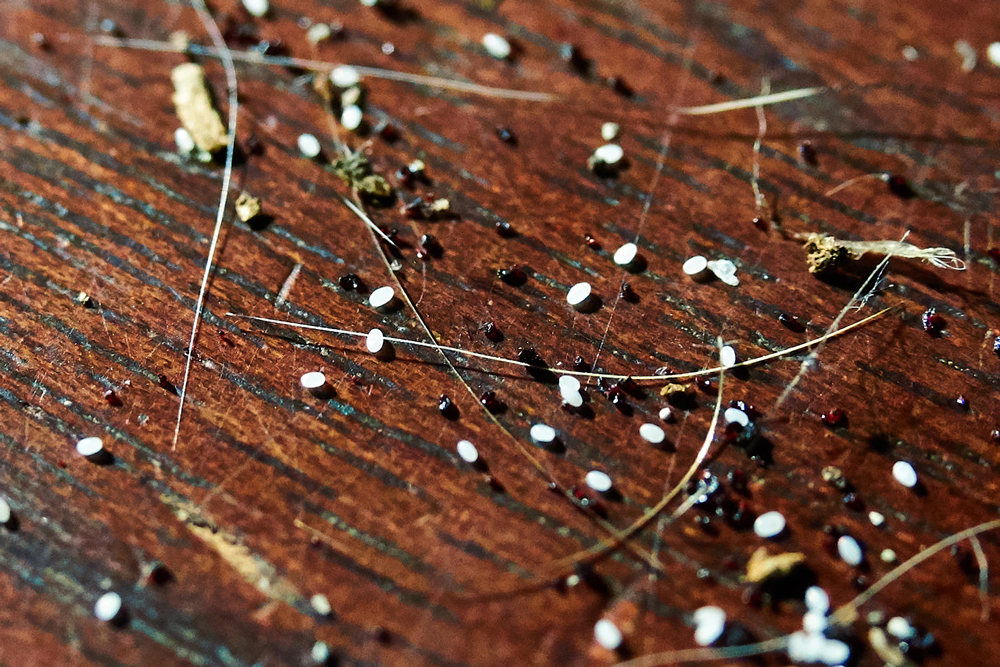
Credit: johnsons-vet.com
Factors That Affect Flea Survival Without a Host
Several things affect how long fleas live without a host. These include:
- Temperature: Warm places help fleas live longer.
- Humidity: Fleas need moisture. Dry air can kill them faster.
- Stage of Life: Pupae live longest without a host. Adults live shortest time.
- Availability of Food: Larvae eat dirt and flea dirt. Adults need blood.
Typical Survival Times of Fleas Without a Host
| Flea Stage | Survival Time Without Host | Notes |
|---|---|---|
| Egg | 2 to 14 days | Depends on environment conditions |
| Larva | 5 to 11 days | Feeds on organic debris, no blood needed |
| Pupa | Weeks to months | Waits in cocoon until host is near |
| Adult | 2 to 3 days (up to 1 week) | Needs blood quickly to survive |

Credit: bluebeetlepest.com
Why Do Fleas Die Without a Host?
Fleas need blood to live. Blood gives them energy. Without it, fleas get weak. They cannot grow or lay eggs. After a few days, adult fleas die. Eggs and larvae die if they do not find a good place to grow. Pupae can wait, but not forever.
What Happens If Fleas Find No Host for a Long Time?
If fleas cannot find a host, the population drops. Adult fleas die first. Eggs and larvae may survive a while but will not grow into adults without blood. Pupae wait for months, but if no host comes, they eventually die too.
Without a host, the flea life cycle stops. Flea numbers go down over time.
How to Control Fleas in Your Home
Knowing how long fleas survive helps control them. Here are simple steps to reduce fleas in your home:
- Clean your pet: Use flea medicine on dogs and cats.
- Vacuum often: Vacuum carpets, floors, and furniture.
- Wash bedding: Wash pet bedding and blankets regularly.
- Use flea sprays: Apply sprays or powders to carpets and floors.
- Keep home dry: Fleas need moisture, so keep rooms dry.
Why It Is Hard to Get Rid of Fleas
Fleas hide well in homes. They can wait a long time in pupae cocoons. Even if you clean, some fleas stay. They hatch when a host returns. This makes flea control hard.
Be patient and clean often. Treat pets and your home at the same time.
Summary
Fleas need a host to live. Adult fleas survive only a few days without blood. Eggs and larvae live longer but do not bite. Pupae can wait months for a host. Temperature and humidity affect flea survival. Cleaning your home and treating pets help control fleas. Remember, fleas can hide and survive for a long time. Consistent cleaning and treatment are key.
Understanding flea survival helps keep your pets and home safe. Fleas may be small, but with the right knowledge, you can stop them.