Ticks are small bugs that can cause big problems. They bite people and animals. Some ticks carry diseases. This makes them dangerous. Many people wonder: how long can ticks live in a car? This article explains this in simple words.
What Are Ticks?
Ticks are tiny bugs. They live in grass, bushes, and woods. They wait for animals or people to pass by. Then, they jump on them. Ticks feed on blood. This helps them grow and lay eggs.
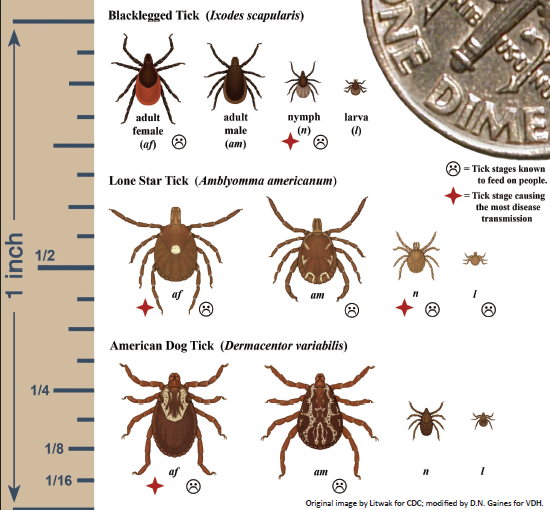
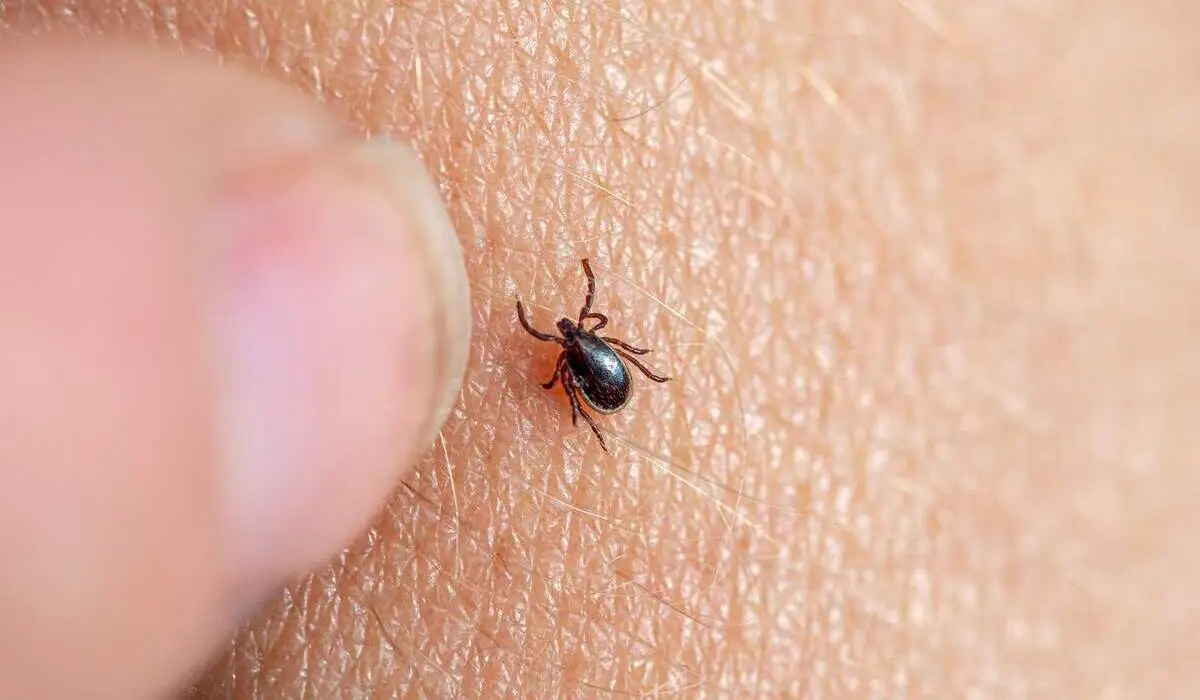
Ticks can be very small. Some are the size of a pinhead. When they bite, they stay attached for days.
How Do Ticks Get Into Cars?
Ticks do not fly or jump far. They climb on animals or people first. If you have a pet or walk in the woods, ticks can crawl onto your clothes or fur.
When you enter your car, ticks can move inside. They hide in the seats, carpets, or cracks.
How Long Can Ticks Live in a Car?
Ticks can live in a car for many days. Sometimes, they survive for weeks. The exact time depends on some things:
- Temperature: Warm places help ticks live longer.
- Humidity: Ticks need moisture. Dry places make them die faster.
- Food: Ticks need blood. Without it, they can live for a while but not forever.
In a car, ticks usually find it hard to get food. But they can survive by hiding and waiting.
On average, ticks can live for 2 to 3 weeks inside a car without feeding. Some ticks live longer if the conditions are good.
Where Do Ticks Hide Inside a Car?
Ticks like dark, warm, and quiet places. In cars, they hide in:
- Seat seams and cracks
- Carpet fibers and floor mats
- Under the seats
- Inside door panels or vents
- Between cushions
Because ticks are small, you may not see them right away.
Can Ticks Lay Eggs in a Car?
Yes. If a female tick finds your car comfortable, she can lay eggs there. These eggs hatch into baby ticks called larvae.
This can cause a bigger problem. Many ticks can live in your car if eggs hatch.
That is why cleaning your car is very important if you find ticks.
Credit: www.fairfaxcounty.gov
How to Find Ticks in Your Car
Ticks are small but you can find them. Check these places carefully:
- Look between seat seams.
- Lift floor mats and check underneath.
- Use a flashlight to see inside cracks.
- Look under the seats.
- Check seat belts and buckles.
Wear gloves to protect yourself when searching.
How to Get Rid of Ticks in Your Car
Removing ticks from your car is important. Here are simple steps you can take:
1. Clean The Car Thoroughly
- Vacuum all seats, carpets, and floor mats well.
- Use a crevice tool to reach tight spots.
- Throw away the vacuum bag or empty the canister outside.
2. Wash Seat Covers And Mats
- Remove seat covers and mats if possible.
- Wash them in hot water to kill ticks and eggs.
3. Use Tick Spray Or Insecticide
- Choose a spray made for cars and ticks.
- Follow the instructions on the label carefully.
- Spray in areas where ticks hide.
4. Keep Your Car Dry
- Ticks need moisture to live.
- Use dehumidifiers or air conditioning to reduce moisture.
5. Avoid Bringing Ticks Inside
- Check your clothes and pets before entering the car.
- Use tick repellents on yourself and pets.
Why Should You Be Careful About Ticks in Your Car?
Ticks can bite you or your family. Their bites can cause itching and pain.
More seriously, ticks can spread diseases like Lyme disease. This illness can make people very sick. It is hard to treat if not found early.
Because cars move from place to place, ticks inside can spread to new areas. This helps them find new hosts to bite.
Credit: reliantpest.com
Summary Table: Tick Survival in Cars
| Factor | Effect on Tick Survival |
|---|---|
| Temperature | Warmer temps help ticks live longer. |
| Humidity | Ticks need moisture; dry air shortens life. |
| Food (Blood) | No food means ticks survive up to a few weeks. |
| Hiding Spots | Dark, warm places protect ticks inside the car. |
| Eggs Laid | More ticks can hatch and increase infestation. |
Final Thoughts
Ticks can live in a car for several weeks. They hide in small, dark places. They do not get food but can survive waiting.
To protect yourself and your family, clean your car often. Check for ticks after outdoor activities. Use tick sprays if needed.
Remember, a clean car is a safe car. This helps stop ticks from biting and spreading disease.