Ticks are small bugs that live outside. They are known for biting animals and people. Ticks need blood to grow and live. But how long can ticks live without blood? This question is important for many people. It helps us understand ticks better and stay safe from bites.
What Are Ticks?
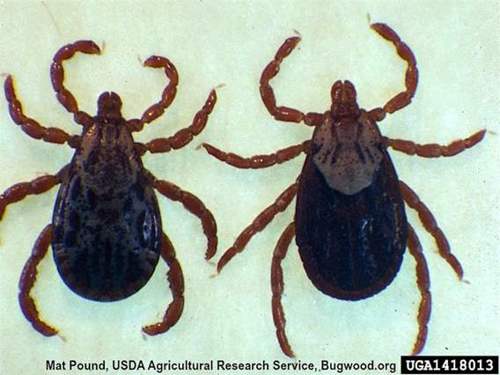
Ticks are tiny animals. They look like spiders because they have eight legs. Ticks live in grass, bushes, and forests. They wait for animals or people to walk by. Then, they climb on them and bite. They drink blood to live and grow.
Credit: www.pestworldforkids.org
Why Do Ticks Need Blood?
Ticks cannot live without blood for long. Blood gives them food. It helps ticks grow bigger and lay eggs. Without blood, ticks do not get energy. They become weak and may die. Blood is very important for ticks.
How Long Can Ticks Live Without Blood?
The time ticks live without blood changes. It depends on many things:
- Tick species
- Life stage of the tick
- Temperature and weather
- Where the tick lives
Ticks have four life stages: egg, larva, nymph, and adult. Each stage needs blood to move to the next. Let’s look at how long ticks can survive without blood in each stage.
Egg Stage
Ticks start as eggs. They do not need blood now. Eggs stay safe in soil or leaves. The mother tick lays many eggs at once. Eggs hatch into larvae in a few weeks. Eggs can live without blood because they do not eat.
Larva Stage
Larvae are tiny ticks with six legs. After hatching, they must find blood soon. Larvae need blood to grow into nymphs. They can live without blood for about 3 to 6 months. If they do not find blood, they die.
Nymph Stage
Nymphs are bigger than larvae. They have eight legs now. Nymphs need blood to become adults. They can survive without blood for 6 months to 1 year. This time changes with weather. Warm weather makes them use energy faster.
Adult Stage
Adult ticks are the biggest. They need blood to lay eggs. Female ticks need a big blood meal. Males also feed but less. Adult ticks can live without blood for 1 to 2 years. Some can survive even longer if conditions are good.
What Affects Tick Survival Without Blood?
Ticks do not live the same time everywhere. Many things change how long they survive without blood.
Temperature
Ticks like warm weather. In cold weather, they slow down. Cold weather helps ticks survive longer without blood. In hot weather, ticks need blood faster. They use energy quickly and get weak.
Humidity
Ticks need moisture in the air. Dry air hurts ticks. They can dry out and die. High humidity helps ticks survive longer. They stay active and wait for blood.
Species Of Tick
Different ticks live different times without blood. Some ticks are tougher. Others need blood more often. For example, the deer tick can live many months without blood. The dog tick may need blood sooner.
Why Is Knowing Tick Survival Important?
Knowing how long ticks live without blood helps people. It helps in many ways:
- Control tick numbers
- Prevent tick bites
- Reduce diseases from ticks
- Plan when to check for ticks
Ticks can carry diseases. Lyme disease is one example. The longer a tick stays on you, the higher risk of disease. Knowing tick behavior helps protect yourself and pets.

Credit: www.mosquito-authority.com
Where Do Ticks Hide When They Do Not Have Blood?
Ticks look for good places to wait. They hide in cool, wet places. These include:
- Grass and leaves
- Under bushes
- Tree bark
- Animal homes
Ticks stay still and wait. They save energy until they find a host to feed on.
How Do Ticks Find Blood?
Ticks have special senses. They feel heat, smell carbon dioxide, and sense movement. These help ticks find animals or people to bite. When a host passes by, ticks climb on quickly.
What Happens After a Tick Bites?
Ticks attach their mouth to skin. They bite and drink blood slowly. This can take hours or days. After feeding, ticks drop off. They rest and grow before the next stage.
How to Protect Yourself from Ticks
Ticks can be dangerous. Protect yourself using simple steps:
- Wear long clothes in tick areas
- Use tick repellent on skin and clothes
- Check your body after being outside
- Remove ticks quickly if found
- Keep grass and bushes trimmed
Removing a Tick Safely
If you find a tick on your skin, remove it fast. Use fine tweezers. Grab the tick close to the skin. Pull it out slowly and steadily. Do not squeeze the tick’s body. Clean the bite area with soap and water.
Summary Table: Tick Survival Without Blood
| Life Stage | Survival Without Blood | Notes |
|---|---|---|
| Egg | Weeks (until hatching) | Does not need blood |
| Larva | 3 to 6 months | Needs blood to become nymph |
| Nymph | 6 months to 1 year | Needs blood to become adult |
| Adult | 1 to 2 years or more | Needs blood to lay eggs |
Final Thoughts
Ticks are tough creatures. They can live many months without blood. But they always need blood to grow and have babies. Warm and wet places help ticks survive longer. Knowing this helps us stay safe. Always check for ticks after being outside. Use simple ways to avoid tick bites. This keeps you and your family healthy.