Ticks are small bugs that can cause big problems. They live by biting animals or people. But what if a tick does not find a host? How long can it live without one? This question is important to know. It helps us understand ticks better and keep safe.
What Are Ticks?
Ticks are tiny creatures. They look like spiders. They have eight legs. Ticks feed on blood. They need blood to grow and live. They usually bite animals like deer, dogs, or birds. Sometimes, they bite humans too.
There are many types of ticks. Some live in forests. Others live in grass or bushes. Ticks wait for a host to pass by. When a host comes close, the tick jumps on it.
Why Do Ticks Need a Host?
Ticks cannot live without blood for a long time. Blood gives them food and energy. Without a host, they cannot grow or lay eggs. They need blood to change from one stage to another.
Ticks have four life stages:
- Egg
- Larva (tiny tick with six legs)
- Nymph (small tick with eight legs)
- Adult
At each stage, ticks need to feed on a host. After feeding, they drop off and change to the next stage.
How Long Can Ticks Live Without a Host?
The time ticks live without a host depends on several things. These include the tick’s species, age, and environment.
Some ticks can live a few days without feeding. Others can survive for months or even years. Most ticks wait patiently for a host to come near.
Ticks Can Survive For Months
Many common ticks can live for several months without a host. For example, the black-legged tick, also called the deer tick, can live up to two years without feeding. This is because they have slow metabolisms. They use very little energy while waiting.
Other ticks, like the dog tick, survive a shorter time without feeding. They may live for a few months only.
Environmental Factors Affect Tick Survival
Temperature and humidity are important for ticks. Ticks need moisture to live. If it is too dry, ticks can die quickly. Too much heat can also harm them.
In cool and wet places, ticks survive longer. In dry or hot places, they die faster.
Different Life Stages Live Different Times Without A Host
Larvae need to find a host faster. They are small and weak. They might live only a few weeks without feeding.
Nymphs and adults can live much longer. They store more energy. This helps them wait longer for a host.

Credit: www.mosquito-authority.com
Summary Table: Tick Survival Time Without a Host
| Tick Type | Life Stage | Survival Time Without Host |
|---|---|---|
| Black-legged Tick (Deer Tick) | Larva | Weeks |
| Black-legged Tick (Deer Tick) | Nymph | Months to 1 Year |
| Black-legged Tick (Deer Tick) | Adult | Up to 2 Years |
| Dog Tick | Larva | Few Weeks |
| Dog Tick | Adult | Few Months |
How Do Ticks Find Hosts?
Ticks do not fly or jump high. They climb on grass or leaves. When an animal passes by, ticks grab on. They sense heat, breath, and movement.
Ticks wait in a pose called “questing.” They hold on to a plant with their legs. The other legs reach out for a host.
Why Is Knowing Tick Survival Important?
Knowing how long ticks live without a host helps us fight them. It tells us how long ticks can stay in an area. This helps in cleaning and prevention.
If ticks can live many months without feeding, they stay dangerous longer. So, we must be careful all year round.
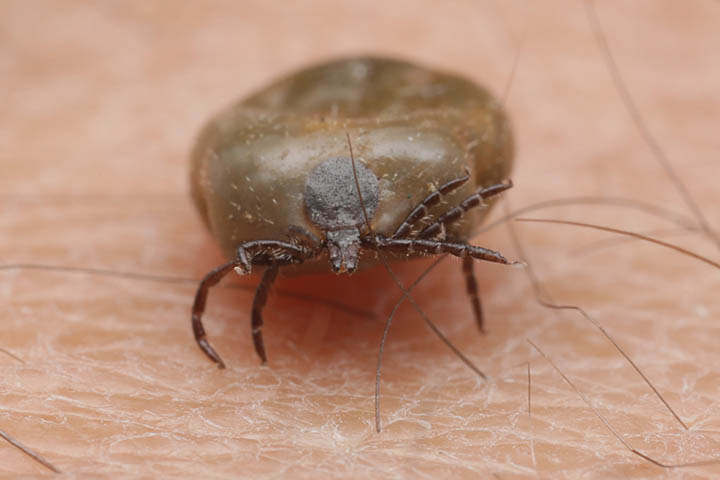
Credit: www.pestworldforkids.org
How to Protect Yourself from Ticks?
Here are simple ways to avoid ticks:
- Wear long sleeves and pants in grassy areas.
- Use tick repellents on skin and clothes.
- Check your body and pets after being outside.
- Remove ticks quickly if found.
- Keep grass and bushes trimmed in your yard.
Removing a Tick Safely
If you find a tick on your skin, remove it carefully:
- Use fine-tipped tweezers.
- Grab the tick close to your skin.
- Pull it straight out slowly and steadily.
- Clean the bite area with soap and water.
Do not squeeze or crush the tick. Do not use heat or chemicals to remove it.
Conclusion
Ticks can live from a few days to years without a host. This depends on their type, life stage, and environment. They wait quietly for a host to feed on. Knowing this helps us stay safe.
Always protect yourself when outside. Check for ticks often. Remove ticks properly if found. Being careful can stop tick bites and the diseases they carry.