Bed bugs are tiny insects that can cause big problems. They hide in beds, sofas, and cracks. People worry about how fast bed bugs can grow. One important question is: how often do bed bugs lay eggs? This article will explain this in simple words. We will learn about bed bugs’ life cycle, egg-laying habits, and what this means for you.
What Are Bed Bugs?
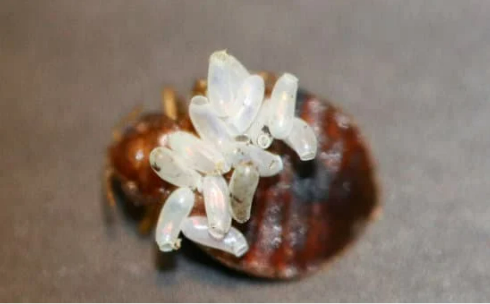
Bed bugs are small bugs that eat blood. They usually bite people at night when they sleep. These bugs are about the size of an apple seed. They are brownish and flat. Bed bugs do not fly or jump. They crawl very fast to find a person to bite.
Credit: naturesmace.com
Why Do Bed Bugs Lay Eggs?
Like all animals, bed bugs need babies to keep living. They lay eggs to make new bed bugs. Each female bed bug can lay many eggs. More eggs mean more bed bugs.
How Often Do Bed Bugs Lay Eggs?
Bed bugs can lay eggs many times during their life. A female bed bug lays eggs after she eats blood. She needs blood to produce eggs. Usually, she lays eggs every few days.
On average, a female bed bug lays about 1 to 5 eggs every day. This can change depending on the temperature and food. If it is warm and she has fresh blood, she lays eggs more often.
In one week, a female can lay about 35 eggs. That is a lot! Over her life, she can lay 200 to 500 eggs. This shows why bed bugs can grow fast in a home.
How Long Does It Take for Bed Bug Eggs to Hatch?
After the eggs are laid, they do not hatch right away. It takes time for baby bed bugs to come out. Normally, bed bug eggs hatch in about 6 to 10 days. This depends on the temperature.
Warmer rooms make the eggs hatch faster. Cooler rooms slow down the hatching. When the eggs hatch, baby bed bugs are called nymphs. They look like small adults but are lighter in color.
Bed Bug Life Cycle
Understanding how bed bugs grow helps us control them. Their life cycle has four main stages:
- Egg: Tiny, white, and hard to see.
- Nymph: Baby bed bugs that need blood to grow.
- Adult: Fully grown and ready to lay eggs.
- Reproduction: Adults mate and females lay eggs.
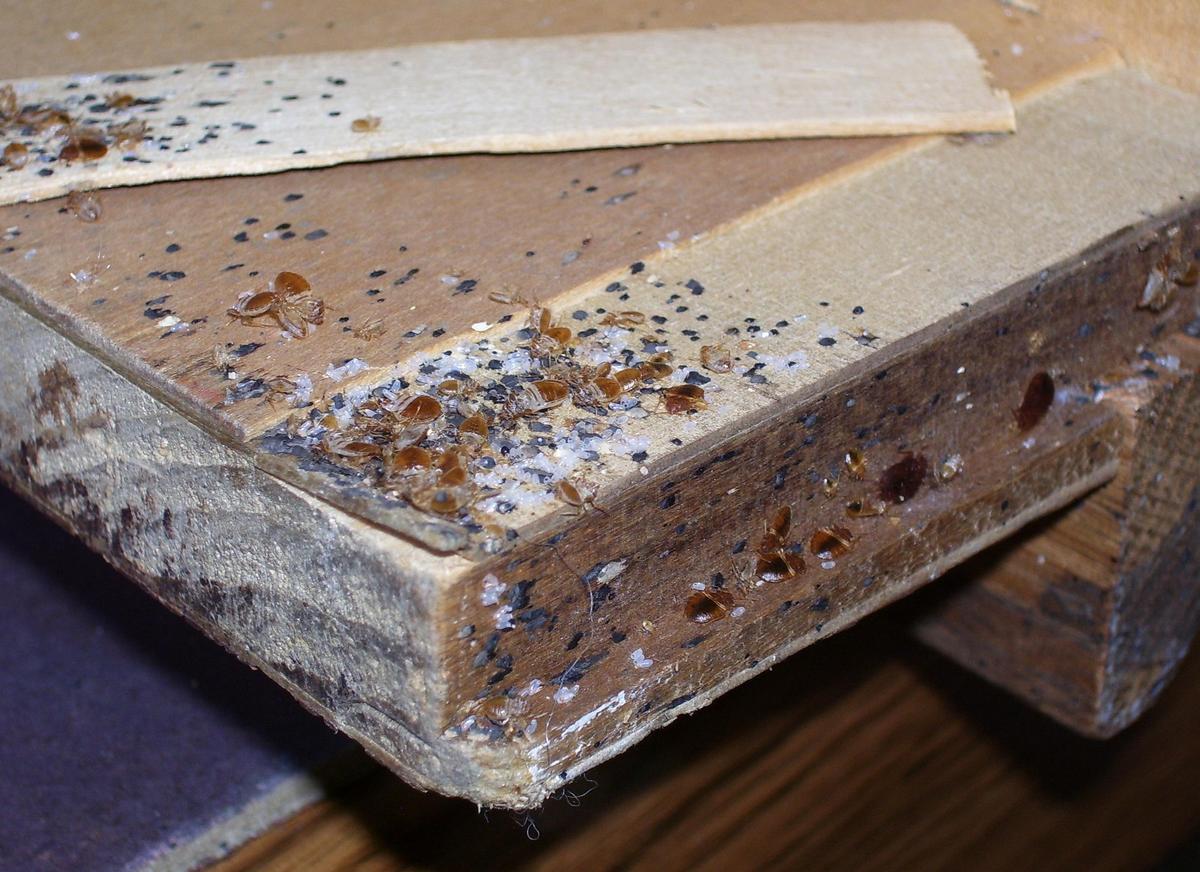
The whole cycle can take about 4 to 5 weeks in warm places. In cold places, it can take longer.
Credit: www.orkin.com
Factors That Affect Egg Laying
Not all bed bugs lay eggs at the same speed. Some things change how often they lay eggs:
| Factor | Effect on Egg Laying |
|---|---|
| Temperature | Warmer temperatures increase egg laying speed. |
| Availability of Blood | More blood means more eggs laid quickly. |
| Age of Bed Bug | Young adults lay more eggs than older ones. |
| Humidity | Moderate humidity supports better egg laying. |
Why Is It Important to Know How Often Bed Bugs Lay Eggs?
Knowing how often bed bugs lay eggs helps in stopping them. If you know they lay many eggs fast, you act quickly. Bed bugs multiply fast. A few bugs today can become hundreds soon.
Early action can stop bed bugs from spreading. This saves your home and peace of mind. If you wait, the problem gets bigger and harder to fix.
How to Spot Bed Bug Eggs
Bed bug eggs are very small and white. They look like tiny grains of rice. Eggs stick to surfaces like mattress seams or cracks. You may need a magnifying glass to see them.
Eggs are often found near where bed bugs hide. Check bed frames, furniture, and baseboards carefully.
What Happens After Eggs Hatch?
After hatching, baby bed bugs start to search for blood. They must feed to grow and change stages. Each stage needs a blood meal.
As they grow, nymphs shed their skin several times. After five molts, they become adults. Then, the cycle starts again with egg laying.
How Long Do Bed Bugs Live?
Adult bed bugs live for about 4 to 6 months. This depends on food and temperature. During this time, females lay many eggs. So, even a few bugs can cause a big problem.
Tips to Control Bed Bug Eggs
Stopping bed bug eggs is key to fighting infestations. Here are some simple tips to help:
- Wash bedding and clothes in hot water.
- Use a vacuum to clean cracks and corners.
- Seal cracks and crevices in walls and furniture.
- Use bed bug-proof mattress covers.
- Keep your home clean and clutter-free.
If you find many bed bugs or eggs, consider professional help. They know how to treat and prevent bed bugs well.
Summary
Bed bugs lay eggs often. A female can lay 1 to 5 eggs every day. Eggs hatch in about a week. Warm and well-fed bed bugs lay eggs faster. This causes fast growth of bed bug populations.
Knowing this helps you act quickly. Early action can stop bed bugs from spreading. Check your home carefully for eggs and bugs. Clean well and take steps to control them.
Bed bugs are tough, but understanding their egg-laying helps. You can protect your home and family from these pests.