You might not notice bed bugs right away, but they can quickly turn your peaceful sleep into a nightmare. These tiny pests hide deep in your mattress, making them hard to spot.
If you want to protect yourself and your home, knowing how to check for bed bugs on your mattress is crucial. You’ll learn simple and effective steps to find these unwelcome guests before they multiply. Keep reading to take control and sleep worry-free tonight.
Signs Of Bed Bugs
Bed bugs are tiny pests that hide in mattresses and cause discomfort. Detecting their presence early can stop a bigger problem. Recognizing signs helps protect your home and health. Here are key indicators to check on your mattress and skin.
Visual Clues On Mattresses
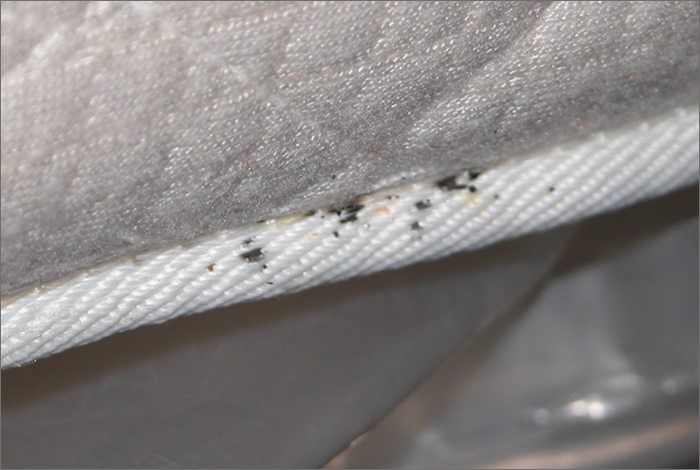
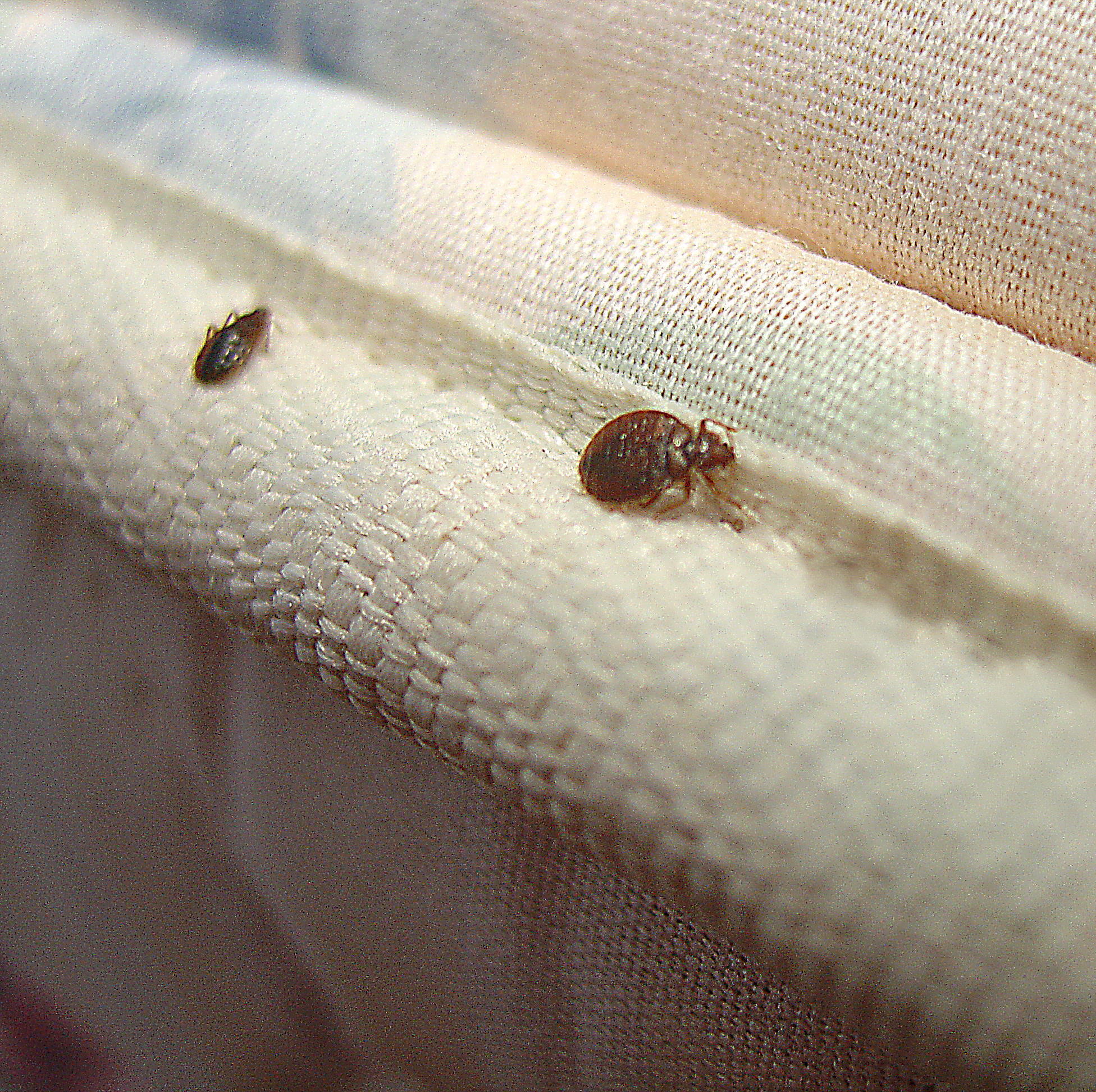
Look closely at mattress seams and edges. Small reddish-brown spots appear from bed bug droppings. Tiny eggs or shed skins may also be visible. Live bugs are small, flat, and oval-shaped. They hide in cracks, folds, and tags.
Bite Marks On Skin
Bites often cause red, itchy spots on the skin. They usually appear in lines or clusters. Areas exposed during sleep, like arms and neck, show bites first. Some people may not react, but many feel irritation.
Foul Odor Detection
A musty, sweet smell can come from bed bugs. This odor is stronger in heavy infestations. It comes from scent glands on the bugs. Notice this smell near the mattress or bed frame.
Preparing For Inspection
Preparing for inspection is the first step to find bed bugs on your mattress. A careful check helps catch bugs early. This can stop them from spreading in your home. Proper preparation makes the inspection easier and more effective.
Gathering Necessary Tools
Start by collecting tools you need. A flashlight helps see small bugs and eggs. Use a magnifying glass to check tiny spots closely. Have a flat edge like a credit card to lift mattress seams. Gloves keep your hands clean and safe.
Choosing The Right Time
Pick a time when you have no rush. Bed bugs are active at night, but daylight helps spot them. Inspect your mattress in the early evening or morning. This gives enough light and quiet to focus well.
Ensuring Proper Lighting
Good light is key to spotting bed bugs. Use a bright flashlight or lamp to shine inside mattress seams. Avoid dim rooms or shadows that hide bugs. Natural daylight also works well if you can open windows.
Inspecting The Mattress
Inspecting the mattress is the first step to find bed bugs. These small pests hide in dark, tight spaces. A careful check helps catch them early. Focus on parts of the mattress where bugs like to hide. Use a bright light and a magnifying glass for a better view. Pay close attention to every area to avoid missing any signs.
Checking Seams And Edges
Bed bugs often hide in seams and edges. These narrow spaces offer good shelter. Run your fingers along the mattress seams. Look for small dark spots or tiny bugs. Check the piping around the mattress edges. Look for any blood stains or shed skins. These signs can indicate a bed bug presence.
Examining Mattress Tags And Labels
Tags and labels can hide bed bugs well. Carefully pull back or lift tags. Look behind and under them. Bed bugs can cling to fabric in these areas. Use a flashlight to see clearly. Watch for live bugs, eggs, or dark spots. These clues show an infestation.
Looking Underneath The Mattress
Don’t forget to check underneath the mattress. Bed bugs like dark, quiet places. Lift the mattress and inspect the bottom side. Look closely at corners and crevices. Use a flashlight to spot any bugs or stains. Be thorough to catch hidden bed bugs early.

Credit: mandmpestcontrol.com
Inspecting Other Furniture
Bed bugs hide in many places beyond the mattress. Checking other furniture in your bedroom is very important. These pests like dark, tight spaces close to your bed. They can live in bed frames, headboards, and even nearby items. Thorough inspection helps find them early and stop their spread.
Bed Frame And Headboard
Bed bugs often hide in cracks of bed frames and headboards. Use a flashlight to see dark corners well. Look for small rust-colored spots or tiny bugs. Pay close attention to screws, joints, and any loose parts. These areas provide safe hiding spots for bed bugs.
Nearby Upholstered Items
Couches, chairs, and ottomans near your bed can also harbor bed bugs. Check seams, folds, and under cushions carefully. Bed bugs can hide inside fabric and stuffing. Remove cushions and inspect every part of the furniture. This helps catch them before they spread further.
Curtains And Carpets
Bed bugs may hide in curtains and carpets close to your bed. Look along edges and folds of curtains for bugs or spots. Check carpet edges and under rugs as well. These places offer dark and quiet spots. Inspecting here helps find bed bugs hiding out of sight.
Using Bed Bug Detection Tools
Using bed bug detection tools helps find these pests early. Tools make the inspection easier and more accurate. They help spot bugs that are small and hard to see. These tools also reduce stress during the check. Choose the right tool for your needs and budget.
Bed Bug Interceptors
Bed bug interceptors are small traps placed under bed legs. They catch bugs trying to climb up or down. These traps show if bugs are near your mattress. Interceptors are simple to use and need no chemicals. Check them regularly to see if bugs appear.
Flashlights And Magnifying Glasses
A flashlight helps light up dark mattress seams and corners. Bed bugs hide in cracks that are hard to see. A magnifying glass makes tiny bugs and eggs clearer. Use both tools together for a better search. Take your time and check slowly.
Professional Detection Devices
Professionals use special devices to find bed bugs. These include heat sensors and electronic monitors. These tools detect bugs by sensing heat or movement. They are more precise than simple home tools. Hiring experts with these devices ensures a thorough check.
Credit: www.unbugmepestcontrol.com
Preventing Future Infestations
Stopping bed bugs before they spread is key to keeping your home safe. Taking steps to prevent future infestations protects your mattress and your health. Simple habits can make a big difference in avoiding bed bug problems.
Regular Mattress Cleaning
Cleaning your mattress often helps remove bed bugs and eggs. Use a vacuum with a strong suction on all mattress surfaces. Pay close attention to seams and edges where bugs hide. Washing bedding weekly in hot water also kills bed bugs. Dry the sheets and mattress covers on high heat to destroy any pests.
Encase Mattresses And Pillows
Mattress and pillow encasements trap any bed bugs inside. This prevents them from feeding and stops new bugs from entering. Choose encasements made from tightly woven fabric with zipper locks. Keep the encasements sealed at all times for best protection.
Minimizing Clutter
Clutter gives bed bugs many places to hide. Keep your bedroom tidy and clear of piles of clothes or papers. Store items in sealed containers to reduce hiding spots. A clean room makes it easier to spot bed bugs early.
Credit: www.orkin.com
Frequently Asked Questions
How Do I Identify Bed Bugs On My Mattress?
Look for small reddish-brown bugs, about the size of an apple seed. Check mattress seams, tags, and crevices for live bugs or eggs. Dark spots or blood stains on sheets also indicate bed bugs. Use a flashlight for better visibility during inspection.
What Are Common Signs Of Bed Bugs On Mattresses?
Common signs include tiny blood spots, dark fecal stains, and shed skins. You may also notice a sweet, musty odor. Bites on your skin, especially in clusters, suggest bed bug presence. Early detection prevents infestations and extensive damage.
Can Bed Bugs Hide Inside Mattress Seams?
Yes, mattress seams provide perfect hiding spots for bed bugs. They prefer tight, dark spaces close to where humans sleep. Inspect all seams carefully using a magnifying glass. Regularly checking these spots helps catch infestations early.
How Often Should I Check My Mattress For Bed Bugs?
Check your mattress at least once a month, especially after travel. Frequent inspections help catch bed bugs before they spread. Also, inspect after purchasing used furniture. Early action reduces the risk of a full infestation.
Conclusion
Checking your mattress for bed bugs helps protect your home and health. Look carefully in seams, corners, and under tags for small bugs or dark spots. Early detection makes removal easier and stops bugs from spreading. Regular checks keep your sleeping area safe and clean.
Take action quickly if you find signs of bed bugs. Staying alert helps you sleep better and feel comfortable every night. Simple steps can prevent bigger problems later. Keep your mattress bug-free with regular inspections and good habits.