Have you ever felt tiny bites after sitting on your couch and wondered if bed bugs might be the cause? Finding bed bugs on your couch can be unsettling, but catching them early is key to stopping an infestation.
You don’t have to guess or worry endlessly. In this guide, you’ll learn simple, effective steps to check your couch for bed bugs quickly and thoroughly. Keep reading to protect your home and peace of mind before these pests have a chance to take over.

Credit: bedbugsos.ca
Signs Of Bed Bugs On Couch
Bed bugs hide well and cause discomfort. Spotting signs early helps stop their spread. Know what to check on your couch. Look closely for these clear signs.
Visible Bugs And Eggs
Adult bed bugs are small, brown, and flat. They hide in couch seams and cracks. Eggs are tiny, white, and hard to see. Spotting bugs or eggs means an infestation.
Rusty Or Reddish Stains
These stains come from crushed bugs or their blood. Check couch cushions and fabric carefully. The stains often look like small spots or smears.
Dark Spots And Fecal Matter
Bed bug droppings leave dark, round spots. They appear on fabric or wood surfaces. These spots may look like black pepper grains. Finding them shows bugs have been feeding.
Musty Odor
Bed bugs give off a strong, sweet, musty smell. It comes from their scent glands. The odor is hard to ignore in heavy infestations. A strange smell near your couch is a warning.
Common Hiding Spots On Couch
Bed bugs hide well on couches. These tiny pests prefer dark, tight spaces close to where people rest. Knowing their common hiding spots helps find them fast. Check these areas carefully to spot any signs.
Seams And Crevices
Seams and crevices are prime spots for bed bugs. These small cracks form natural hiding places. Bugs squeeze into seams between fabric pieces. They stay hidden during the day in these narrow gaps.
Under Cushions
Look under couch cushions for bed bugs. Bugs hide under cushions for warmth and easy feeding. Check both sides of each cushion. Remove cushions and inspect the surface below.
Inside Frame And Joints
The couch frame and joints hide bed bugs well. Bugs crawl into wooden or metal frame cracks. Joints where parts connect offer tight spaces. Use a flashlight to see inside these areas.
Behind Cushions And Skirts
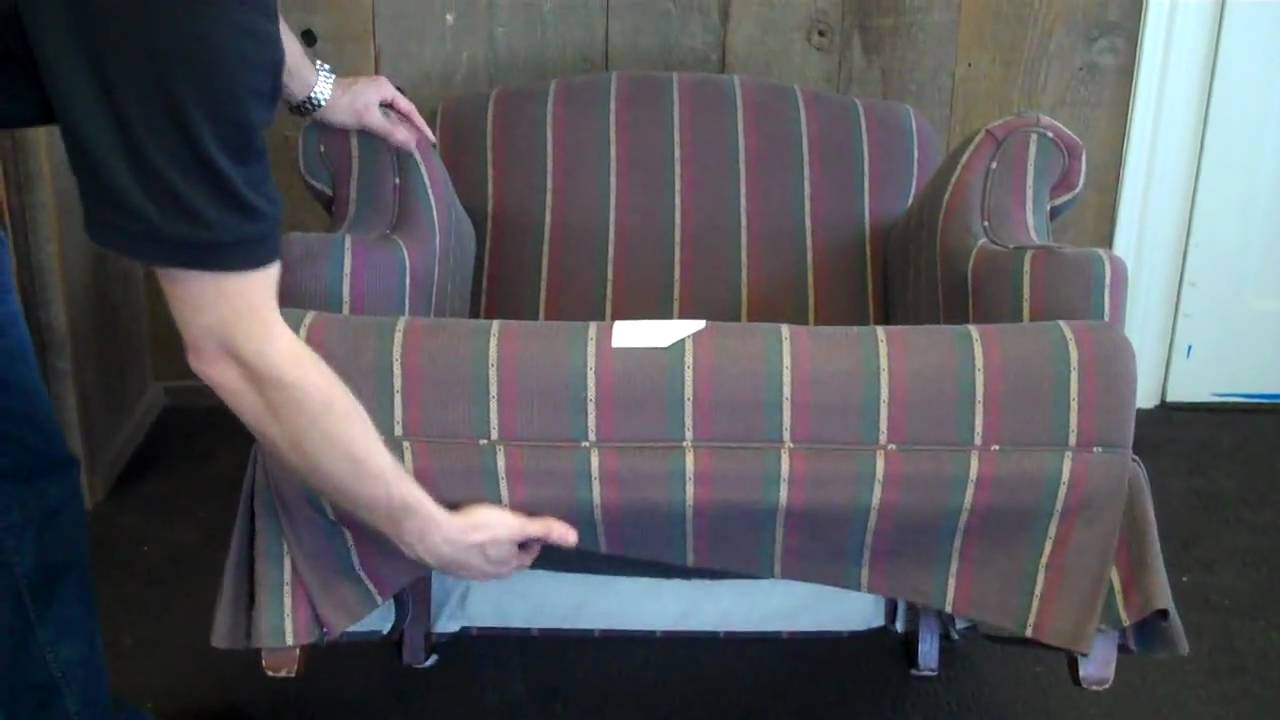
Behind cushions and skirts is another hiding place. Bed bugs avoid light and prefer these dark spots. Pull back cushions and fabric skirts. Look closely for small bugs or dark spots.
Tools To Inspect For Bed Bugs
Checking your couch for bed bugs needs the right tools. These tools help find bugs hiding deep in cushions and cracks. Using proper tools makes the inspection easier and more accurate.
Gather these tools before you start. They help spot even the smallest bed bugs and their eggs.
Flashlight And Magnifying Glass
A bright flashlight shines light into dark spots. Bed bugs hide in seams, under cushions, and in folds. The flashlight helps you see these hidden places clearly.
A magnifying glass shows small bed bugs and eggs. These bugs are tiny and hard to see with the naked eye. The magnifying glass lets you check closely for signs of bugs.
Bed Bug Detection Traps
Detection traps catch bed bugs as they move. Place them near the couch legs or under cushions. These traps help confirm if bed bugs are present without tearing the couch apart.
Traps work by attracting bugs with heat or scent. They trap bugs so you can check later. This tool is useful for ongoing monitoring.
Disposable Gloves
Wear disposable gloves to protect your hands during inspection. Bed bugs can crawl on your skin or clothes. Gloves keep you safe and prevent spreading bugs to other areas.
Gloves also keep your hands clean while checking dusty or dirty couch parts. Use new gloves each time you inspect.
Vacuum Cleaner
A vacuum cleaner helps remove bed bugs and eggs from the couch. Use a vacuum with a strong suction and a hose attachment. Vacuum seams, cushions, and cracks carefully.
Empty the vacuum bag or container after cleaning. This removes bugs and stops them from escaping. The vacuum is a good tool to reduce bed bug numbers quickly.

Credit: www.reddit.com
Step-by-step Inspection Process
Checking a couch for bed bugs needs careful and clear steps. Each step helps find signs of bed bugs early. This stops them from spreading around your home. Follow this step-by-step process to inspect your couch properly.
Remove Cushions And Check Seams
Start by taking off all cushions from the couch. Look closely at the seams and edges of each cushion. Bed bugs hide in small cracks here. Use a flashlight to see better. Check for tiny dark spots or shed skins. These signs tell you bed bugs might be present.
Examine Underside And Frame
Turn cushions over and check the underside carefully. Inspect the couch frame as well. Bed bugs like to hide in wood cracks or fabric folds. Use your hands to feel for any bumps or rough areas. Small, reddish bugs or tiny eggs could appear here.
Inspect Surrounding Areas
Look around the couch area too. Check nearby carpets, baseboards, and walls. Bed bugs often spread to close places. Pay attention to any small holes or gaps where bugs can hide. Use a magnifying glass if needed.
Use Traps For Continuous Monitoring
Place bed bug traps near the couch legs and corners. These traps catch bugs moving around at night. Check traps daily for any caught bugs. This helps track if bed bugs are still present after cleaning. Replace traps as needed for ongoing protection.
Preventing Bed Bugs On Couch
Preventing bed bugs on your couch is key to keeping your home clean and comfortable. These pests can hide in small cracks and fabric folds. Taking simple steps helps stop them before they become a problem.
Regular Cleaning And Vacuuming
Clean your couch often to remove dust and bugs. Use a vacuum with a hose to reach under cushions and seams. Empty the vacuum bag or canister outside to avoid bugs spreading back inside.
Using Protective Covers
Cover your couch with special mattress or furniture covers. These covers block bed bugs from entering or hiding in the fabric. Wash the covers regularly in hot water to kill any bugs or eggs.
Avoiding Used Furniture
Buy new or trusted furniture only. Used couches may carry bed bugs from other homes. If you must buy used, check carefully for bugs, stains, or tiny dark spots before bringing it home.
Inspecting After Travel
Check your clothes and bags after trips. Bed bugs often travel from hotels or other homes. Put your bags in the bathroom or on hard floors, not on the couch. Wash clothes right away in hot water.
When To Call A Professional
Knowing when to call a professional for bed bug problems on your couch is important. Small issues might be handled alone. But big infestations need expert help. Professionals have the tools and skills to remove bed bugs safely and fully. Acting too late can make the problem worse. Here is how to decide when to get help and what to expect.
Identifying Severe Infestations
Severe infestations show many signs. You might see bed bugs crawling on the couch or nearby areas. Dark spots, which are bed bug droppings, appear on the fabric. You may notice a strong, musty odor. Bites on your skin that itch a lot can also signal a big problem. If you find many bugs or these signs, it is time to call a professional.
Choosing Pest Control Services
Pick a company with good reviews and experience in bed bug removal. Check if they use safe and effective treatments. Ask about the methods and chemicals they apply. Make sure their prices are clear with no hidden fees. A good pest control service will explain their plan and answer your questions well.
Preparing For Treatment
Before treatment, clear the area around your couch. Remove items like pillows, blankets, and toys. Wash washable fabrics in hot water. Vacuum the couch and nearby floors carefully. Follow the pest control company’s instructions closely. Proper preparation helps the treatment work better and faster.
Post-treatment Tips
After treatment, avoid sitting on the couch for a few days. Keep the area clean and dry. Continue checking for bed bugs regularly. Report any signs of bugs returning to the pest control team. Follow any advice they give for preventing new infestations. Staying alert helps keep your home bed bug-free.
Credit: www.youtube.com
Frequently Asked Questions
How Do I Identify Bed Bugs On My Couch?
Look for small reddish-brown bugs, shed skins, or tiny dark spots on couch seams. Bed bugs hide in cracks and crevices near cushions.
What Are Common Signs Of Bed Bugs On Couches?
Check for itchy bites, a musty odor, and small blood stains on cushions. These indicate possible bed bug presence.
Can Bed Bugs Live Deep Inside Couch Cushions?
Yes, bed bugs can hide deep within cushions and fabric folds, making inspection crucial.
How Often Should I Inspect My Couch For Bed Bugs?
Inspect your couch monthly, especially after travel or guests, to catch infestations early.
Conclusion
Checking your couch for bed bugs helps keep your home safe and clean. Small signs like dark spots or tiny bugs mean it’s time to act. Use a flashlight and look closely in cracks and seams. Early detection stops bugs from spreading.
Regular checks can save you from bigger problems later. Stay calm and follow simple steps for a bug-free couch. Clean and protect your space with these easy habits. Your comfort matters.