Is that ticking sound coming from your engine driving you crazy? If you’ve noticed a lifter tick, it’s more than just an annoying noise—it could be a sign your engine needs attention.
You might be wondering what’s causing it and how to fix it before it turns into a bigger problem. Don’t worry; this guide will walk you through simple, effective steps to stop that tick and keep your engine running smoothly.
Keep reading to find out exactly what you can do to silence that lifter tick for good.
Causes Of Lifter Tick
Lifter tick is a common engine noise that can worry many car owners. This ticking sound often means there is a problem in the engine’s valve system. Understanding the causes of lifter tick helps you find the right fix quickly. Several issues can make your lifters tick loudly or constantly.
Some causes relate to parts wearing out. Others involve the engine oil or valve components. Knowing these causes lets you check your engine carefully and avoid bigger damage.
Worn Hydraulic Lifters
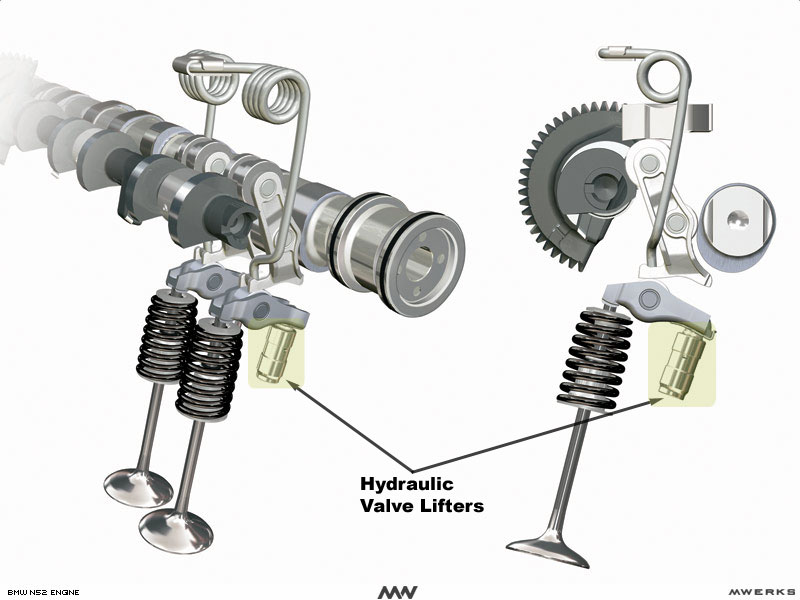
Hydraulic lifters control valve movement quietly. Over time, they can wear out or get stuck. Worn lifters lose their ability to adjust valve clearance. This makes a tapping or ticking noise when the engine runs. Replacing worn lifters often stops the tick sound.
Low Engine Oil Pressure
Oil pressure keeps lifters filled and working smoothly. Low oil pressure means lifters do not get enough oil. Without proper oil, they make ticking or tapping noises. Low oil pressure can come from leaks, bad oil pump, or dirty oil. Checking and fixing oil pressure is important to stop lifter tick.
Dirty Or Contaminated Oil
Engine oil carries dirt and metal particles away from parts. Over time, oil gets dirty or thick. Dirty oil cannot flow well through lifters. This causes lifters to tick loudly or feel rough. Changing oil and filter regularly helps keep lifters clean and quiet.
Faulty Valve Train Components
Parts like pushrods, rocker arms, and valves work with lifters. If any of these parts are damaged or loose, they cause noise. Faulty valve train components create ticking sounds similar to lifters. Inspecting and fixing these parts can stop the ticking noise.
Tools And Materials Needed
Fixing a lifter tick requires the right tools and materials. These help you work safely and effectively. Gather everything before starting the repair. It saves time and avoids frustration. Knowing what you need makes the process smooth.
Basic Hand Tools
You need simple hand tools for most lifter tick repairs. A socket set with various sizes is essential. Use a ratchet wrench for easy bolt removal. A screwdriver set helps with smaller screws and clips. Pliers come in handy for gripping and pulling parts. A torque wrench ensures bolts are tightened correctly. Keep a clean cloth to wipe parts as you work.
Engine Oil And Filter
Fresh engine oil improves lifter performance. Use oil that matches your car’s specifications. Changing the oil filter helps keep the engine clean. Old oil can cause lifters to stick or tick. New oil lubricates parts and reduces noise. Check your vehicle manual for the right oil type.
Lifter Additives
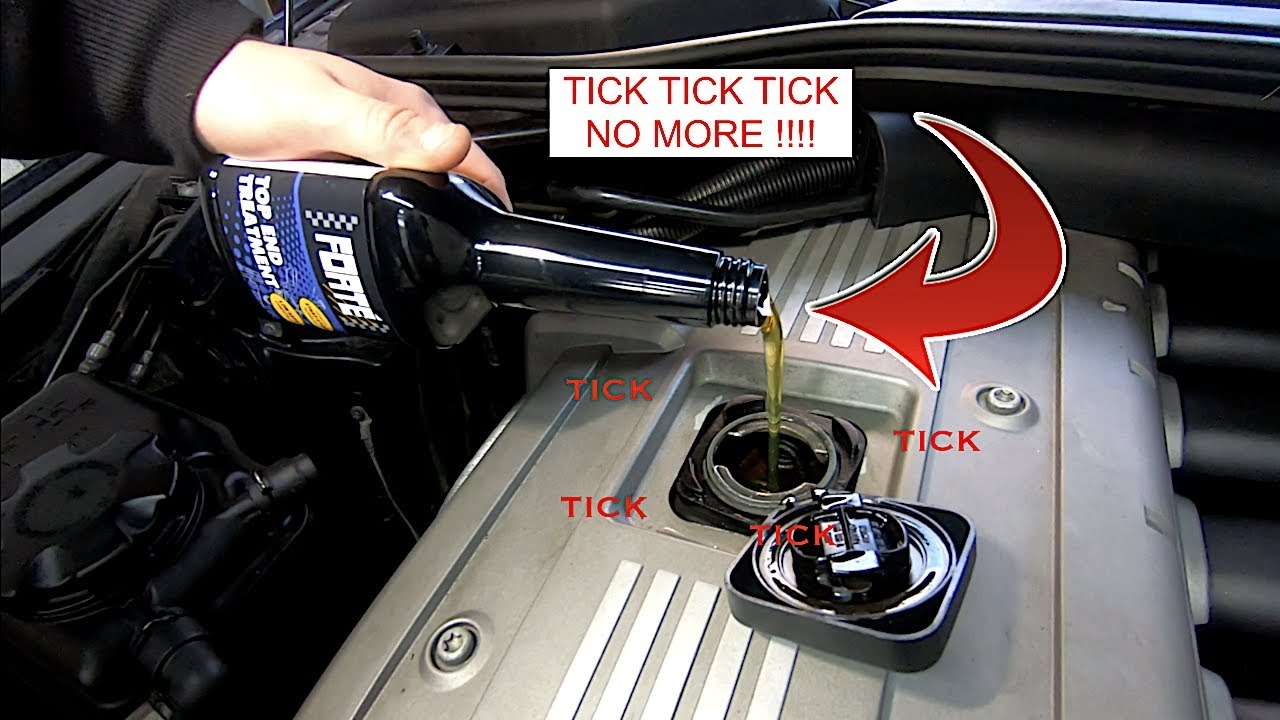
Lifter additives can quiet noisy lifters. These liquids clean and lubricate the lifter components. Pour the additive into the oil filler neck. Run the engine to let it circulate. Additives do not fix all issues but often help. Use products designed for hydraulic lifters only.
Replacement Parts
Sometimes, lifters need full replacement. Have new lifters ready if needed. Also, get new gaskets and seals. Old gaskets may leak after repair. Check valve covers and bolts for wear. Replace any damaged parts to ensure a good fix. Use parts made for your car model.
Preparing Your Vehicle
Preparing your vehicle is the first step to fix a lifter tick. Proper preparation makes the process safer and easier. It also helps avoid damage to the engine or other parts. Follow these simple steps before starting any work on your car.
Park On A Level Surface
Find a flat, stable area to park your vehicle. This prevents the car from rolling or shifting. A level surface also helps you see and reach engine parts clearly. Avoid parking on slopes or uneven ground.
Ensure Engine Is Cool
Wait until the engine is fully cool before working on it. Hot engines can cause burns and make parts harder to handle. Cooling also prevents damage to sensitive components. It is safer and more comfortable to work on a cold engine.
Gather All Tools
Collect all necessary tools before you start. Common tools include wrenches, screwdrivers, and a flashlight. Having everything ready saves time and avoids interruptions. Check your car manual for specific tool requirements.
Checking Engine Oil Level And Condition
Checking the engine oil level and condition is a key step to fix lifter tick. Oil keeps lifters lubricated and working smoothly. Low or dirty oil can cause noise and damage. This section explains how to check oil level and quality with easy steps.
Regular oil checks help avoid lifter problems. It also extends engine life and keeps it running quietly.
Locate Dipstick
Open the car hood and find the dipstick. It usually has a bright handle, often yellow or orange. The dipstick is near the engine, easy to pull out. Use a clean cloth to wipe it before checking oil.
Inspect Oil Level
Pull out the dipstick and wipe it clean. Insert it back fully, then pull it out again. Look at the oil mark on the dipstick. The oil should be between the minimum and maximum lines. Low oil means you need to add more.
Assess Oil Cleanliness
Check the oil color on the dipstick. Fresh oil is amber or light brown. Dark or black oil means it is dirty. Oil that looks thick or has particles needs changing. Clean oil helps lifters work without noise.
Changing Engine Oil And Filter
Changing the engine oil and filter is a key step to stop lifter tick noise. Fresh oil keeps engine parts smooth and quiet. Old oil can get dirty and thick, causing lifters to tick loudly. New oil and a clean filter help the engine run better and last longer.
Drain Old Oil
Start by warming the engine for a few minutes. This helps the oil drain faster. Place a container under the drain plug. Unscrew the plug carefully and let the oil flow out. Wait until all the old oil is drained.
Replace Oil Filter
Find the oil filter and remove it using a filter wrench. Some oil will spill out, so keep a rag handy. Apply a little fresh oil to the new filter’s rubber seal. Screw the new filter in place by hand until tight.
Refill With Fresh Oil
Put the drain plug back and tighten it securely. Open the oil fill cap on top of the engine. Pour the correct amount and type of new oil slowly. Check the oil level using the dipstick. Add more oil if needed, but do not overfill.
Credit: www.rtsauto.com
Using Lifter Additives
Lifter tick is a common engine noise caused by problems in the hydraulic lifters. Using lifter additives can help reduce or fix this noise. These additives clean and lubricate the lifters, improving their performance. They are easy to use and can save you a trip to the mechanic.
Choose The Right Additive
Not all lifter additives are the same. Pick one designed to clean hydraulic lifters. Check product labels and reviews. Avoid cheap options that do not target lifter noise. A good additive will dissolve sludge and improve oil flow to the lifters.
Add To Engine Oil
Pour the additive directly into the engine oil. Make sure the engine is off and cool before adding. Follow the instructions on the bottle for the correct amount. Adding too much or too little can reduce the additive’s effectiveness.
Run Engine To Distribute
Start the engine after adding the additive. Let it run at idle for 10 to 15 minutes. This helps the additive reach all lifters and engine parts. During this time, listen for any change in the lifter noise. The additive needs time to work properly.
Adjusting Valve Clearance
Adjusting valve clearance is a key step to stop lifter tick noise. Proper clearance lets valves open and close smoothly. Tight or loose valves cause tapping sounds. Checking and adjusting valve clearance helps your engine run quiet and efficient.
Locate Adjustment Screws
Start by finding the valve adjustment screws. They sit on the rocker arms or cam followers. Check your vehicle’s manual for exact locations. Clean the area to see screws clearly. Use a flashlight if needed. Mark each screw to avoid confusion later.
Measure Valve Lash
Valve lash means the gap between the valve and rocker arm. Use a feeler gauge to measure this gap. Insert the gauge between the valve stem and adjustment screw. The correct gap size depends on your engine model. Compare your measurement with the manual’s specs. Write down any valves that need adjustment.
Make Necessary Adjustments
Loosen the lock nut on the adjustment screw. Turn the screw to increase or decrease the gap. Use the feeler gauge to check the gap again. Adjust until the clearance matches the manual’s recommendation. Tighten the lock nut to hold the screw in place. Repeat for all valves needing correction. Double-check all adjustments before finishing.
Credit: www.youtube.com
Replacing Faulty Lifters
Replacing faulty lifters is a key step to stop lifter tick noise. Faulty lifters wear out and cause loud tapping sounds. Fixing them restores engine smoothness and improves performance. This process needs basic tools and careful steps. Follow these instructions to replace the lifters safely and correctly.
Remove Valve Cover
Start by disconnecting the battery. Then remove any parts blocking access to the valve cover. Use a wrench to loosen the bolts holding the valve cover. Carefully lift the valve cover off without damaging the gasket. Keep the bolts and gasket safe for reassembly.
Extract Old Lifters
Locate the lifters inside the engine head. Use a lifter removal tool or a small magnet to pull out each old lifter. Work slowly to avoid dropping lifters into the engine. Inspect the lifters for wear or damage. Dispose of them properly after removal.
Install New Lifters
Before installing, coat new lifters with engine oil. Place each lifter in its proper position inside the engine. Press them gently but firmly until they fit snugly. Double-check that all lifters sit correctly. Reinstall the valve cover and tighten bolts securely.
Preventive Maintenance Tips
Preventing lifter tick starts with regular maintenance. Small steps can stop noise and damage. Keep the engine parts clean and well-lubricated. Follow these simple tips to help your lifters work quietly and smoothly.
Regular Oil Changes
Change your oil on schedule. Old oil loses its ability to lubricate. Dirty oil causes lifters to stick and tick. Fresh oil helps keep lifters clean and quiet. Check your vehicle manual for the best oil change interval.
Use Quality Oil
Choose high-quality oil that meets your engine’s needs. Good oil flows better and protects engine parts. Avoid cheap oils that break down fast. Proper oil reduces wear on lifters and other components. Always use the oil grade recommended by the manufacturer.
Periodic Valve Inspections
Inspect your valves and lifters regularly. Worn or dirty parts cause ticking sounds. Valve inspections catch problems early before damage happens. A mechanic can adjust or clean valves to stop noise. Plan inspections according to your car’s service schedule.

Credit: www.dubizzle.com
Conclusion
Fixing a lifter tick can save your engine from damage. Regular oil changes keep parts clean and working well. Using the right oil helps reduce noise and wear. If the noise stays, check the lifters or see a mechanic. Small steps now prevent bigger problems later.
Stay patient and attentive to your car’s sounds. A quiet engine means your lifters are healthy and strong. Take care of your vehicle, and it will run smoothly longer.