Ant mounds can be a big problem in your lawn. They look messy and can hurt your grass. Ants build these mounds by digging tunnels underground. The soil they move makes small hills. These hills can make your lawn uneven and hard to walk on.
If you want a nice, green lawn, you need to get rid of these ant mounds. But how? This guide will help you understand simple and safe ways to remove ant mounds. Let’s learn step by step.
Why Do Ants Make Mounds?
Ants make mounds to live and protect their colony. The mound is like a house. It keeps the ants safe from rain and cold. Inside, ants have many rooms and tunnels. They use the tunnels to find food and take care of baby ants.
Ants like sunny and dry places. Your lawn can be a perfect spot if it is warm. The soil is soft, so it is easy for ants to dig. This is why you see many ant mounds in your lawn during warm months.
Problems Caused by Ant Mounds
Ant mounds are not just ugly. They can cause other problems too.
- Damage to Lawn: Ant mounds can kill grass around them.
- Uneven Surface: Mounds make your lawn bumpy and unsafe to walk.
- Attract Other Pests: Ants can bring other insects that harm plants.
- Insect Bites: Some ants can bite people or pets.
Because of these problems, it is good to remove ant mounds quickly.
Signs of Ant Mounds in Your Lawn
Before removing ant mounds, you should find them first. Here are signs to look for:
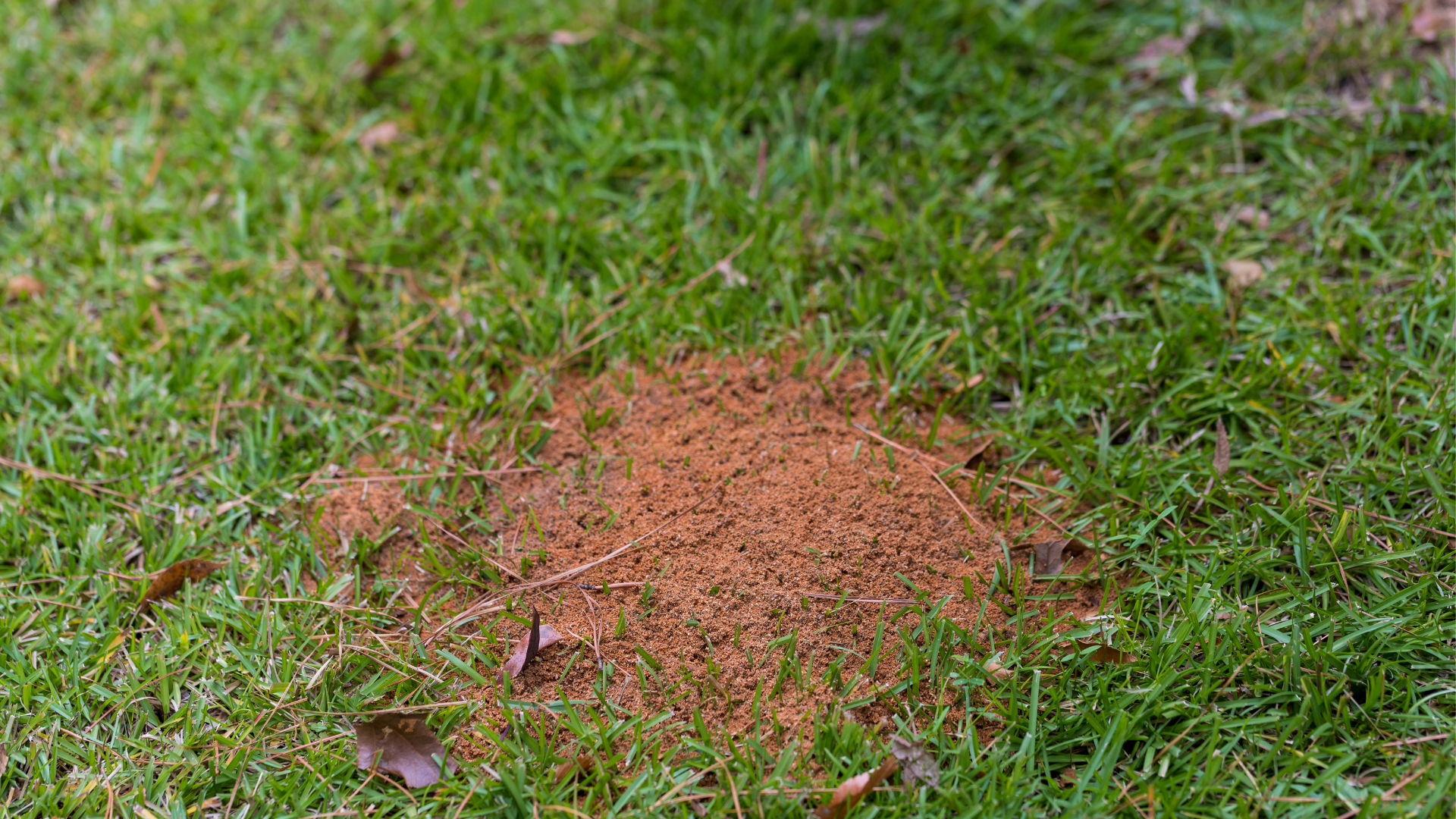
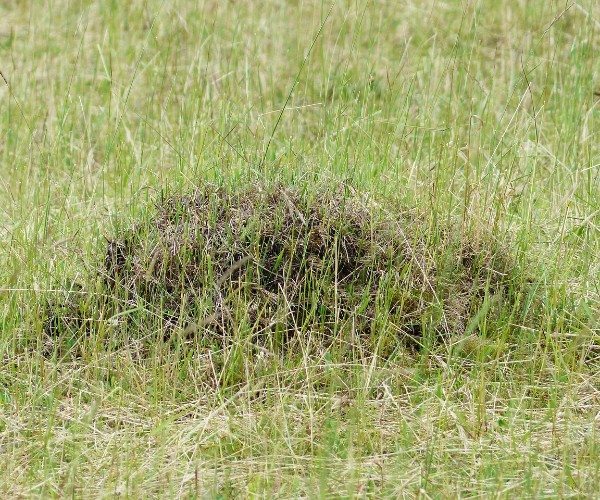
- Small Soil Hills: Look for small hills of soil on grass.
- Ant Trails: You may see ants walking in lines near mounds.
- Loose Soil: Soil near mounds feels soft and loose.
- Increased Ant Activity: More ants around your lawn than usual.
Ways to Get Rid of Ant Mounds in Lawn
There are many ways to remove ant mounds. Some methods use natural things. Others use special products from stores. Choose what is best for you and your lawn. Here are some easy methods.
1. Pour Boiling Water
Boiling water can kill ants and destroy their mounds. It is cheap and simple.
- Boil water in a pot.
- Carefully pour the hot water directly on the mound.
- Repeat after a few days if ants return.
Note: Be careful. Boiling water can harm grass nearby.
2. Use Vinegar Solution
Vinegar is natural and helps to get rid of ants.
- Mix equal parts of white vinegar and water.
- Pour the mixture on the ant mound.
- Vinegar will kill ants and stop them from coming back.
This method is safe for grass but may need many applications.
3. Spread Diatomaceous Earth
Diatomaceous earth is a powder made from tiny fossil shells.
- Sprinkle the powder around and on the ant mound.
- The powder cuts the ants’ bodies and dries them out.
- It is safe for people, pets, and plants.
Use food grade diatomaceous earth for best results.
4. Use Ant Baits
Ant baits attract ants to take poison back to their nest.
- Place ant bait near the mound or on ant trails.
- Ants carry the poison inside their colony.
- This kills many ants including the queen.
Ant baits work slowly but kill the whole colony.
5. Apply Insecticidal Dust Or Spray
Insecticides kill ants quickly. Use only if other methods fail.
- Buy insecticide made for ants.
- Apply the dust or spray on the mound and nearby soil.
- Follow all safety instructions on the label.
Keep pets and children away while using insecticides.
Credit: pestczar.com
Tips to Prevent Ant Mounds in Lawn
Stopping ants before they build mounds is best. Follow these tips:
- Keep Lawn Healthy: Water and mow your lawn regularly.
- Remove Food Sources: Don’t leave food or sugary drinks outside.
- Fill Cracks and Holes: Ants like to enter through cracks. Fill them with soil.
- Use Mulch Carefully: Mulch gives ants a place to hide. Use less mulch near the lawn.
- Keep Garden Clean: Remove fallen fruit and leaves that attract ants.
Credit: www.georgedaviesturf.co.uk
When to Call a Professional
If ant mounds are many or very large, it is hard to remove them alone. Sometimes, ants live deep underground. They may come back after you remove the mound.
In such cases, call a pest control expert. Professionals have strong tools and knowledge. They can find the queen and stop the colony.
Calling help can save your lawn faster and safer.
Summary Table: Methods to Remove Ant Mounds
| Method | How It Works | Safety | Speed |
|---|---|---|---|
| Boiling Water | Kills ants by heat | Can hurt grass | Fast |
| Vinegar Solution | Kills and repels ants | Safe for grass | Medium |
| Diatomaceous Earth | Dries and cuts ants | Safe for people and pets | Slow |
| Ant Baits | Poison carried to colony | Use carefully | Slow |
| Insecticidal Dust/Spray | Kills ants quickly | Use with caution | Fast |
Final Thoughts
Ant mounds in your lawn can cause many problems. But you do not have to live with them. Many simple and natural ways can help you get rid of ants.
Try boiling water or vinegar first. These methods are cheap and safe. If ants keep coming back, use baits or insecticides carefully. Always read labels and follow instructions.
Keep your lawn clean and healthy to stop ants from coming. If the problem is big, ask a professional for help.
With patience and care, your lawn will be free from ant mounds soon.
Frequently Asked Questions
How Do Ant Mounds Affect My Lawn’s Health?
Ant mounds can damage grass by disturbing soil and roots. They create uneven ground and may attract other pests.
What Natural Methods Remove Ant Mounds Safely?
Pouring soapy water or vinegar on mounds kills ants naturally. These methods avoid harmful chemicals and protect your lawn.
Can Boiling Water Destroy Ant Mounds Effectively?
Boiling water poured slowly on mounds can kill ants inside. Be careful to avoid burning grass near the mound.
How Long Does It Take To Get Rid Of Ant Mounds?
Ant mound removal usually takes several days to weeks. Persistence and repeated treatments help fully eliminate the colony.