Carpenter ants can cause big problems for your trees. These ants do not eat wood like termites. Instead, they dig tunnels inside wood to make their nests. This can hurt the tree and make it weak. If you see carpenter ants in your trees, you should act fast. This guide will help you get rid of carpenter ants in trees step by step.
What Are Carpenter Ants?
Carpenter ants are large ants that live in wood. They are usually black or dark red. These ants like to build nests inside trees, wooden houses, and other wooden things. They do not eat the wood, but they remove the wood to make space for their colony. This can cause damage to the tree.
Signs of Carpenter Ants in Trees
How do you know if carpenter ants are in your trees? Look for these signs:
- Rustling sounds: You may hear soft noises from inside the tree.
- Small piles of sawdust: These piles appear near the base or holes in the tree.
- Holes or tunnels in wood: Visible damage on the tree bark or trunk.
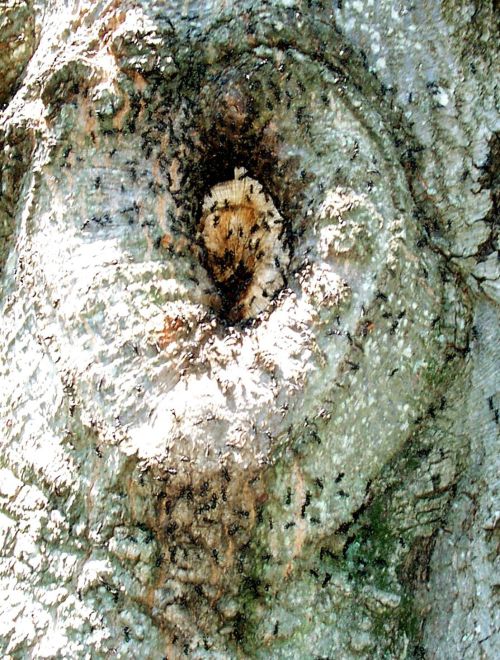
- Ant trails: Lines of ants moving on the tree or ground.
- Winged ants: Flying ants around the tree, especially in spring.
Why Should You Remove Carpenter Ants?
Carpenter ants can harm your trees. Their tunnels make the wood weak. This can cause branches to break or the tree to fall. Weak trees are also more likely to get sick. Removing carpenter ants helps keep your trees healthy and strong.
Step 1: Find the Nest
To get rid of carpenter ants, you must find their nest first. Look for the signs listed above. Check the tree trunk, branches, and base. Listen for sounds inside the tree. You may also see ants coming and going from a hole.
Step 2: Remove Dead Wood and Branches
Carpenter ants like dead or wet wood. Remove any dead branches or wood near the tree. This helps stop ants from making new nests. Use gloves and clean tools to cut dead wood carefully. Throw away the removed wood far from your trees.
Step 3: Use Natural Remedies
You can try natural ways to stop carpenter ants. Here are some ideas:
- Vinegar spray: Mix equal parts water and vinegar. Spray the tree trunk and holes. This can keep ants away.
- Soapy water: Mix water with a small amount of dish soap. Spray it on ants and their trails. Soap can kill ants on contact.
- Cinnamon or peppermint: Sprinkle cinnamon or use peppermint oil near the tree base. Ants dislike these smells.
These natural ways work best for small ant problems. For bigger problems, you may need stronger methods.
:max_bytes(150000):strip_icc()/preventing-carpenter-ant-infestations-2656282-ADD-Color-40f83dfc604a4006aaaf7cc12a37d59e.png)
Credit: www.thespruce.com
Step 4: Use Baits
Carpenter ants carry food back to their nest. You can use baits to stop them. Ant baits have poison inside. Ants take the bait to their nest. This kills the whole colony over time.
Place bait near ant trails or holes. Keep baits away from children and pets. Check baits regularly and replace them if needed.
Step 5: Apply Insecticide
If natural ways do not work, use insecticide carefully. Buy insecticide made for carpenter ants. Follow the instructions on the label. Spray the tree trunk, holes, and ant trails.
Do not spray too much. Too much insecticide can hurt the tree and other animals. Use gloves and avoid touching your face while spraying.
Step 6: Keep Your Trees Healthy
Healthy trees can fight pests better. Water your trees well, especially in dry times. Add mulch around the tree base to keep moisture. Do not hurt the tree bark when working near it.
Trim weak or dead branches regularly. This keeps the tree strong and less inviting to ants.
Step 7: Watch and Repeat
After you try to remove carpenter ants, watch the tree closely. Check for new signs of ants every week. If you see ants again, repeat the steps. Sometimes it takes time to fully get rid of ants.
Credit: www.canr.msu.edu
When to Call a Professional
If the ant problem is very large, ask for help. Professional pest control experts know how to remove carpenter ants safely. They have tools and methods that work well. If the tree is very big or close to your home, experts can keep you safe.
Summary: How to Get Rid of Carpenter Ants in Trees
| Step | Action | Reason |
|---|---|---|
| 1 | Find the nest | Locate where ants live in the tree |
| 2 | Remove dead wood | Remove places ants like to build nests |
| 3 | Use natural remedies | Keep ants away in a safe way |
| 4 | Use baits | Kill ants inside their nest |
| 5 | Apply insecticide | Stop ants when problem is big |
| 6 | Keep trees healthy | Strong trees resist ants better |
| 7 | Watch and repeat | Make sure ants do not come back |
Final Thoughts
Carpenter ants can harm your trees if left alone. Watching your trees often helps find ants early. Use the steps here to remove ants safely and well. Start with natural methods and use stronger ones if needed. Keep your trees healthy to stop ants in the future. With patience and care, you can protect your trees from carpenter ants.
Frequently Asked Questions
How Do Carpenter Ants Damage Trees?
Carpenter ants burrow into wood to build nests. This weakens the tree structure and can cause branches to fall.
What Signs Show Carpenter Ants In Trees?
Look for sawdust-like material near holes or rustling sounds inside the tree. Ant trails on the bark also indicate infestation.
Can I Use Natural Remedies To Kill Carpenter Ants?
Yes, natural options like soapy water or vinegar spray can help reduce ants. These are safe and eco-friendly choices.
Do Carpenter Ants Prefer Certain Tree Types?
Carpenter ants favor moist, decayed wood but can infest many tree types. Trees with dead or damaged wood are more vulnerable.