Are centipedes creeping around your basement and making you uneasy? You’re not alone.
These fast-moving bugs can be unsettling and hard to ignore. But the good news is, you don’t have to live with them. You’ll discover simple, effective ways to get rid of centipedes in your basement for good. By the end, you’ll feel confident taking back control of your space and keeping these pests out for good.
Keep reading—you’re just a few steps away from a centipede-free home.
Why Centipedes Invade Basements
Centipedes often invade basements to find shelter and food. Basements offer a safe place that meets their needs. Understanding why they come helps control their presence. Let’s explore the common reasons centipedes choose basements.
Common Attractants
Centipedes hunt small insects and spiders for food. Basements often have many of these pests. Moisture attracts insects, which in turn attracts centipedes. Dark and quiet spaces provide a perfect hunting ground. They prefer places where food is easy to find.
Basement Conditions They Favor
Centipedes love damp and cool environments. Basements often have high humidity and low light. Cracks and crevices in walls or floors offer hiding spots. Clutter and debris create more shelter options for them. These conditions make basements an ideal habitat.
Credit: capablegroupinc.ca
Signs Of Centipede Infestation
Centipedes in the basement can cause worry and discomfort. Knowing the signs of their presence helps in early action. Detecting an infestation early can prevent bigger problems. Watch for clear indicators in your basement space.
Visible Sightings
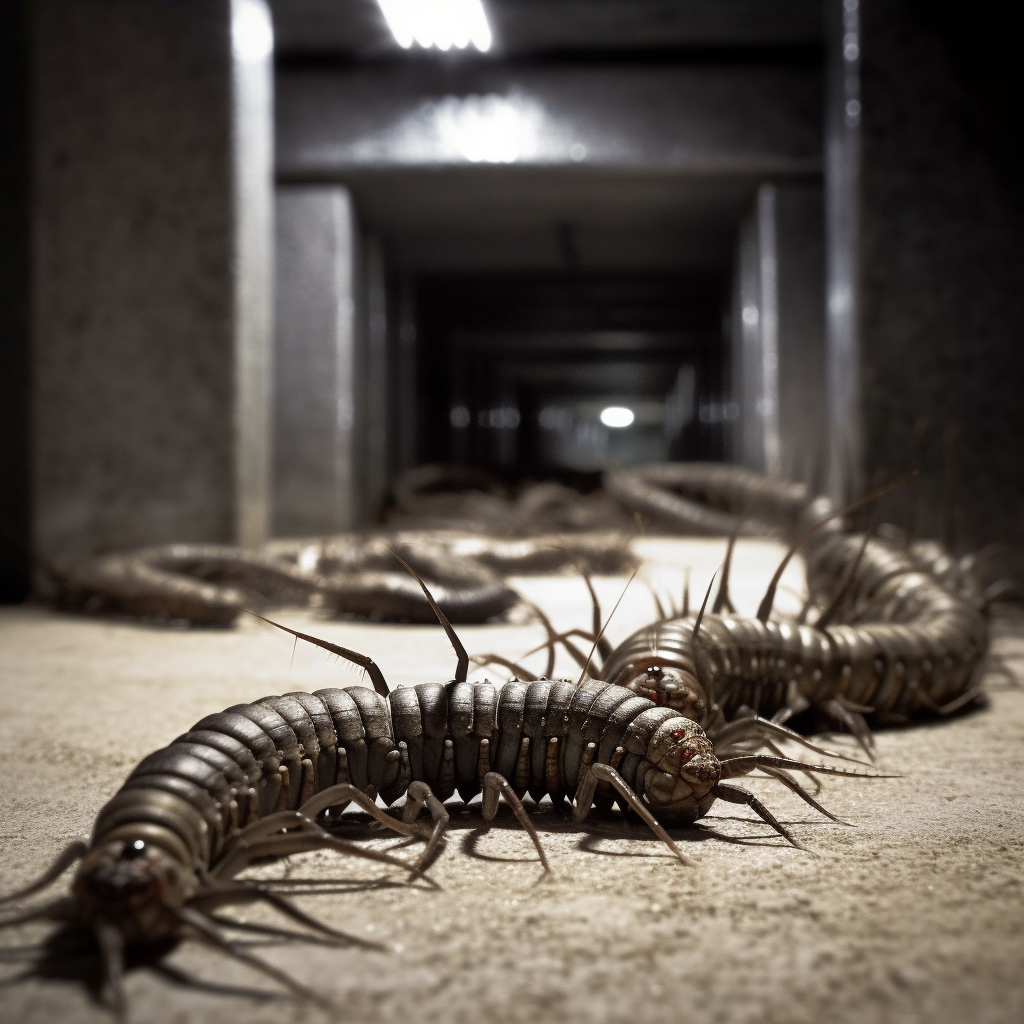
Centipedes are usually active at night. You might see them crawling on walls or floors. They move quickly and have many legs. Spotting even one centipede means there could be more. Check dark corners, cracks, and damp areas carefully.
Damage And Droppings
Centipedes do not cause much damage to things. Their droppings look like small black or brown dots. You may find these near their hiding spots. Look under furniture and near water sources. Finding droppings suggests centipedes live nearby.
Preventing Centipedes From Entering
Preventing centipedes from entering your basement is the first step to keeping them away. Stopping them at the entry points reduces the chance of an infestation. Small changes around the basement can make a big difference. Focus on sealing gaps, controlling moisture, and clearing clutter. These actions create an environment that centipedes avoid.
Seal Entry Points
Centipedes enter through cracks and holes in walls and floors. Use caulk or weather stripping to close gaps around windows and doors. Check around pipes and vents for openings and seal them tightly. Make sure screens are intact on vents and windows. A well-sealed basement stops centipedes before they get inside.
Control Moisture Levels
Centipedes thrive in damp places. Use a dehumidifier to keep basement air dry. Fix leaking pipes and drains to prevent water buildup. Ensure proper ventilation to reduce moisture. Dry basements are less inviting for centipedes and other pests.
Remove Clutter And Debris
Clutter provides hiding spots for centipedes. Keep the basement clean and organized. Remove piles of wood, cardboard, and old boxes. Clear away leaves and debris near basement doors and windows. A tidy space leaves no room for centipedes to hide or breed.
:max_bytes(150000):strip_icc()/howtogetridofmillipedesandcentipedes_round2-308b1c2d37364c62b31102667bd1c4f0.png)
Credit: www.thespruce.com
Natural Remedies To Eliminate Centipedes
Natural remedies offer safe and effective ways to remove centipedes from your basement. These methods avoid harsh chemicals and keep your home healthy. Using natural products can control centipedes while protecting your family and pets.
Essential Oils And Repellents
Essential oils like peppermint, tea tree, and eucalyptus repel centipedes. They dislike the strong smell and avoid treated areas. Mix 10-15 drops of oil with water in a spray bottle. Spray around basement corners, cracks, and entry points. Repeat every few days for best results. These oils also freshen the air and keep pests away.
Diatomaceous Earth Application
Diatomaceous earth is a natural powder made from fossilized algae. It works by drying out and killing centipedes on contact. Sprinkle a thin layer along baseboards, behind appliances, and other hiding spots. Leave it dry and undisturbed for several days. Reapply after cleaning or if it gets wet. This remedy is safe for humans and pets but deadly to centipedes.
Using Chemical Treatments Safely
Using chemical treatments to get rid of centipedes in your basement requires care. Chemicals can be effective but also harmful if not used right. Safety comes first to protect your family and pets. Follow simple steps to apply treatments safely and correctly.
Choosing The Right Pesticides
Select pesticides made for centipedes or general pest control. Look for products labeled safe for indoor use. Avoid strong chemicals that can damage surfaces or harm people. Choose low-toxicity sprays or baits. Read all labels carefully. Check active ingredients and safety warnings. Prefer products that break down quickly and do not leave heavy residues.
Proper Application Techniques
Wear gloves and a mask before applying pesticides. Keep children and pets out of the basement during and after treatment. Apply sprays only in corners, cracks, and baseboards where centipedes hide. Do not spray large open areas. Avoid overuse to prevent toxic buildup. Follow the instructions on the label for amount and frequency. Ventilate the basement well after treatment. Clean tools and wash hands after use.
Maintaining A Centipede-free Basement
Keeping your basement free of centipedes is key to a comfortable home. Regular care stops these pests from settling. A clean and dry basement makes it hard for centipedes to survive. Simple habits can reduce their presence and keep your space safe.
Regular Cleaning Routines
Clean your basement often. Remove dust, dirt, and spider webs. Vacuum corners and cracks where centipedes hide. Clear clutter to limit their shelters. Sweep floors and wipe surfaces regularly. Dispose of trash quickly and keep bins sealed. These steps reduce food and shelter for centipedes.
Monitoring And Early Detection
Check your basement for centipede signs every week. Use a flashlight to look in dark places. Watch for shed skins and small bugs. Set sticky traps near walls and corners. Early spotting helps stop infestations before they grow. Act fast to remove any centipedes found.

Credit: dominionpestcontrol.com
Conclusion
Centipedes in the basement can cause stress and discomfort. Keeping the space dry and clean helps reduce their numbers. Seal cracks and remove clutter to block their hiding spots. Use natural repellents or traps for safe control. Regular checks stop infestations before they grow.
Small steps make a big difference over time. Stay patient and consistent with these actions. Your basement can become a centipede-free zone soon.